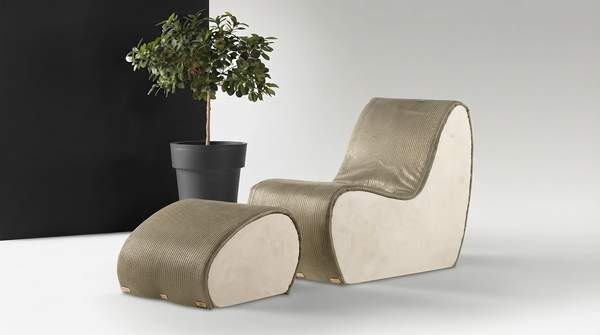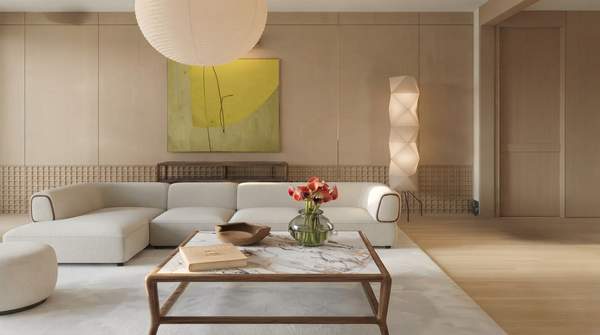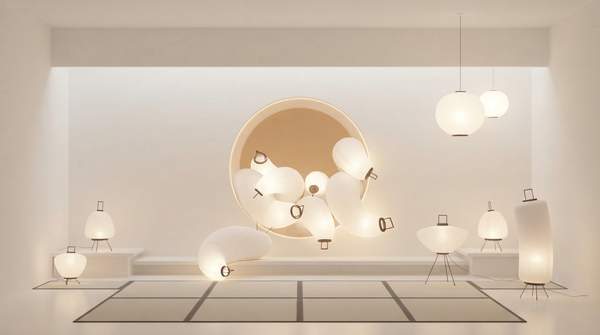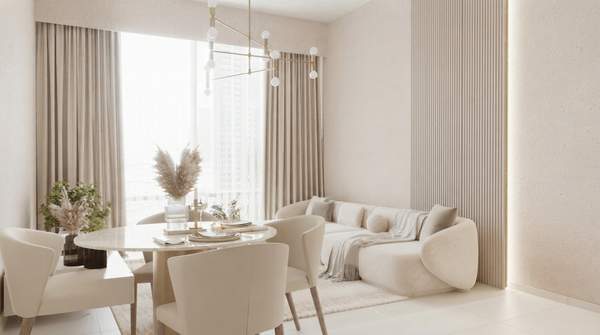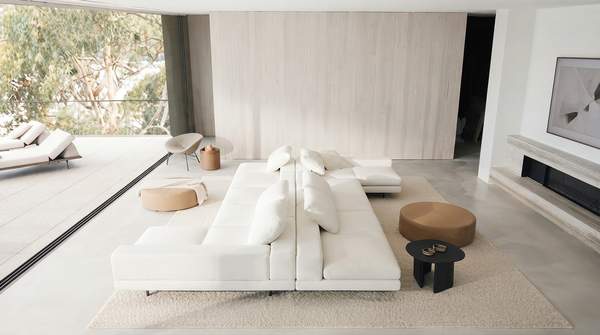
Quiet luxury in interior design is a philosophy of substance over spectacle: rooms built from natural, high-quality materials, well-crafted furniture, and deliberately edited spatial arrangements, rather than from conspicuous branding or opulent display. Design writers across the field converge on the same core tenets—understated elegance, quality craftsmanship, and timeless appeal—and, crucially, they translate those tenets into the same kinds of concrete choices: solid wood frames, natural stone, hand-woven textiles, restrained palettes, and fewer, better-placed pieces. This article turns that shared guidance into a structured framework you can use to evaluate materials, furniture, and layout decisions room by room.
Understanding Quiet Luxury: Beyond the Trend
The label is recent, but the sensibility is not. As the House of Nuances design team frames it, after years of interiors defined by visible status signals—oversized light fittings, statement wallpapers, gallery walls that announce taste—there is a genuine appetite for spaces that do not try so hard. The result is a sensibility that favors rooms that feel complete rather than curated, settled rather than styled.
What distinguishes quiet luxury from a passing trend is its emphasis on how a space is made rather than how it photographs. The Oblist's guide describes it as a philosophy to embrace rather than a trend to follow, one that prioritizes substance over spectacle and craftsmanship over conspicuous consumption. Tedi Bezna, writing for THELIFESTYLEDCO, adds a practical reason the aesthetic persists: homeowners are tired of spaces assembled from whatever was popular at the time and are actively seeking interiors that feel considered, personal, and lasting.
Core Tenets of Quiet Luxury Interior Design
Three principles recur across design commentary, and each one implies a test you can apply to a purchase or layout decision.
Understated elegance. Sophistication lies in suggestion rather than declaration. The Oblist describes environments that "whisper rather than shout their sophistication," with the mastery lying in deliberate editing—knowing what to include and, more importantly, what to leave out. Ginger Curtis of Urbanology Designs locates the style's power in subtleties: the interplay of textures, gentle contrast of hues, and delicate patterns.
Quality craftsmanship. Bezna's formulation is the most actionable: in a quiet luxury interior, what something is made of matters more than what it looks like at first glance. Solid wood frames, natural stone, hand-woven textiles, and top-grain leather hold up both physically and visually over time; they develop character, while fast furniture does not.
Timeless appeal. Pieces chosen for quality over novelty survive children, pets, seasons, and time, according to Bezna. The goal is not a room that dates itself but one whose restrained palette and enduring forms resist rapid obsolescence.