Design

Beyond the Great Room: Is Open-Concept Living Still Relevant Post-Pandemic?

The open-concept floor plan, once a symbol of modern living, is now being challenged by the realities of our post-pandemic world. This article explores why intelligent, flexible boundaries are becoming essential in home design.

LB
Luca Bianchi

April 8, 2026 · 6 min read

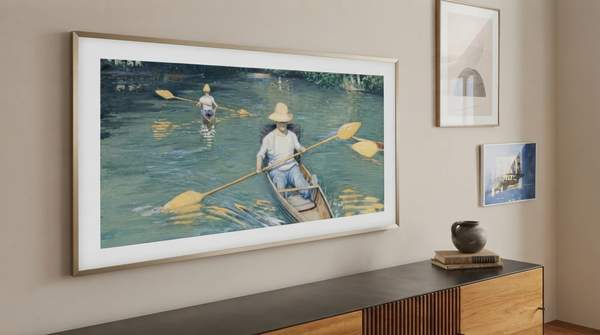
A modern living space showcasing a blend of open-concept and defined zones, with elegant room dividers, a cozy reading nook, and a dedicated workspace, reflecting post-pandemic home design trends.

The open-concept floor plan, for decades the undisputed emblem of modern domestic life, is facing a quiet but firm reckoning. Its reign, built on an ideal of seamless family togetherness, is being challenged by the complex realities of our post-pandemic world, and the question of whether open-concept living is still relevant has become a central debate in design. I believe its utility as a default layout has expired; the future of the home lies not in erasing walls, but in creating intelligent, flexible, and intentional boundaries that serve the multifaceted lives we now lead within them.

This is not merely a stylistic debate among designers and architects. The very function of our homes has been irrevocably altered. They are now our offices, our classrooms, our gyms, and our sanctuaries. This functional shift has exposed the inherent limitations of a design that prioritizes boundless space over personal autonomy. As our homes are asked to do more, the lack of separation becomes a source of friction, noise, and distraction. Furthermore, certain design choices are beginning to feel dated, a sentiment that can directly impact a property's appeal. According to a recent report from aol.com, some once-popular trends are now actively deterring prospective home buyers, placing the open concept squarely under scrutiny.

The Rise of Private Spaces and Dedicated Work Zones

The primary catalyst for this re-evaluation is the normalization of remote work and learning. The open floor plan, which has dominated interior design for over two decades according to the Tahoe Daily Tribune, was conceived for a different era. Its central premise—a unified space for cooking, dining, and relaxing—assumed that the home was primarily a place of leisure and family gathering after the workday was done. When the workday moved inside the home, the design’s critical flaw became apparent: a lack of acoustic and visual privacy.

The Tribune notes that this has become a significant challenge. A video conference in the "living area" competes with the sounds of meal preparation in the "kitchen area," while a child's online class is disrupted by a conversation happening a few feet away. There are no doors to close, no walls to buffer the sound. The single, cavernous room becomes a source of constant negotiation and compromise, undermining the focus required for deep work and the tranquility needed for genuine rest. The object speaks for itself; in this case, the object is the home, and it is speaking of a need for compartmentalization.


This need extends beyond the 9-to-5. The rise of multi-generational households, where adult children, parents, and grandparents coexist, further complicates the open-plan ideal. A recent feature in Homes & Gardens on an Austin home designed for returning grown-up children implicitly highlights this shift. The design thoughtfully provides distinct, private rooms, acknowledging that cohabitation requires both shared spaces and personal retreats. It suggests a model where family members can come together by choice, rather than being forced into constant proximity by architectural design. This renewed appreciation for defined rooms allows for distinct personalities and functions to emerge, creating a home that feels more like a collection of curated experiences than a single, monolithic space.

The Enduring Allure of Openness

To be fair, the open concept did not achieve its long-standing dominance without reason. Its benefits are tangible and visually compelling. By removing interior walls, these layouts create an immediate sense of spaciousness, making smaller homes feel larger and more grand. They allow natural light to permeate deeper into the floor plan, creating bright, airy environments that are psychologically uplifting. For families with young children, the ability to supervise play from the kitchen is a practical advantage. And for those who entertain, the easy flow between the kitchen, dining, and living areas creates a sociable, inclusive atmosphere where the host is never isolated from their guests.

These qualities—light, flow, and a sense of connection—are still deeply desirable. Proponents of the open plan would argue that the challenges of the last few years are situational and that sacrificing these aesthetic and social benefits for the sake of a home office is a short-sighted overcorrection. They might contend that the answer lies not in architectural change, but in behavioral adaptation or smaller-scale solutions like noise-canceling headphones and room dividers. The argument is that the fundamental human desire for connection and communal living, which the open concept so beautifully facilitates, should not be abandoned.

However, this perspective underestimates the permanence of the changes to our lifestyles. Remote and hybrid work are not temporary fads, and the need for a home that can gracefully accommodate multiple, simultaneous activities is now a core requirement, not a niche preference. My position is not that we should return to the cramped, disconnected rooms of the past. Instead, it is that the binary choice between "open" and "closed" is a false one. The critique is not of openness itself, but of the uninterrupted openness that leaves no room for nuance or privacy.

Alternatives to Open Concept: The Dawn of the 'Broken-Plan'

The most compelling path forward is a more sophisticated approach to spatial design, one that balances the desire for light and connection with the need for privacy and function. This is where the concept of the "broken-plan" layout comes into focus. As reported by the Tahoe Daily Tribune, designers are observing a marked increase in these nuanced floor plans.

  • Partial Walls: A half-height wall or a three-quarter wall can create a distinct boundary for a home office or reading nook without fully enclosing the space or blocking light.
  • Glass Partitions: Crittall-style or fluted glass walls and doors provide a strong acoustic barrier while preserving visual connection, allowing a parent to work in a quiet office while still keeping an eye on the main living area.
  • Sliding or Pocket Doors: These offer the ultimate flexibility, allowing a large opening to be completely closed off when privacy is needed, transforming a single large space into two distinct rooms.
  • Changes in Level: Sunken living rooms or raised kitchen-dining platforms use verticality to create psychological separation between zones within a larger open area.
  • Strategic Furnishing: Freestanding bookcases, slatted wood screens, and large area rugs can effectively anchor and define different functional areas.

This evolution in thinking is also visible on a larger scale. The recent unveiling of pre-approved designs for Accessory Dwelling Units (A.D.U.s) in New York, highlighted by The New York Times, is a powerful indicator of this societal shift. The A.D.U. is the ultimate dedicated space—a separate, self-contained unit for work, an aging parent, or a young adult. It reflects the same core desire for privacy and functional separation that is driving the move away from purely open-concept interiors. Form follows function; but feeling is equally important. These new, more thoughtful layouts not only work better, they feel better—providing a sense of order, calm, and purpose that the sprawling, undefined great room often lacks.

What This Means Going Forward

Looking ahead, I predict the monolithic great room will be viewed not as a luxury, but as a design liability. The definition of a "modern" home is being rewritten. Flexibility will be the new watchword. Homebuyers and renovators will increasingly prioritize layouts that feature "flex rooms," pocket offices, and convertible spaces that can adapt to changing needs. The homes that command the most interest will be those that demonstrate an intelligent understanding of zoning—offering spaces for togetherness alongside sanctuaries for solitude and focus.

This shift is already being reflected in emerging design preferences. A report from Realsimple.com identifies six rising home trends that underscore what people are now craving from their living environments. While the specifics vary, the underlying theme is a move toward comfort, personality, and purpose-driven design. This aligns with the renewed appreciation for cozy, character-filled rooms that offer an opportunity for unique decorative expression—something that is often diluted in a vast, multi-purpose open space.

The open-concept floor plan served a purpose for a time, reflecting a cultural desire for informality and connection. But its utility has been outstripped by the demands of contemporary life. The home is no longer a simple backdrop for family life; it is the entire stage. As such, it requires a more sophisticated design with wings, private dressing rooms, and quiet corners, not just a single, brightly lit platform. The most relevant and desirable homes of the next decade will be the ones that understand this fundamental truth, offering a graceful balance between being together and being apart.