Design

10 Interior Design Mistakes Professionals Avoid in Their Own Homes

Uncover the common interior design mistakes professionals consistently avoid in their own homes. This guide breaks down top faux pas that can compromise a space's sophistication and livability.

LB
Luca Bianchi

April 1, 2026 · 9 min read

A stylish, modern living room with a subtle design flaw, like an ill-fitting rug or mismatched lighting, illustrating common interior design mistakes professionals avoid.

This ranked guide details common interior design mistakes professionals avoid, identifying top faux pas that compromise a space's sophistication and livability. For homeowners and design enthusiasts, it cultivates a more intentional aesthetic by outlining foundational principles. Mistakes are evaluated and ranked by expert consensus on their impact on a home's core functionality, visual harmony, and long-term appeal.

Compiled from professional designers' guidance and reports in Forbes and Homes & Gardens, this list ranks mistakes by their foundational impact on a home's daily use and atmosphere.

1. Neglecting Function in Favor of Form — The Foundational Misstep

The most significant error in interior design is creating a space that is visually appealing but functionally impractical. According to a report from Forbes, experts consistently avoid neglecting function for aesthetics. This mistake prioritizes a magazine-ready look over the realities of daily life, resulting in rooms that are difficult to live in. An object, no matter how beautiful, fails if it does not serve its purpose. The principle of "form follows function" exists for a reason: a home is, first and foremost, a machine for living.
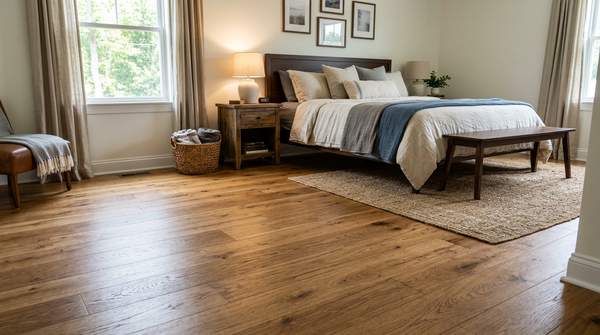
Common among new designers, this oversight stems from influence by curated images without considering flow, comfort, or utility. It ranks first because it undermines a designed space's purpose. While a purely utilitarian space can feel sterile, the goal is seamless integration: an object's beauty inherent in its utility. Success is a space that works as well as it looks.

2. Ignoring Spatial Planning — The Practical Pitfall

A close second to prioritizing form over function is the failure to properly plan a room's layout. This often manifests in simple but frustrating ways. According to Good Housekeeping, a common error is not thinking through how appliance and room doors open, which can lead to blocked storage or a cramped feeling. This mistake extends beyond utility rooms; it includes placing furniture in a way that obstructs natural pathways or failing to measure for new pieces, resulting in an awkward, ill-fitting arrangement.

Crucial for renovations or furnishing a room from scratch, this mistake ranks above aesthetic choices because a poor layout renders a space unusable, regardless of style. While over-planning risks rigidity, primary traffic patterns and functional clearances must be established first, allowing for flexibility. A well-planned room feels intuitive and effortless to navigate.

3. Improper Lighting — The Atmospheric Error

Lighting is one of the most powerful tools in a designer’s arsenal, yet it is frequently mishandled. The most common error is relying on a single, central overhead light source. This approach, as noted by design experts in a report from AOL.com, flattens a space, removes dimensionality, and can make surfaces appear dull. Another critical mistake is using light bulbs with the wrong color temperature. Keita Turner Design, for instance, aims for bulbs between 2,700 and 3,000 Kelvin to create a warm, inviting atmosphere rather than a cold, sterile one.

Layered lighting—ambient, task, and accent lights—is essential for creating mood and highlighting a room's best features, particularly for homes lacking warmth or character. While a comprehensive plan with multiple fixtures is an investment, even small changes like adding a floor lamp or swapping cool-toned bulbs for warmer ones can dramatically refine a space.

4. Following Trends Blindly — The Transient Choice

While trends can provide inspiration, adopting them without consideration for a home’s existing architecture or one's personal style is a mistake professionals avoid. Forbes reports that experts are wary of following trends just for the sake of being trendy. Similarly, Homes & Gardens warns that moving too quickly on furniture trends can lead to purchasing items that do not suit the space. With designers reportedly issuing warnings against certain kitchen trends for 2026, the temptation to be current can lead to a home that feels dated in just a few years.

This is a critical consideration for homeowners making significant investments, such as in kitchens or large furniture. The risk is a lack of longevity and a space that feels impersonal. A potential drawback of avoiding trends altogether is that a home can feel static. The professional approach is to selectively incorporate trend-forward elements as accents—through pillows, art, or smaller decor items—while keeping the foundational pieces, like sofas and cabinetry, more classic and enduring.

5. The "Too-Matching" Look — The Showroom Effect

A common misconception among amateur decorators is that everything must match perfectly. Buying a complete set of furniture from a single collection creates a space that lacks depth and personality. Experts cited by Forbes note that they avoid making everything match perfectly. A home should look curated and collected over time, reflecting the inhabitants' unique story. A room where the sofa, chairs, coffee table, and side tables are all from the same line reads more like a furniture showroom than a personal sanctuary.

This is a crucial lesson for those furnishing a first home or redecorating a room all at once. The goal is harmony, not uniformity. The challenge, however, is that mixing styles, periods, and materials requires a confident eye. For those less certain, the solution is to start with a cohesive color palette and introduce variety through texture and form, ensuring that each piece relates to the others without being identical.

6. Skipping Personal Touches — The Impersonal Space

A technically well-designed room can still feel cold and uninviting if it lacks personal elements. According to Forbes, a key mistake experts avoid is skipping the personal touches that make a house a home. This includes art, photographs, heirlooms, and objects collected from travels. These items tell a story and infuse a space with soul. A room devoid of these elements can feel generic and sterile, regardless of how well it is furnished.

This is a reminder for those who prioritize a clean, minimalist aesthetic. Minimalism is not about emptiness; it is about the intentional selection of objects that hold meaning. The challenge is to avoid clutter. The key is curation—displaying a few meaningful pieces thoughtfully rather than putting everything on show. Each object should have room to breathe, allowing its story to be seen and appreciated.

7. Embracing Visual Clutter — The Unorganized Approach

Open shelving is a popular feature, but it requires discipline. As one designer noted to Good Housekeeping, "Open shelving looks great in photos, but unless you’re very organized, it quickly turns into visual clutter." This principle extends beyond shelves to any surface that accumulates items without a designated home. Clutter creates a sense of chaos and detracts from the room's intended design, making even the most beautiful spaces feel stressful.

This is a caution for anyone drawn to the open, airy look of exposed storage. It is best suited for the highly organized individual. For most, a mix of open and closed storage is more practical, allowing for the display of beautiful objects while concealing everyday necessities. The limitation of relying solely on closed storage is that a room can lack visual interest. The balance lies in creating designated spots for curated displays while ensuring ample hidden storage for life's less aesthetic items.

8. Mistakes with Color and Paint — The Rushed Decision

Paint is a relatively inexpensive way to transform a room, but mistakes are common. One of the biggest, according to Homes & Gardens, is ordering paint based solely on an online image without testing a sample. Light changes dramatically throughout the day, and a color that looks perfect on a screen can appear entirely different on a wall. Another common error is leaving the ceiling a stark white when using a deep color on the walls, which can create an uncomplementary, jarring contrast.

For any paint project, always test large swatches on actual walls, observing them at different times of day. While dark ceiling colors can make low-ceilinged rooms feel smaller, continuing the wall color onto the ceiling can also create a cozy, enveloping, and sophisticated effect.

9. Poor Material Choices — The Mismatched Application

Homes & Gardens highlights a specific material misuse: thick cement floor tiles, often half an inch deep, are unsuitable and potentially unsafe for walls due to their weight. This exemplifies the non-negotiable design rule of using the right material for the right application, extending to delicate fabrics on high-traffic sofas or porous stone kitchen counters without proper maintenance understanding.

For renovations, understanding materials' technical properties, not just aesthetics, is essential. While durable options may lack desired looks, research often reveals high-performance alternatives, like porcelain tiles mimicking natural stone or performance fabrics offering softness and stain resistance.

10. DIY-ing Complex Jobs — The Execution Error

Homes & Gardens notes that not hiring professionals for tasks like wallpapering leads to poor execution—misaligned patterns, bubbling, and peeling seams—ruining expensive wallcoverings. This applies to complex electrical, plumbing, and intricate tile setting; flawed execution undermines the entire design concept.

For homeowners considering specialized DIY to save money, poorly executed jobs often cost more to fix than initial savings. While hiring tradespeople is an expense, it ensures a high-quality finish, honoring design and materials, providing better long-term value and peace of mind.

Design Faux PasCategoryPrimary ConsequenceBest For (To Avoid)
Neglecting FunctionConceptualAn impractical, unlivable spaceNew homeowners focused on aesthetics
Ignoring Spatial PlanningPlanningPoor traffic flow and cramped roomsAnyone renovating or buying new furniture
Improper LightingAtmosphericA flat, sterile, or unwelcoming moodThose whose homes lack warmth or character
Following Trends BlindlyAestheticA dated look and lack of personal styleHomeowners making large-scale investments
The "Too-Matching" LookAestheticA generic, showroom-like feelIndividuals furnishing a room all at once
Skipping Personal TouchesStylingAn impersonal, cold environmentAdherents of a strict minimalist style
Embracing Visual ClutterOrganizationA chaotic and stressful atmosphereThose considering open-plan shelving
Mistakes with ColorExecutionUnexpected and jarring color resultsAnyone embarking on a painting project
Poor Material ChoicesTechnicalDurability issues and improper applicationHomeowners selecting finishes for a renovation
DIY-ing Complex JobsExecutionPoor-quality finish and potential for costly repairsAmbitious DIYers tackling a specialized task

How We Chose This List

The items on this list were selected by synthesizing advice from multiple design experts and respected home decor publications. We prioritized foundational design principles over fleeting stylistic opinions, focusing on mistakes that have a tangible impact on a home's livability and aesthetic endurance. The ranking reflects a hierarchy of importance, beginning with core conceptual errors like function and planning, and moving toward more specific mistakes in execution and styling. Excluded were hyper-specific or niche faux pas, in favor of those that are widely applicable to a variety of homes and personal styles.

The Bottom Line

New home projects benefit significantly from a solid foundation in function and spatial planning. To refine an existing space, thoughtful attention to layered lighting and the curation of personal, meaningful objects elevates the environment from a mere house to a true home.