What is Color Psychology and How Does It Affect Your Mood?

In a university residence hall, students overwhelmingly preferred blue interiors, finding them more conducive to studying than any other color, according to research published in PMC .

LB
Luca Bianchi

April 21, 2026 · 4 min read

A student studying in a blue-themed dorm room, highlighting the calming and productive effects of color psychology on mood and focus.

In a university residence hall, students overwhelmingly preferred blue interiors, finding them more conducive to studying than any other color, according to research published in PMC. Students' overwhelming preference for blue interiors demonstrates how environmental hues directly impact cognitive function and perceived comfort for occupants in 2026. Consistent data suggests color shapes daily experiences and academic productivity.

Interior design often prioritizes personal taste. Yet, scientific studies consistently show objective psychological and functional impacts of specific color choices. Scientific studies consistently showing objective psychological and functional impacts of specific color choices challenge the notion that color selection is purely subjective, pointing to measurable effects on mood, concentration, and spatial perception.

Designers and homeowners who integrate evidence-based color psychology into their decisions will likely create more effective, harmonious environments. Individual variations in perception will always exist. Strategic application of color theory offers a robust framework for optimizing spaces beyond mere aesthetics.

Beyond Aesthetics: What is Color Psychology?

A significant relation was found between a calm mood and a preference for blue, according to PMC. The direct link between a calm mood and a preference for blue defines color psychology. It examines how different hues influence human behavior, mood, and cognitive processes. The field moves beyond simple aesthetic appeal to explore deeper, often unconscious, impacts of visual stimuli.

Understanding color psychology allows for intentional cultivation of specific emotional environments. A space for relaxation might leverage colors known to induce tranquility. A work area could employ hues that promote focus. This scientific approach provides a framework for creating spaces that serve their intended functional and emotional purposes more effectively.

The Science of Shades: How Colors Shape Our Minds

Blue interior color facilitated studying activity, according to PMC. This finding emerged from a broader 12-month study. That research assessed mood and alertness across different bedroom wall colors in six houses, according to The Stem Spectrum. While the study encompassed several colors, blue consistently demonstrated specific benefits for cognitive tasks.
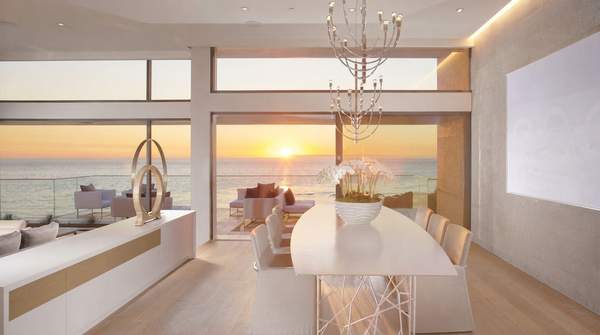

Color's influence is measurable. It can be tailored to specific activities, such as promoting concentration. Educational institutions and workplaces often overlook this. Neglecting specific color palettes for focused areas means missing a scientifically proven, low-cost intervention to boost concentration and reduce stress. Blue's impact on studying and calm, according to PMC, supports this. Designers aiming to enhance productivity and well-being have a practical application here.

Color as a Guide: Beyond Mood to Functionality

Differentiated colors in buildings significantly facilitated orienting and wayfinding, according to PMC. Color's role extends beyond emotional impact to practical applications in spatial navigation. Strategic color application can simplify complex environments, making them easier to navigate.

Color is not just about emotional impact. It plays a crucial role in functional design and usability of physical spaces. Beyond individual room effects, differentiated colors aid wayfinding, according to PMC. Differentiated colors aiding wayfinding, according to PMC, implies large public buildings and complexes could significantly improve user experience and reduce confusion. Implementing strategic, color-coded navigation systems would achieve this. The potential for large public buildings and complexes to significantly improve user experience and reduce confusion has implications for airports, hospitals, and large office complexes, where clear guidance is essential.

Designing for Well-being: Practical Applications of Color

A university residence hall study found students preferred blue interiors, followed by green, violet, orange, yellow, and red, according to PMC. The consistent preference for blue interiors, followed by green, violet, orange, yellow, and red, found in a university residence hall study, shows certain colors resonate more positively with occupants. They influence comfort and perceived quality of a space. Understanding these preferences allows for creating environments that are not only aesthetically pleasing but also inherently more comfortable and effective.

The consistent data on blue's benefits, according to PMC, means interior designers and architects must move beyond purely aesthetic considerations. They should integrate evidence-based color psychology to optimize spaces for specific human activities and well-being. The integration of evidence-based color psychology by interior designers and architects creates environments that actively support user goals and emotional states.

Your Color Questions Answered

How does color affect mood in interior design?

Color significantly impacts mood by triggering psychological responses. Blue promotes calmness and study facilitation. Different hues evoke specific emotional states: red increases alertness, green fosters nature and balance. Strategic color use can intentionally shape a room's emotional atmosphere.

What is the best color for a calm bedroom?

Blue stands out as an objectively superior choice for a calm bedroom. Its consistent association with tranquility and reduced stress supports this. Shades of light green or muted lavender also contribute to a serene environment, often promoting relaxation and aiding sleep. Choosing cooler, desaturated tones proves more effective for fostering a restful atmosphere.

How to use color theory in home decor?

To use color theory in home decor, consider each room's primary function. Select colors that support that activity. Apply blues in workspaces or bedrooms for focus and calm. Use warmer tones like soft yellows in social areas to encourage interaction. Balancing dominant colors with complementary accents creates harmonious, purposeful design.

The Palette of Possibility: Harnessing Color for Better Living

If designers and individuals continue to embrace evidence-based color psychology, future environments will likely be more attuned to human well-being and cognitive function, moving beyond mere aesthetics.