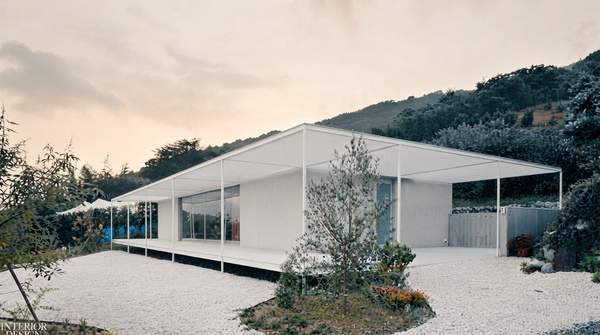
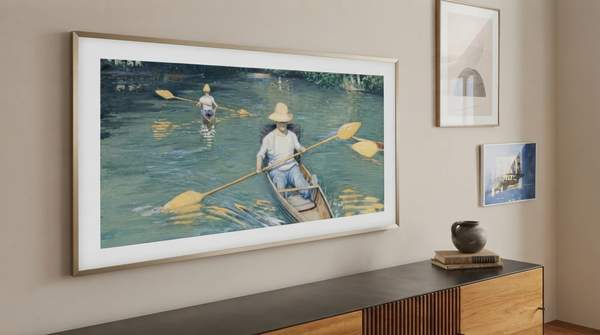
Forget the stark, empty rooms often imagined: a common myth about minimalist interior design is that it is boring, yet its true purpose is to cultivate profound serenity and intentional functionality, according to Adobe. The widespread perception that minimalist interior design is boring fundamentally misdirects public understanding away from its core benefits. The initial judgment often prevents individuals from exploring the deeper advantages of a thoughtfully curated living environment.
Many perceive minimalist design as inherently boring and sterile, but its core principles are actually engineered to create deeply serene and highly functional living spaces. The tension between public perception and the core principles of minimalist design reveals a significant gap in how the public understands a design philosophy explicitly engineered for profound well-being.
By embracing minimalist principles, individuals are likely to discover not just an aesthetic choice, but a pathway to enhanced well-being and a more harmonious living experience. Embracing minimalist principles shifts focus from accumulation to purpose, fostering environments that support mental clarity and peace.
Beyond Bare Walls: What Minimalist Design Truly Is
Minimalist design extends far beyond simply bare walls or sparse furnishings; it is a philosophy centered on intentionality and functionality. Minimalist design involves a deliberate curation process, ensuring every element within a space serves a specific purpose or brings genuine joy. Rather than stripping a room of personality, minimalism refines it, stripping away visual noise to highlight essential forms and functions.
It is not about deprivation, but about thoughtful selection. Designers emphasize clean lines, open spaces, and a cohesive aesthetic that promotes a sense of calm. The careful selection process allows for a deeper appreciation of the chosen objects, materials, and the overall atmosphere of a room. The goal is to create environments that support the inhabitants' lives, free from the distractions of excess.
Crafting Calm: Practical Principles for a Serene Space
Creating a serene minimalist space involves systematic application of practical principles. The process typically begins with rigorous decluttering, removing items that do not contribute to the room's function or aesthetic. Each object is assessed for its value, leading to a reduction in visual and physical clutter.

Thoughtful material selection also plays a crucial role. Natural materials such as wood, stone, and linen are frequently chosen for their tactile qualities and ability to introduce subtle texture without overwhelming the senses. A muted color palette, often featuring whites, grays, and earthy tones, provides a calm backdrop, allowing the interplay of light and shadow to become a design element. Strategic use of space, including multi-functional furniture and hidden storage, maintains an uncluttered appearance while maximizing utility. Applying these techniques systematically allows for a gradual transformation of chaotic spaces into areas of calm and clarity.
The Hidden Benefits: How Minimalism Enhances Well-being
Adopting minimalist design principles offers significant psychological and lifestyle benefits beyond mere aesthetics. A less cluttered environment directly translates to reduced visual noise, which can alleviate mental stress and improve cognitive function. Clear surfaces and organized spaces contribute to a sense of order, fostering a calmer mind.
An intentional approach to living space can enhance focus and productivity by minimizing distractions. When surrounded by fewer unnecessary items, individuals often experience increased clarity and a greater ability to concentrate on tasks. Beyond aesthetics, a minimalist home environment can significantly reduce stress and enhance mental well-being by removing visual clutter and promoting a structured, peaceful atmosphere. The shift to a minimalist home environment supports a more mindful existence, allowing inhabitants to engage more deeply with their surroundings and their activities within them.
Your Questions Answered: Demystifying Minimalist Living
What are the key elements of minimalist interior design?
Key elements of minimalist interior design include an emphasis on negative space, which allows rooms to breathe and feel expansive. Natural light is maximized through minimal window treatments, while a limited color palette of neutrals or muted tones ensures visual harmony. Furniture often features clean lines and serves multiple functions, reducing the need for numerous pieces.
How to create a serene and calm home atmosphere?
To create a serene atmosphere, incorporate sensory elements like soft, natural textiles such as wool or cotton for comfort and warmth. Subtle, diffused lighting, perhaps from dimmable lamps or indirect fixtures, can establish a tranquil mood. Introducing natural elements like a few potted plants or simple, sculptural branches also contributes to a calm, grounded feeling.
What colors promote serenity in interior design?
Colors that promote serenity in interior design typically include warm neutrals such as off-whites, creams, and light beiges, which provide a soft, inviting base. Muted blues and soft greens are also effective, evoking natural landscapes and a sense of calm. These palettes avoid harsh contrasts, contributing to a cohesive and peaceful visual experience.
Your Path to a More Purposeful Home
The journey into minimalist interior design is not about sacrificing comfort or personality; it is about cultivating a living space that truly serves and uplifts its inhabitants. The initial perception of minimalism as boring, identified by Adobe, fundamentally misses the point of its core benefits. Instead, it offers a strategic path to profound serenity and intentional functionality.
Ultimately, minimalist design is a powerful tool for intentional living, offering a path to a more serene and purposeful home that truly supports your lifestyle. By embracing these principles, individuals can transform their environments, fostering mental clarity and a greater sense of well-being. A re-education effort, shifting public understanding from superficial aesthetics to functional impact, will be crucial for broader adoption by 2026.