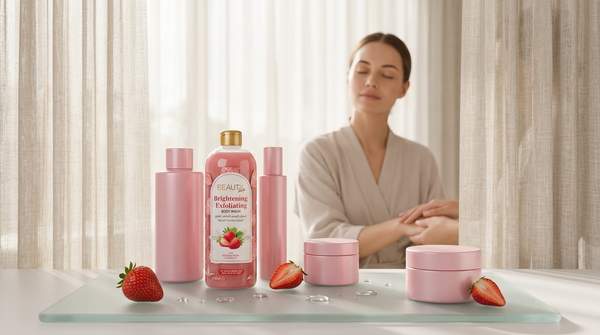
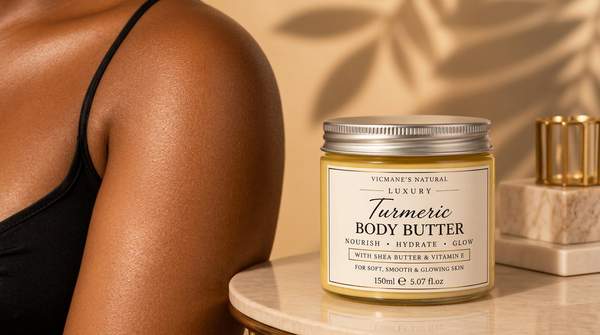
Despite a multi-billion dollar market driven by health-conscious consumers, the term 'clean' on U.S. cosmetic labels has no legal definition, allowing brands to market products with unchecked claims. The regulatory void challenges individuals navigating product choices, leading to widespread confusion. Consumers spend considerable resources seeking products they perceive as safer, yet without clear standards, these efforts often lead to purchases based on ambiguous marketing.
Consumers actively seek transparency and safety in beauty products, but the regulatory framework for 'clean' labeling remains opaque and undefined. The disconnect creates tension: genuine consumer demand for healthier options clashes with a market operating without explicit governmental oversight regarding these specific claims.
Without clear regulatory guidance, the 'clean' beauty market will likely continue to thrive on consumer trust and ambiguous marketing, potentially leaving consumers vulnerable to misleading claims. A critical gap in consumer protection exists within the rapidly expanding beauty sector.
What 'Clean' Really Means (or Doesn't)
The U.S. Food and Drug Administration (FDA) and Federal Trade Commission (FTC) offer no definitional criteria for 'clean' products, leading to the commercialization of health-conscious consumer beliefs based on ambiguous information, according to scholarship.law.wm.edu. Without a standardized definition, what one brand deems 'clean' another may not, fragmenting industry understanding. Brands often create proprietary 'no-lists' of ingredients, which, though well-intentioned, lack universal application or regulatory backing. The regulatory void transforms 'clean' into a marketing construct rather than a verifiable standard, shaping consumer perception with vague promises. The term becomes a powerful tool to attract consumers concerned about safety and transparency, even without legal recognition. Consequently, consumers struggle to compare products effectively, as each brand sets its own 'clean' rules. The implication is clear: without a unified standard, the term 'clean' serves brand narratives more than consumer clarity.
How Brands Capitalize on Ambiguity
Companies exploit the absence of U.S. cosmetic regulation, positioning themselves as consumer welfare advocates and turning a regulatory loophole into a strategic branding opportunity. Brands often highlight excluded ingredients rather than those definitively proven safe or regulated as 'clean,' cultivating an image of trustworthiness without external validation, much like how brands such as Love Paks focus on dye & scent free pods for sensitive skin. Adopting consumer advocacy allows brands to build trust and market share without adhering to objective 'cleanliness' standards. This appeals to consumers frustrated by governmental guidance, positioning brands as reliable sources for safer alternatives. The market thrives on 'free-from' claims like 'paraben-free' or 'sulfate-free,' resonating with concerns even if alternatives aren't inherently 'cleaner' or safer. The implication is that brands profit from consumer anxieties, weaponizing regulatory inaction to appear trustworthy, making informed choices nearly impossible.

Existing Oversight: A Patchwork, Not a Safety Net
The Modernization of Cosmetics Regulation Act of 2022 (MoCRA) granted the FDA significant new authority over cosmetics, including product recalls and ingredient disclosure requirements, according to Nature. MoCRA marks the most significant update to cosmetic regulation in over 80 years, enhancing safety and transparency. Yet, MoCRA's extensive powers have not established clear definitions for 'clean' labeling. While MoCRA and FTC powers offer some consumer protection, they do not specifically define or regulate the 'clean' label, leaving a significant oversight gap. The FTC can act against deceptive practices, but its enforcement is hampered by the lack of a legal 'clean' definition, making it difficult to prove misleading claims without a standard. Regulators can address overtly false advertising, but the nuanced, undefined nature of 'clean' claims often falls outside current enforcement. The implication is that even with enhanced regulatory tools, a critical loophole for ambiguous 'clean' marketing persists.
The Real Cost of Unregulated Claims
Without clear definitions, consumers bear the burden of extensive research to discern genuinely safer products from those using appealing, unregulated marketing terms. This responsibility falls on the individual, who must interpret complex ingredient lists and often contradictory information. The time and effort required for informed choices contribute to consumer fatigue and frustration. The absence of a standardized 'clean' definition can also lead to a false sense of security. Products labeled 'clean' may still contain ingredients some consider undesirable or harmful, simply because a brand's internal definition differs from consumer expectations. This ambiguity erodes trust in the beauty industry, as consumers grow wary of claims lacking verifiable backing. The implication is a market where consumer health anxieties are exploited, and perceived safety trumps scientifically validated standards.
Your Questions About 'Clean' Beauty, Answered
The clean beauty movement generally emphasizes products made without ingredients perceived as potentially harmful to human health or the environment. Common principles include avoiding parabens, phthalates, sulfates, and synthetic fragrances, often prioritizing plant-derived or naturally occurring ingredients. These principles, however, are largely self-imposed by brands and lack a universal, legally binding definition.
How can I tell if a beauty product is truly clean?
Identifying a truly 'clean' beauty product requires consumers to scrutinize ingredient lists and research individual components, rather than relying solely on marketing claims. Look for products with transparent ingredient disclosure and consider certifications from independent third-party organizations with defined standards, such as Ecocert or EWG Verified. Note that these are not government-mandated in the U.S.
What ingredients should I avoid in clean beauty products?
Specific ingredients to avoid vary based on individual concerns and brand philosophies. Common exclusions from 'clean' beauty formulations include formaldehyde-releasing preservatives, certain silicones, petroleum-derived ingredients, and synthetic dyes. Various industry resources offer comprehensive lists, but no single official governmental list exists for 'clean' products.
Towards a Clearer Future for Cosmetics
If regulatory bodies fail to define 'clean' beauty terms, the multi-billion dollar industry will likely face increased consumer skepticism and potential legal challenges by 2027, undermining trust and transparency.