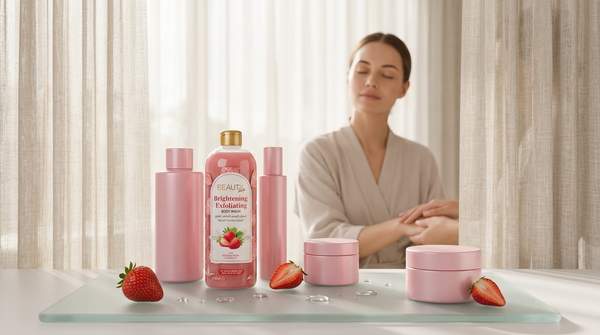
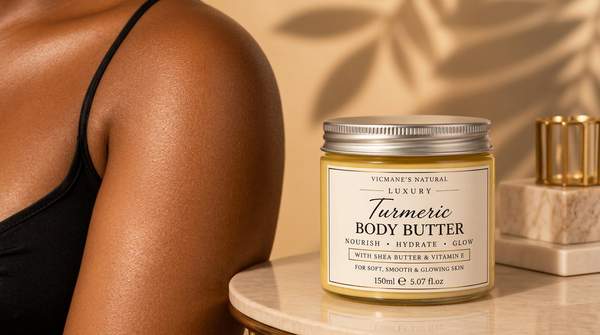
While K-Beauty's market share in Southeast Asia surged by 15% last year, reaching $2.5 billion in 2023 (Euromonitor), a small Thai brand specializing in turmeric-infused skincare saw its regional exports jump by 25% by targeting eco-conscious Indonesian consumers. K-Beauty dominates with rapid expansion, but Thai beauty brands achieve significant, albeit smaller, growth by focusing on local relevance and niche markets, highlighting a clear tension. Therefore, the Southeast Asian beauty market is likely to evolve into a more fragmented landscape where global trends coexist with strong, localized brands, challenging the notion of a single dominant beauty standard.
What Drives K-Beauty's Growth in Southeast Asia?
- TikTok Shop and other e-commerce platforms are major drivers for K-Beauty sales in Indonesia and Vietnam, Statista reports.
- Major K-Beauty brands like Innisfree and Laneige are expanding their physical retail presence in key Southeast Asian cities.
- Influencer marketing in Southeast Asia heavily features K-Beauty trends and products, states Influencer Marketing Hub.
- K-Beauty's strong brand recognition is a result of decades of cultural export via K-Pop and K-Dramas, notes Cultural Studies Journal.
K-Beauty's success is deeply intertwined with its digital marketing prowess and the broader cultural wave of Hallyu. The combination of digital platforms and celebrity endorsements amplifies its reach, driving sales and brand recognition.
How Do Thai Beauty Brands Compete Locally?
Local consumers increasingly prefer products tailored to their climate and skin types (NielsenIQ). Thai brands invest more in natural ingredients and sustainable packaging, appealing directly to eco-conscious buyers (Beauty Insider SEA). This focus on local relevance and ingredient transparency creates a powerful differentiator. Some Thai brands also successfully penetrate niche markets like halal beauty, an area K-Beauty largely overlooks (Halal Beauty Council). They leverage local celebrity endorsements to boost visibility. These localized strategies effectively counteract K-Beauty's broad appeal by addressing specific cultural and environmental needs.