A recent survey showed 70% of Gen Z consumers prioritize sustainability in fashion, yet analysts predict that for Summer 2026, the top-selling accessory will be a biodegradable, single-season 'it' bag designed to be discarded after just three months, according to Consumer Edge. A profound chasm between consumer aspirations for ethical consumption and predicted purchasing behaviors for 2026 summer accessory trends is evident.
Consumers claim to value sustainable and timeless accessories. Yet, the Summer 2026 market will be dominated by rapidly changing, disposable micro-trends.
Therefore, brands that quickly identify and produce viral, affordable accessories will capture significant market share. Consumers will face a growing dilemma between their stated values and their desire for novelty, potentially leading to increased fashion waste.
The Stated Desire for Sustainable Style
Despite the predicted market trajectory, consumer sentiment strongly favors ethical and durable fashion. A Consumer Edge survey indicates 70% of Gen Z consumers prioritize sustainability.
- Consumers express a demand for ethically produced items.
- Interest in durable, long-lasting accessory designs remains high.
- Preference for timeless styles often outweighs fleeting trends.
- Shoppers increasingly seek transparency in product sourcing and manufacturing.
- Environmental impact is a stated consideration in purchasing decisions.
This collective stated preference, while strong, has yet to translate into widespread market behavior that prioritizes longevity over novelty. A persistent gap between consumer intent and actual purchasing decisions, which brands must navigate, is evident.
The Rise of Hyper-Ephemeral Micro-Trends
The predicted top-selling accessory for Summer 2026—a biodegradable, single-season 'it' bag designed for disposal after three months, per Consumer Edge—directly contradicts stated Gen Z priorities. The velocity of social media-driven micro-trends is powerful enough to consistently trump deeply ingrained ethical consumer preferences.
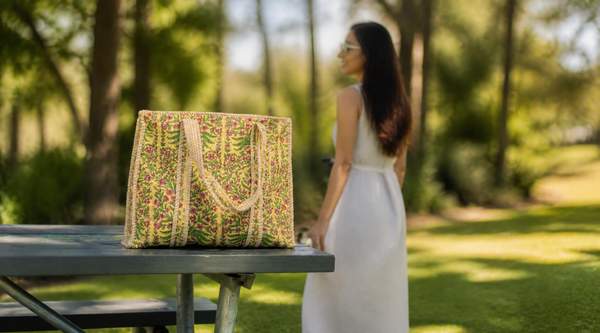
These rapid trend cycles push consumers towards constant novelty. Brands strategically leverage the tension between sustainability and trend cycles by offering products like single-season biodegradable bags. A market shift is confirmed: rapid consumption is now monetized under an eco-conscious veneer, not through promoting true longevity.
Economic Pressures and Accessibility
The 'biodegradable' label on disposable accessories acts as a psychological balm. Consumers reconcile their desire for constant novelty with their stated sustainability values, effectively creating a new category of 'guilt-free fast fashion'.
Shopper spending habits for 2026 indicate a continued focus on value and affordability across categories, according to Salsify. Concurrently, the global fashion accessories market is projected to reach $830.4 billion by 2030, partly driven by accessible trend-driven items, according to Fortune Business Insights. This combination of consumer demand for affordability and market growth through accessible, trend-driven items suggests cost-effectiveness often overrides other considerations, even for those claiming sustainable values. The allure of affordability and instant gratification often outweighs long-term environmental or ethical considerations for many consumers.
Navigating the Contradiction: What's Next for Brands and Buyers
The disconnect between Gen Z's stated sustainability priorities and the predicted market dominance of disposable accessories suggests that for many, conscious consumption remains an aspiration rather than a purchasing driver. Brands that successfully market 'sustainable disposability' through items like biodegradable single-season bags are poised to capture significant market share, overshadowing those pushing for truly timeless, long-lasting pieces.
Agile producers like Zara or Shein are positioned to benefit most from this trend. By Q3 2026, such fast-fashion retailers are expected to launch numerous biodegradable, single-season 'it' bags, solidifying their market position by catering to both the desire for novelty and the psychological balm of 'eco-conscious' claims. This strategy effectively monetizes the consumer's internal conflict.
Your Questions Answered on Summer 2026 Accessories
What are the most popular summer accessories for 2026?
Beyond the predicted single-season 'it' bag, micro-trends point to novelty sunglasses, oversized statement earrings from recycled plastics, and digitally printed scarves. These offer quick trend adoption at accessible price points.
What fashion trends are expected for summer 2026?
Expect a continuation of highly specific, niche aesthetic trends driven by social media. These often involve distinct color palettes or material combinations, such as iridescent finishes or chunky resin jewelry, designed for quick visual impact and short-term wear.
How can consumers identify genuinely sustainable accessories?
Identifying truly sustainable accessories requires looking beyond 'biodegradable' labels. Seek certifications like Global Organic Textile Standard (GOTS) or Fair Trade. Consumers should prioritize brands with transparent supply chains and those offering repair services, rather than solely relying on marketing claims.