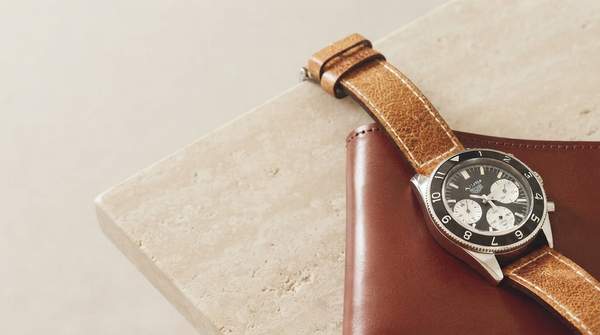
A mechanical watch, costing tens of thousands of dollars, can predictably lose or gain up to 30 seconds each day. This level of precision, while impressive for a purely mechanical device, starkly contrasts with a $50 quartz watch, which typically maintains time within an impressive 10–15 seconds per month, according to Brinkersjewelers. The significant disparity between mechanical and quartz watch accuracy reveals a fundamental inversion in the luxury watch market; value is not solely tied to practical timekeeping utility. The inherent 'imperfection' of mechanical movements, in terms of raw accuracy, becomes a distinguishing feature, not a flaw, in the high-end segment, driving consumer appreciation for the craftsmanship involved.
Luxury mechanical watches are celebrated for their intricate engineering and historical lineage, but they are significantly less accurate and demand more frequent, complex maintenance than their mass-produced quartz counterparts. The tension between the intricate engineering and historical lineage of luxury mechanical watches and their lower accuracy and higher maintenance exists at the core of high-end horology, where the various types of luxury watch movements and their impact on ownership are scrutinized for attributes beyond mere timekeeping. Consumers seeking ultimate timekeeping precision and minimal maintenance often look to quartz, yet the profound allure of mechanical craftsmanship persists and even thrives among collectors.
The enduring appeal of mechanical movements in luxury watches suggests that the value proposition in high-end horology is increasingly tied to artistry, heritage, and micro-engineering innovation rather than mere functional precision. The redefinition of luxury, tied to artistry, heritage, and micro-engineering innovation, emphasizes the visible, intricate engineering that demands a connoisseur's appreciation, effectively selling imperfection as an exclusive feature. The market rewards the deliberate pursuit of complexity and the meticulous hand-finishing involved, valuing the human element over utilitarian efficiency.
The Heart of the Watch: Mechanical vs. Automatic
At the core of traditional watchmaking lies the mechanical movement, a complex system driven by the precise release of stored energy. This intricate mechanism utilizes a coiled metal spring, known as a mainspring, which gradually uncoils to release its potential energy through a meticulously crafted series of gears. This intricate gear train then drives a balance wheel, an oscillating component that regulates the precise timing of the watch, as described by Teddy Baldassarre. The visible interplay of these minute components, often showcased through sapphire casebacks, contributes significantly to the watch’s aesthetic appeal and its status as a piece of micro-engineering.
Automatic movements represent a specific type of mechanical movement that offers enhanced convenience for the wearer, eliminating the need for daily manual winding. Unlike purely manual mechanical watches, which require the user to wind the mainspring by hand, automatic movements incorporate a weighted rotor. This rotor moves freely with the wearer's wrist, converting kinetic energy into potential energy by automatically winding the mainspring, according to Teddy Baldassarre. Both mechanical and automatic movements embody the intricate engineering and historical lineage that elevate traditional watchmaking beyond simple time indication, focusing on the sophisticated internal mechanisms and the artistry required to assemble them.
Micro-Engineering and the Pursuit of Perfection
The pursuit of aesthetic refinement and subtle performance enhancements drives continuous innovation in mechanical horology. Micro-rotors, for instance, represent a significant design choice that allows for the overall mechanism to be thinner compared to traditional, full-sized rotors, an observation noted by Teddy Baldassarre. Micro-rotors, which allow for thinner mechanisms, not only enhance wearability by reducing the watch's profile but also often allow for more of the movement's intricate architecture to be displayed, appealing to collectors who value visual complexity.
Another significant innovation in mechanical design is the peripheral rotor, which is specifically engineered to circulate around the movement's edge, thereby avoiding obscuring the mechanical beauty of the components behind it. The peripheral rotor design choice highlights a clear prioritization of visual intricacy and the aesthetic display of engineering over mere functional efficiency. The visible complexity of the movement, rather than just its precision, is a primary driver of luxury appeal. Furthermore, the dedication of some watchmakers to 'incremental improvements in mechanical watch performance' emphasizes a pursuit of engineering challenge and artistry, rather than a direct attempt to compete with quartz on accuracy, which remains orders of magnitude superior, according to Watchesbysjx. Innovations like micro-rotors, peripheral rotors, and incremental performance improvements collectively demonstrate watchmakers' continuous pursuit of both aesthetic refinement and subtle performance enhancements within mechanical horology, fundamentally shifting the definition of horological excellence towards craftsmanship and visual appeal.
The Practicality of Quartz: A Different Kind of Precision
In stark contrast to the intricate, maintenance-intensive nature of mechanical movements, quartz movements offer a practical and highly accurate alternative that emphasizes reliability and convenience. These movements rely on an oscillating quartz crystal, which vibrates at a precise and consistent frequency when an electric current is applied. This inherent stability provides exceptional timekeeping accuracy, resulting in significantly higher precision compared to their mechanical counterparts. Quartz watches typically maintain time within an impressive 10–15 seconds per month, as reported by Brinkersjewelers, a level of performance that even the most finely tuned mechanical watches struggle to match.
Beyond their superior accuracy, quartz movements also boast distinct advantages in terms of maintenance and longevity. They primarily require a simple battery replacement every 2–5 years, a procedure that is generally inexpensive and easily performed, states Brinkersjewelers. This contrasts sharply with the complex, costly, and frequent servicing required for mechanical watches, which often involves disassembling, cleaning, oiling, and reassembling hundreds of tiny components. Quartz movements therefore appeal strongly to consumers who prioritize convenience, consistent performance, and minimal upkeep, embodying a different kind of horological excellence focused on utility and modern practicality.
Beyond Timekeeping: The Enduring Value of Craftsmanship
Despite the practical drawbacks of lower accuracy and higher maintenance, mechanical movements steadfastly retain their prestige and value within the luxury market. Manual watches, for instance, necessitate professional servicing every 2–4 years, according to amjwatchservices. The consistent need for manual watch servicing every 2–4 years, far more involved than the mere battery changes for quartz timepieces, suggests that for high-end consumers, ongoing engagement and meticulous maintenance are not burdens. Instead, they represent integral components of the ownership experience, reinforcing exclusivity and fostering a deeper, more intimate connection to the craftsmanship and heritage of their timepiece.
The dedication to intricate analysis and micro-engineering further defines this segment of the market. For example, Watchesbysjx details an analysis of 43 watch movements, meticulously measuring parameters such as balance inertia, frequency, amplitude, and power reserve. Such meticulous examination underscores the profound commitment to enduring craftsmanship and the connoisseur’s appreciation for the technical artistry involved in each movement. The detailed horological analysis of 43 watch movements, meticulously measuring parameters such as balance inertia, frequency, amplitude, and power reserve, transcends simple timekeeping, focusing on the sophisticated design, precise execution, and minute adjustments of each component, elevating the watch to a work of art.
Based on the stark accuracy differences reported by Brinkersjewelers, the luxury watch industry has successfully redefined 'value' from practical utility to an appreciation for complex, visible engineering, effectively selling imperfection as an exclusive feature. The consistent need for servicing, alongside detailed technical analysis, reinforces this redefined value proposition. Innovations like peripheral rotors, designed to showcase internal mechanics rather than improve accuracy, reveal that the aesthetic display of intricate, less efficient engineering is now a primary driver of luxury appeal, fundamentally shifting the definition of horological excellence.
Common Questions About Watch Movements
Are quartz movements used in luxury watches?
While mechanical movements dominate the highest echelons of luxury, certain high-end brands do incorporate quartz technology. Grand Seiko, for example, is renowned for its Spring Drive and 9F Quartz movements, which combine exceptional accuracy with meticulous finishing. These movements often feature thermocompensation and sealed cabins to enhance precision and longevity, distinguishing them from mass-produced quartz watches.
What complications can mechanical watches offer?
Mechanical watches excel in offering a wide array of "complications," which are functions beyond basic time display. These can include perpetual calendars, which correctly account for leap years, or minute repeaters, which chime the time. on demand. Tourbillons, designed to counter gravity's effects on the escapement, represent another highly complex and visually engaging complication exclusive to mechanical horology, often adding significantly to a watch's value and prestige.
How does a watch's power reserve function?
A watch's power reserve indicates how long it will continue to run when fully wound and not being worn. In mechanical watches, this is typically stored in the mainspring and can range from 38 hours to several days or even weeks in specialized movements. Some luxury mechanical watches feature a power reserve indicator on the dial, allowing the wearer to monitor the remaining energy before needing to wind the watch or wear an automatic timepiece.
Choosing Your Movement: Artistry or Accuracy?
Ultimately, the choice among different types of watch movements reflects a personal appreciation for either cutting-edge precision or the timeless artistry of mechanical engineering. The luxury watch market has clearly demonstrated that practical utility, such as superior accuracy or minimal maintenance, is not the sole determinant of value. Instead, the visible engineering, intricate craftsmanship, and ongoing engagement required by mechanical watches have become paramount for discerning collectors and enthusiasts.
The industry, exemplified by heritage brands like Patek Philippe, continues to elevate mechanical movements into a pinnacle of status, precisely because their visible, intricate engineering demands appreciation beyond mere timekeeping. This enduring appeal is rooted in the narrative of human ingenuity, tradition, and the pursuit of microscopic perfection. By 2026, this nuanced understanding of luxury will continue to shape consumer preferences, reinforcing that for many, a watch is not just a tool for telling time, but a wearable piece of art and a micro-engineering marvel, where the story of its creation is as valuable as its function and its subtle imperfections are cherished.