A single Hermès Birkin bag, crafted from crocodile skin, can fetch over $200,000 on the resale market. The $200,000 sum, documented in Auction House Records, reflects intense desire for unique luxury items, but its true value now hinges on the verifiable, ethical journey of its scales. Demand for rare exotic leather handbags is soaring, yet the industry's traditional opacity clashes with growing consumer and regulatory calls for transparency. Brands that proactively adopt and communicate robust ethical sourcing and traceability technologies for exotic leathers will likely gain a competitive advantage and consumer trust. Those that do not risk reputational damage and market share erosion.
The Allure and the Ethical Imperative
Exotic leathers, from non-bovine animals, stand out for unique textures and patterns, as noted by Lead Angle. Global demand for exotic leather goods has grown 8% annually over five years, driven by emerging markets and a desire for unique luxury items, according to a Market Research Firm. The 8% annual growth in global demand for exotic leather goods confirms a strong consumer appetite for these distinct materials.
The Convention on International Trade in Endangered Species of Wild Fauna and Flora (CITES Official Website) regulates over 38,000 species, including most exotic leathers, requiring permits for legal trade. The appeal of exotic leathers is now tied to the industry's ability to navigate these stringent international regulations and meet consumer demand for transparent, responsible sourcing. Brands failing to align with CITES face immediate market exclusion and legal repercussions, highlighting the critical role of compliance in maintaining luxury status.
From Raw Hide to Refined Masterpiece
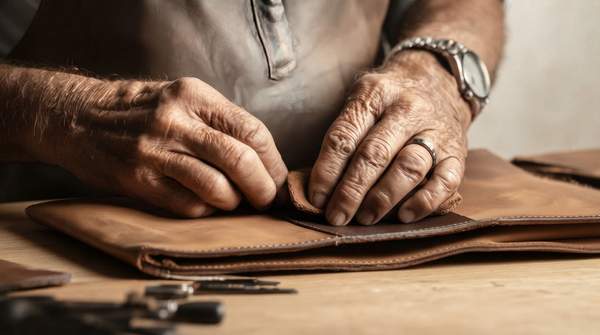
Crafting an exotic leather handbag demands over 20 hours of skilled artisan labor, from pattern cutting to hand-stitching, as detailed in an Artisan Interview from LVMH Atelier. The over 20 hours of skilled artisan labor, from pattern cutting to hand-stitching, transforms raw materials into luxury items. Crocodile and alligator skins often come from farms raising animals specifically for hides, ensuring consistency and legality, according to the Exotic Leather Farm Association.
Python skin, with its distinct patterns, requires careful descaling and tanning to maintain beauty and durability, a technique highlighted by a Tannery Expert. Ostrich leather, known for its quill bumps, is prized for softness, durability, and natural water resistance, according to a Leather Specialist Interview. Tanning for exotic leathers is highly specialized, often using vegetable-based tannins for eco-friendliness, though chrome tanning is also common, as noted in a Tanning Industry Report. The meticulous processing and specialized craftsmanship at each step preserve the hide's unique qualities, transforming it into a luxury item. The meticulous processing and specialized craftsmanship at each step, while ensuring product quality, also creates numerous points where ethical lapses can occur, making end-to-end traceability paramount for consumer confidence.