In Germany, 43% of young adults meticulously avoid repeating outfits in social media posts, revealing a pervasive pressure to constantly display new looks for a digital audience. The avoidance of repeating outfits shapes daily routines and purchasing habits as individuals strive to maintain a fresh online presence.
While 91% of young adults believe they can freely express their personal style, nearly half still avoid repeating outfits in social media posts. The avoidance of repeating outfits by nearly half of young adults reveals a hidden pressure to conform to an ever-changing digital aesthetic, exposing a deeper societal shift beneath the surface of perceived autonomy.
The relentless cycle of algorithm-driven trends and social commerce is likely to further homogenize personal style, making genuine individuality a niche pursuit and accelerating unsustainable consumption unless consumers actively resist.
Social media platforms have cemented their role as primary arbiters of style, creating a constant demand for new looks and influencing purchasing decisions at an unprecedented rate. A study by H&M, conducted by Civey in early 2026 among German citizens, found 43% of respondents actively avoid repeating outfits in social media posts. This figure closely aligns with the 46% who report being inspired by social networks when making outfit decisions, according to Fashion United. The stark divergence between perceived freedom and actual behavior, such as 43% avoiding outfit repeats despite 91% believing in free expression, suggests social media has weaponized self-expression, transforming it into a performative, unsustainable cycle of consumption rather than genuine individuality.
How Algorithms Flatten Personal Taste
Personal taste has been debased or destroyed by technological advancements, particularly the algorithmic feeds prevalent on streaming and social media platforms, according to The Guardian. These algorithms prioritize content that is 'accessible and ambient,' meaning less ambiguous and disruptive, ensuring it receives the broadest promotion. This mechanism explains how consumer trends such as childlike wall art, mesh ballet flats, and even specific food fads like Dubai chocolate or cottage cheese in everything can become inescapable overnight.
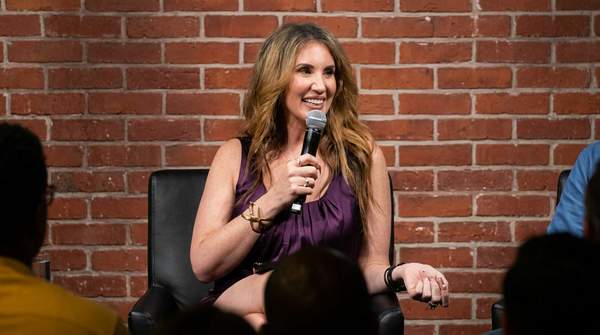
Constant exposure to algorithmically favored styles inadvertently creates a trend monoculture. Constant exposure to algorithmically favored styles stifles the emergence of truly unique aesthetics, as platforms funnel users towards similar looks. The Guardian notes algorithmic feeds actively debase personal taste by promoting 'accessible and ambient' content, suggesting platforms engineer a homogenous aesthetic that benefits fast fashion and influencer marketing at the expense of authentic user creativity.
The Enduring Belief in Self-Expression
Despite algorithmic influence, many young adults still champion fashion as a tool for personal expression. A 2026 H&M study found 91% of respondents feel free to express their style, even as 54% admit to feeling judged for their clothing choices, according to Fashion United. The finding that 91% of respondents feel free to express their style even as 54% admit to feeling judged reveals a complex internal landscape where perceived freedom coexists with potent external pressures.
Furthermore, 76% of respondents in the same study view their style as a direct expression of their personality, with 75% associating fashion with increased self-confidence. The data, showing 76% view style as personality expression and 75% associate fashion with self-confidence, highlights a fundamental tension: users believe they are exercising individuality, yet their behaviors, such as avoiding outfit repeats, demonstrate a significant, often unconscious, pressure to conform to digital expectations.
Beyond Inspiration: Hypersexualization and Conformity
The drive for viral content on social media pushes influencers towards increasingly provocative and personal displays, blurring the lines between fashion and hypersexualization. A TikTok trend involves influencers stripping to their underwear or less to begin outfit videos, a practice some users find concerning, as reported by the New York Post. The TikTok trend of influencers stripping to their underwear normalizes hypersexualization as a component of 'style expression,' further blurring the lines between fashion, performance, and potentially harmful content for engagement.
TikToker Joella Jackson went viral for calling out this trend, questioning its hypersexualization and the necessity of showing personal grooming routines in what are ostensibly fashion clips. Critiques from within the user base reveal a growing awareness of influencer culture's problematic aspects and the extreme ends of trend-following.
The Cost of Constant Trends
The seamless integration of social media, influencers, and commerce accelerates consumption, prioritizing convenience and fleeting trends over thoughtful purchasing and environmental sustainability. Consumers are more likely to purchase fashion products recommended by influencers online than those promoted through traditional advertising, largely due to a perceived accessibility and relatability, according to Resident™ Magazine. This preference drives a system where social commerce, allowing direct purchases via social media, significantly boosts impulse buying and changes shopping habits.
Companies relying on influencer marketing for 'relatability' become complicit in eroding genuine personal style. Their recommendations often reinforce algorithmically-driven trends that prioritize rapid consumption over lasting individuality. This rapid turnover of trends, fueled by social media, directly promotes fast fashion and contributes to unsustainable consumption habits globally.
By late 2026, the ongoing tension between perceived fashion freedom and actual digital conformity will likely push more brands, such as H&M, to re-evaluate their marketing strategies. The re-evaluation of marketing strategies by brands could focus on genuine sustainability and timelessness, rather than fleeting algorithmic trends, to cater to a growing segment of consumers seeking authentic style beyond performative consumption.