In 1908, Japanese chemist Kikunae Ikeda cracked a culinary code: the deep, savory essence of kelp broth, a cherished staple, wasn't just 'deliciousness' but a distinct taste. He isolated monosodium glutamate (MSG), naming this fifth taste 'umami.' The discovery transformed a culinary intuition into a verifiable scientific phenomenon.
For millennia, umami anchored global cuisines, from fermented fish sauces to aged cheeses. Yet, its scientific validation as a basic taste with dedicated receptors emerged only in the last century, finally bridging ancient culinary wisdom with modern biology.
As science deciphers umami compounds and receptors, food innovation will increasingly harness this fifth taste. The goal: healthier, more palatable, and nutritionally beneficial foods, moving beyond mere enjoyment to targeted health interventions.
The Science Behind the Savory: What is Umami?
Glutamate receptors on the tongue confirm umami as a basic taste, alongside sweet, sour, salty, and bitter. These specialized receptors detect glutamate, signaling a savory sensation. Researchers identified three distinct umami receptors: T1R1 + T1R3, mGluR4, and mGluR1, per umami characteristics and taste improvement mechanism of meat. Multiple receptor types suggest a complex biological system, implying umami's culinary and health applications are more nuanced than once thought.
The Chemistry of Deliciousness: Identifying Umami Compounds
Beyond glutamate, scientists uncover a diverse array of umami-enhancing compounds. In soy sauce, for instance, N-(1-deoxy-D-fructos-1-yl)pyroglutamic acid (Fru-pGlu), N-(1-deoxy-D-fructos-1-yl)valine (Fru-Val), N-(1-deoxy-D-fructos-1-yl)methionine (Fru-Met), pyroglutamylglutamine (pGlu-Gln), and pyroglutamylglycine (pGlu-Gly) were identified as key enhancers, per isolation and identification of the umami enhancing compounds in .... Savory tastes stem from a complex interplay of chemical structures, opening new pathways for flavor modulation and nutritional enhancement beyond simple glutamate detection.
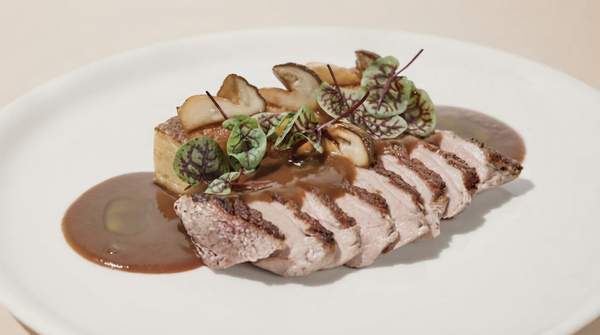
Umami in the Kitchen: Global Culinary Applications
Umami thrived in kitchens worldwide long before science, particularly through fermentation. Cultures across Asia, Europe, and Africa crafted fermented foods—soy sauce, fish sauce, aged cheeses—that naturally concentrate umami compounds. The historical embrace of glutamate-rich foods reveals an intuitive human grasp of flavor enhancement, a wisdom modern science now decodes and optimizes, offering a practical foundation for contemporary food science to enhance flavor for health. Fermentation breaks down proteins into amino acids, including glutamate, intensifying savory depth.
Beyond Flavor: The Health and Nutritional Benefits of Umami
Umami's impact extends beyond pleasure, offering tangible health benefits. It can improve nutrition intake for the elderly and patients, per potential effects of umami ingredients on human health. Umami-rich ingredients are positioned as a powerful, non-pharmacological tool against malnutrition, enhancing appetite and food consumption in vulnerable populations.
Remarkably, umami also appears to protect against duodenal cancer, per potential effects of umami ingredients on human health. Umami is elevated beyond a taste enhancer, suggesting direct therapeutic or preventative health benefits. Such a finding opens new avenues for dietary interventions in disease prevention, challenging taste's traditional sensory role.
Frequently Asked: Does Umami Just Make Things Taste Better?
What are the five basic tastes?
The five basic tastes recognized by science are sweet, sour, salty, bitter, and umami. Each taste corresponds to specific receptors on the tongue, which send distinct signals to the brain. This classification helps in understanding the fundamental building blocks of flavor perception.
How is umami different from other tastes?
Umami is often described as a savory, brothy, or meaty taste, characterized by a pleasant, mouth-filling sensation that lingers. Unlike sweet, which signals energy, or bitter, which often indicates toxins, umami signals the presence of protein-rich foods, making it distinct in its sensory profile and nutritional implications.
What foods contain umami?
Many common foods are naturally rich in umami compounds. Examples include aged cheeses like Parmesan, ripe tomatoes, mushrooms (especially shiitake), cured meats, and fermented products such as miso and yeast extract. These ingredients contribute a deep, satisfying savory note to dishes.
If current research trends continue, umami compounds appear likely to become a targeted tool in food science, enhancing both flavor and public health outcomes, from combating malnutrition to preventing disease.


