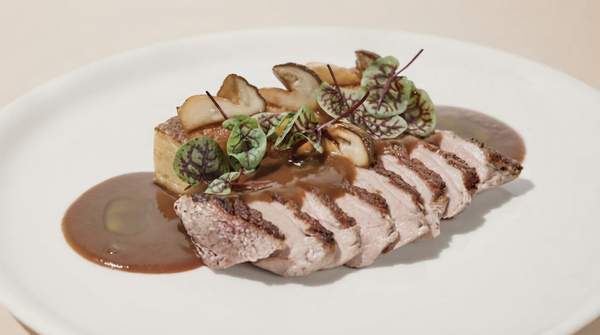
A steak cooked on a grill or skillet can lose up to 40% of its volume due to moisture loss, a stark contrast to the minimal loss experienced with sous-vide preparation. This substantial reduction in yield, according to Anova Culinary data, reveals an inherent inefficiency in traditional cooking methods. Such a difference directly impacts a restaurant's bottom line and the consistency of its customer experience.
However, sous-vide promises culinary perfection and extended shelf life through precise temperature control. Yet, it faces significant limitations in microbial pathogen elimination. It also requires specific equipment and training, creating perceived barriers to wider adoption. This tension between its practical benefits and its challenges defines its current place in the culinary world.
Based on this evidence, sous-vide will remain a staple in professional kitchens for its precision. But its broader mainstream adoption will likely stay niche, due to cost, training, and a lingering association with complex, high-end experimental cuisine.
The Science of Sous-Vide: Precision in a Water Bath
Sous-vide, French for "under vacuum," seals food in a plastic pouch and cooks it in a precisely controlled water bath. This method, contrary to popular belief, can be executed with just a plastic bag, a thermometer, and a pot, as Galavante confirms. Consistent water temperature ensures even heat distribution, while vacuum-sealing inhibits bacterial growth, extending shelf life, noted by PMC. This dual benefit of precise cooking and preservation makes sous-vide a valuable tool for culinary consistency.
The Galavante insight into its basic accessibility, contrasted with PMC's mention of equipment costs, reveals a communication failure. The culinary world often fails to highlight sous-vide's fundamental simplicity, limiting its adoption beyond elite circles.
Unlocking Culinary Consistency and Choice
Exact temperatures allow chefs unparalleled consistency. Every sous-vide dish reaches its desired doneness and texture with precision, eliminating traditional variability. This control empowers chefs to achieve specific textures and doneness, opening new culinary possibilities and menu development. For example, a medium-rare steak becomes uniform from edge to edge, avoiding overcooked exteriors or undercooked centers. This reliable outcome enhances dining and streamlines kitchens, cutting waste. Diners receive the intended culinary experience, every time.