Food

What is Molecular Gastronomy and Why Does it Matter?

In 2004, Heston Blumenthal's The Fat Duck, a restaurant pioneering molecular gastronomy, earned its third Michelin star and was ranked first in the World's 50 Best Restaurants.

CR
Camille Rousseau

April 10, 2026 · 4 min read

A chef precisely plating a dish with scientific tools, showcasing the art and precision of molecular gastronomy in a fine dining setting.

In 2004, Heston Blumenthal's The Fat Duck, a restaurant pioneering molecular gastronomy, earned its third Michelin star and was ranked first in the World's 50 Best Restaurants. Scientific precision could redefine culinary excellence. The recognition, according to The Guardian, solidified the scientific approach at the pinnacle of fine dining. Rigorous experimentation and a deep understanding of ingredients yielded unparalleled critical acclaim and sensory delight.

Yet, the term 'molecular gastronomy' often creates artificial barriers. Its complicated, elitist sound belies its practical applications, which have led to some of the most acclaimed and enjoyable dining experiences globally. A fascinating disconnect emerges between public perception and tangible success.

The culinary world will continue to integrate scientific principles into cooking, even if the specific label 'molecular gastronomy' evolves. Chefs increasingly seek to understand and manipulate food at a fundamental level for superior results. This persistent quest for precision and innovation drives taste and presentation forward.

What is Molecular Gastronomy?

Chemistry forms the core of the finest food in the world's most acclaimed restaurants, forging a new cuisine, according to molecular gastronomy: a new emerging scientific discipline - pmc. The often-misunderstood discipline applies physics and chemistry to culinary processes. It systematically investigates the physical and chemical transformations ingredients undergo during cooking. Its long-term aims, detailed by molecular gastronomy: a new emerging scientific discipline - pmc, are to equip chefs with tools for creating exquisite dishes and to define the precise conditions for ultimate enjoyment. The approach moves beyond traditional recipes, seeking to understand and optimize cooking methods. It transforms the kitchen into a laboratory, allowing precise control over flavor, texture, and aroma, ensuring every bite delivers enhanced culinary satisfaction.

Beyond the Buzzwords: The Science in Your Kitchen

Precise temperature control, like in sous-vide techniques, exemplifies scientific application. The method cooks food in a temperature-controlled water bath, ensuring evenness and preventing overcooking. Moisture and texture are preserved. Chefs achieve perfectly tender meats or vibrant vegetables with consistent results, every time.
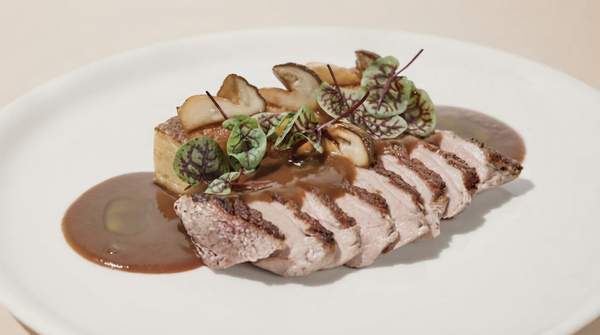
Spherification, another technique, utilizes sodium alginate and calcium chloride to create liquid-filled spheres resembling caviar. Rooted in polymer chemistry, this process allows for bursts of flavor and unique textural experiences, challenging traditional palates. Understanding the science allows greater control over texture, flavor, and presentation, moving beyond traditional recipes to true culinary innovation. It enables chefs to deconstruct and reconstruct dishes, offering novel sensory experiences that tantalize.

The Name Game: Why 'Molecular Gastronomy' Divides

Heston Blumenthal, a leading figure, believes the term 'molecular gastronomy' creates artificial barriers. He stated 'molecular' sounds complicated and 'gastronomy' sounds elitist, according to 'molecular gastronomy is dead.' heston speaks out - the guardian. A critical disconnect emerges: public perception of innovation often lags behind its tangible, award-winning results.

Yet, Blumenthal's restaurant, The Fat Duck, achieved three Michelin stars and ranked first globally in 2004. Embracing scientific rigor, even with an intimidating name, unequivocally demonstrated that it accelerates culinary innovation and elite recognition. The unparalleled success proved that exceptional dining experiences ultimately transcended linguistic barriers, despite the name's inadvertent creation of inaccessibility or pretentiousness.

The Impact on Your Plate and Palate

Molecular gastronomy has profoundly altered dining expectations, introducing novel textures and surprising flavor combinations. It challenges traditional culinary boundaries. Diners now encounter dishes that play with perception: savory foams dissolving on the tongue, or solid ingredients transformed into shimmering gels. The approach encourages a more intellectual and sensory engagement with food, moving beyond mere sustenance.

Its influence extends to how chefs approach ingredient selection and preparation. Understanding the chemical reactions involved allows chefs to manipulate ingredients, unlocking new aromatic profiles or intensifying existing flavors. Precision creates dishes that are not only delicious but visually stunning, emphasizing dining's aesthetic component. Molecular gastronomy reshapes how we perceive and interact with food, fostering a deeper appreciation for the artistry and science behind each exquisite bite.

Common Questions About Scientific Cooking

Who invented molecular gastronomy?

Hungarian physicist Nicholas Kurti and French physical chemist Hervé This coined "molecular and physical gastronomy" in 1988, according to molecular gastronomy | history, theory, techniques, & facts. Their work applied rigorous scientific methods to understand and improve culinary processes, formalizing an approach chefs had intuitively explored for centuries.

What are some examples of molecular gastronomy dishes?

Dishes often feature techniques like spherification, creating liquid-filled spheres that burst with flavor, or foams and airs that add lightness to savory or sweet components. "Liquid nitrogen ice cream," made tableside, offers an immediate, ultra-smooth texture and a theatrical presentation.

What are the main principles of molecular gastronomy?

Core principles involve understanding the physical and chemical transformations of ingredients during cooking. This includes exploring optimal temperatures for reactions, the science of emulsions, and how ingredients interact at a molecular level to influence taste and texture. It optimizes culinary processes for enhanced sensory experiences.

The Future of Food: Science on the Menu

The principles pioneered by molecular gastronomy will continue to shape cuisine's future, pushing boundaries and enriching our understanding of food. Chefs increasingly integrate scientific thinking into their creative processes, often without the specific label. This evolution means a sustained focus on precision, ingredient understanding, and novel sensory experiences.

As of 2026, institutions like the Culinary Institute of America have incorporated more modules on food science and experimental cooking into their core curricula. Future generations of chefs are equipped with both traditional artistry and scientific rigor. The enduring legacy of molecular gastronomy lies not just in specific techniques, but in its fundamental shift toward scientific inquiry as an essential ingredient for culinary excellence.