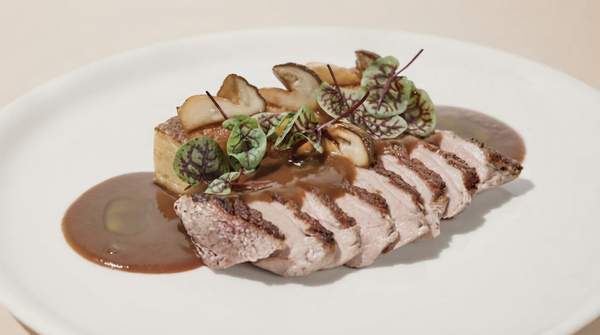
An exceptional fine dining experience is not defined by its price tag but by the deliberate integration of three pillars: culinary execution, disciplined service, and a designed sensory environment. Industry guides describe fine dining exactly this way—as the fusion of culinary excellence, service discipline, and environmental design into an immersive, memorable occasion. The practical value for the diner is that each pillar produces concrete, observable signals you can watch for during the meal itself, turning you from a passive guest into a discerning evaluator.
Beyond Expense: Defining Exceptional Fine Dining
The Michelin Guide's own inspectors frame fine dining as something larger than the plate. In their published reflections on the experience, they describe it as "anticipation and theatre, intuition and trust," where the rustle of a starched napkin and the clink of fine cutlery set the stage before the first course arrives. That framing matters for evaluation: if the experience is theatre, then every element—from the greeting to the lighting—is a deliberate production choice, and each can be judged as such.
This is also why expense alone is a poor proxy. A restaurant can charge premium prices while prioritizing volume over craft, and the signals of that trade-off are visible if you know where to look. The three-pillar structure below gives you a way to separate the two systematically rather than relying on a single impression of "fanciness."
Pillar 1: Culinary Execution – The Art on the Plate
Culinary quality in fine dining is not simply a matter of expensive ingredients. The Michelin star system, as explained by the culinary school École Ducasse, evaluates restaurants on a strict set of standards: ingredient quality, flavors and cooking techniques, the chef's personality as represented in the dining experience, value for money, and consistency between inspectors' visits. Those criteria translate directly into what a diner can observe.
Watch for freshness and seasonality in the ingredients, and for technique that shows control rather than ornament. Then look for personality: does the menu express a distinct point of view, or could it belong to any high-end kitchen? Beverage execution belongs here too. Fine dining establishments typically employ in-house sommeliers whose role, as one restaurant guide puts it, extends beyond recommendations to guiding diners on a sensory journey through thoughtful pairings—including, in modern practice, craft cocktails and non-alcoholic options.
Pillar 2: Service Discipline – The Unseen Choreography
Service is the element most diners underestimate until they experience it done correctly. One premium dining guide identifies a specific operational metric: premium service standards call for taking the initial drink order within five minutes of seating. That single timing tells you a great deal about the kitchen's and floor's operational discipline, and it is something you can time yourself.
Beyond timing, look for attentiveness paired with discretion—service that anticipates needs without hovering. A hospitality training guide describes the standard as welcoming guests with professionalism, anticipating needs, and executing each service step with precision and grace. Personalization is the next tier: restaurants that remember diner preferences or acknowledge special occasions are demonstrating a commitment to tailoring the experience to the individual guest, which distinguishes memorable service from merely correct service.
Pillar 3: Sensory Environment – Crafting the Atmosphere
The environment is a designed variable, not a backdrop. Fine dining rooms typically feature refined decor, subdued lighting, and high-end furnishings arranged to create a sense of indulgence and sophistication. The design choices extend to scent: one guide notes that a subtle, neutral scent profile keeps a room feeling refined rather than institutional.
Seating itself shapes the experience. Michelin inspectors note that where you sit changes the tone of a meal—from the pace of service to the emotional temperature—with a chef's counter offering front-row observation of the kitchen while a quiet corner offers intimacy. For evaluation, the guide offers a practical pre-booking test: check photographs for table spacing and lighting fixtures. Closely packed tables under bright overhead lights are, in its assessment, a reliable signal that the restaurant prioritizes volume over quality.
Your Fine Dining Evaluation Framework
Use this matrix during and after a meal to assess each component against observable quality signals. The analytical operation is simple: for each pillar, note whether the specific signal was present, absent, or somewhere in between, and use that record—rather than a general impression—to judge the experience.
| Pillar | Observable Signal | Impact on Experience |
|---|---|---|
| Culinary Execution | High-quality, fresh, seasonal ingredients | Foundational to flavor and dish integrity; an explicit Michelin evaluation criterion |
| Culinary Execution | Mastered technique plus a distinct chef's personality in the menu | Moves the meal beyond technical skill into artistic expression |
| Service Discipline | Initial drink order taken within five minutes of seating | A concrete timing signal of operational discipline |
| Service Discipline | Attentive, discreet service that anticipates needs; personalization such as remembered preferences | Creates a seamless, tailored experience rather than a merely professional one |
| Sensory Environment | Deliberate lighting, decor, table spacing, and a neutral scent profile | Builds the "theatre" and anticipation that frame the meal |
| Intangible Elements | Storytelling—dishes presented with narrative or thematic context | Transforms a sequence of courses into a memorable emotional arc |
| Intangible Elements | Consistency across visits combined with visible evolution | Indicates a restaurant refining itself rather than resting on a formula |
Applying the matrix is what separates an expensive meal from an exceptional one. A restaurant may score well on ingredients and lighting yet fail the five-minute service test, or execute flawless service while serving food with no discernible point of view. The framework makes those gaps visible and articulable.
The Intangibles: Elevating a Meal to a Memory
Modern fine dining has, in the words of one industry guide, moved beyond technical execution into emotional territory, with many high-end restaurants incorporating experiential elements like chef-diner interaction and thematic storytelling to deepen connection. A dish might arrive with the story of the fisherman who caught it, or a course might be plated to evoke a specific landscape—moments that create emotional anchors long after the flavors fade.
Michelin inspectors describe the same threshold from the evaluator's side. One defines the ideal as food that "evokes memory, uses the finest ingredients, and surrounds you with service that's warm, seamless, and deeply attentive." Another points to evolution as the decisive test: "If I find myself thinking, 'I can't wait to see what they do next,' that's the sign of a place evolving." Consistency matters too—chef and reviewer Sam Gowing's dining checklist holds that consistency, not perfection, is the hallmark of outstanding hospitality, and that one exceptional service does not make a great restaurant.
Making Informed Judgments: The Mark of a Discerning Diner
To truly appreciate and evaluate a fine dining experience, observe and assess the specific signals of quality within culinary execution, service discipline, and sensory environment rather than relying on general impressions or the bill as a proxy for quality. The measurable indicator of success is simple: the diner can articulate specific reasons for an experience's excellence or shortcomings, referencing concrete details from each pillar—the timing of the first drink order, the freshness of an ingredient, the spacing of the tables, the story attached to a course. A diner who can say precisely why a meal succeeded or fell short has moved from consuming fine dining to genuinely understanding it.
Sources
- Fine Dining Etiquette: A Guide to Rules and Best Practices — Escoffier
- What Makes a Premium Dining Experience: Full Guide — Els Pescadors
- GUIDE
- Understanding the Michelin star rating system — École Ducasse
- Fine Dining 101: The Principles Behind Exceptional Dining Experiences — Via Allegro
- Fine Dining Success: Mastering the Upscale Guest Experience — Itsacheckmate
- How to rate a restaurant — Chef Sam Gowing


