What are Slow Food Movement principles and their impact on culinary practices?

At this moment, the Slow Food movement has cataloged 5795 unique food products teetering on the brink of extinction.

CR
Camille Rousseau

April 20, 2026 · 4 min read

A diverse group of people sharing a slow, communal meal in a sunlit Italian piazza, surrounded by fresh produce and artisanal goods.

At this moment, the Slow Food movement has cataloged 5795 unique food products teetering on the brink of extinction. This extensive cataloging effort, according to Slow Food, unveils a silent crisis in global culinary biodiversity. The sheer scale of this impending loss solidifies the movement's vital role in safeguarding unique tastes and traditional foodways, shaping culinary practices for 2026 and beyond.

The Slow Food movement has demonstrably preserved thousands of endangered food products. Yet, its status as a true, widespread social movement remains a subject of academic debate. This dichotomy reveals a fascinating disconnect between concrete conservation triumphs and theoretical sociological definitions.

The movement's tangible impact on biodiversity and local food systems is undeniable. Its broader cultural transformation, however, remains a niche rather than a mainstream phenomenon. This quiet, focused preservation, often overlooked, carves out a deeper, more lasting change than widespread, noisy activism.

More Than Just a Meal: Defining Slow Food

Carl Honore, in Hail the Snail: Hegemonic Struggles in the Slow Food Movement, questions if Slow Food truly qualifies as a social movement. This academic scrutiny, rather than diminishing its work, reframes the conversation: perhaps its profound influence lies not in mass mobilization, but in its quiet, persistent cultural infiltration.

Slow Food champions good, clean, and fair food, forging a direct connection between eaters and the origins of their meals. This core philosophy actively cultivates local economies and sustainable agricultural practices. Its principles transcend simple consumption, embracing deep cultural and ecological values to actively resist the bland homogenization of global food systems. The implication is clear: a truly "slow" approach demands a re-evaluation of our entire food ethos, not just our dinner plates.

The Silent Guardians: How Slow Food Preserves Culinary Heritage

The movement acts as a silent guardian, meticulously identifying the 5795 unique food products teetering on extinction, a number Slow Food itself reveals. Their proactive approach involves not just cataloging, but actively nurturing these at-risk products, supporting their cultivation and encouraging their consumption.
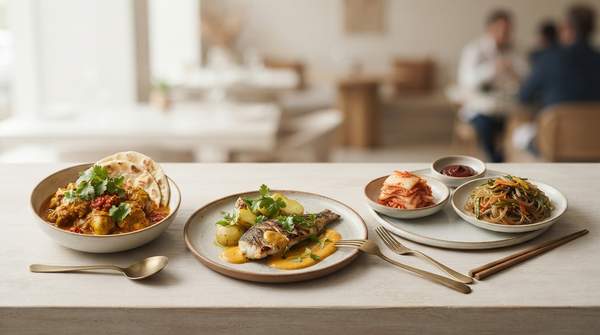
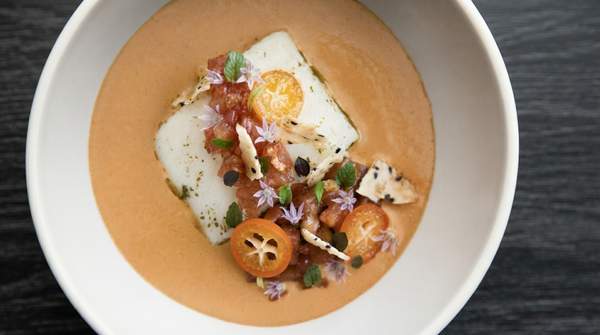
This vital work unfolds through initiatives like the Ark of Taste, a living catalog of endangered foods, and Presidia projects, which directly empower producers of these traditional ingredients. Beyond mere preservation, the movement cultivates consumer awareness, sparking demand for these unique flavors. This intricate web of identification, support, and education ensures that the rich tapestry of our culinary past does not unravel, but instead thrives, offering a tangible link to our heritage with every bite.

Why a Slower Plate Matters in a Fast World

In a world hurtling towards culinary uniformity, Slow Food offers a vital counter-narrative to industrial agriculture. It champions local, sustainable food systems, breathing life into health, ecological balance, and the vibrant tapestry of cultural richness. This is not just about food; it's about reclaiming a deeper connection to the earth and our communities.

This commitment cultivates resilience within local communities, safeguarding the traditional knowledge woven into food production. Consumers gain access to a spectrum of diverse, intensely flavorful, and often more nutritious foods. The movement’s unwavering focus on regional specialties actively reinforces cultural identity, ensuring that the unique culinary whispers of a place are not silenced by the roar of globalization. The true implication is that a slower plate is a more robust, more authentic plate, capable of nourishing both body and soul against the tide of the fast-food world.

Your Questions About Slow Food, Answered

What is the history of the Slow Food Movement?

The Slow Food movement began in Italy in 1986, sparked by Carlo Petrini's protest against a McDonald's opening near Rome's Spanish Steps. What started as a defense of local food traditions against the encroaching tide of fast food quickly blossomed. The organization rapidly expanded its scope, embracing the broader, urgent issues of food biodiversity and sustainability, recognizing that the fight for taste was a fight for the planet itself.

How has the Slow Food Movement influenced modern cooking?

Slow Food has profoundly reshaped modern cooking, reigniting a passion for regional ingredients and time-honored preparation methods. Chefs now actively seek out Ark of Taste products or forge collaborations with local Presidia projects. This dedication cultivates a vibrant culinary landscape where unique, heritage ingredients are not just preserved, but celebrated, weaving their stories into contemporary dishes and enriching both restaurant menus and home kitchens with authentic flavor.

What are the benefits of the Slow Food Movement?

Beyond its cultural and environmental stewardship, the Slow Food movement delivers tangible economic benefits directly to small-scale producers. By meticulously cultivating demand for specific, often rare, local products, it breathes life into traditional farming and artisanal practices. This direct market connection empowers producers to flourish within a system often overshadowed by industrial giants, securing stable incomes and revitalizing the very fabric of rural communities.

Despite ongoing academic debates regarding its classification as a widespread social movement, Slow Food's meticulous cataloging of 5795 endangered food products solidifies its role as an indispensable force for preservation. This quiet dedication, exemplified by initiatives like the Ark of Taste, suggests that if its focused efforts continue, the rich tapestry of global food culture—from the ancient Sicilian black pig to the vibrant Peruvian ají amarillo pepper—will likely continue to thrive, defying the pressures of homogenization well beyond 2026.