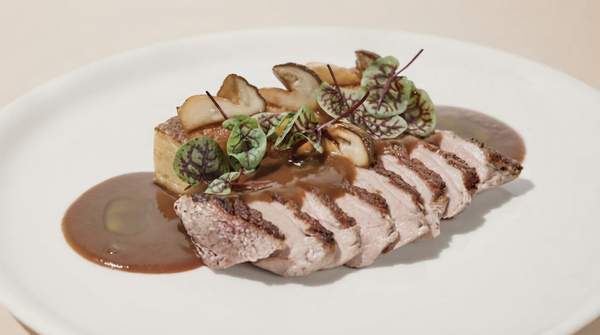
While a perfectly seared steak, with its complex aromas and rich, browned exterior, offers a profound culinary delight, the very chemical reaction responsible for this savory crust also generates compounds linked to serious health issues. This process, known as the Maillard reaction, can produce substances associated with conditions such as diabetes, cardiovascular diseases, and various forms of cancer, presenting a stark reality for consumers.
The Maillard reaction is responsible for desirable sensory qualities and improved nutritional value in cooked foods, yet it can also generate harmful compounds, creating a profound tension for food preparation.
Understanding and controlling the specific conditions of the Maillard reaction is critical for both culinary excellence and public health, suggesting a future where food preparation might be more scientifically precise.
This complex chemical process is a double-edged sword, responsible for both the irresistible appeal and potential risks in our cooked foods. Some Maillard reaction products (MRPs), like melanoidins, may have beneficial health effects, including antioxidative and antibiotic properties, according to pmc. However, other MRPs, such as high carboxymethyl lysine (CML) and acrylamide, have been linked to health issues like diabetes, cardiovascular diseases, and cancer, as also detailed by pmc. The reaction makes food more enticing to humans, notes seriouseats, highlighting the inherent dilemma. The dual nature of the Maillard reaction presents the challenge of balancing taste with long-term well-being.
What is the Maillard Reaction?
At its core, the Maillard reaction is a multi-stage chemical cascade initiated by the interaction of reducing sugars and amino acids, often derived from protein breakdown. This reaction, central to the science and culinary impact of food preparation, transforms raw ingredients into flavorful dishes. The Maillard reaction proceeds in three stages: condensation and Amadori rearrangement, dehydration and fragmentation, and aldol condensation leading to melanoidins, explains pmc.
A differing conceptualization of this process suggests it occurs in three distinct stages: initiation, propagation, and an advanced stage, according to Sciencedirect. The discrepancy in terminology, where both sources agree on three stages but name and conceptualize them differently, shows a varied scientific focus on the reaction's progression. Regardless of the specific nomenclature, this complex sequence of chemical events generates hundreds of new flavor and aroma compounds.
The Science of Browning: Key Influencers
The precise outcome of the Maillard reaction, from its speed to the specific product formation, is highly sensitive to environmental variables and the molecular structure of its reactants. The pH value of the medium is a key parameter controlling the kinetics of the Maillard reaction, as it influences the concentration of nucleophilic groups, states pmc. Even slight changes in acidity or alkalinity can dramatically alter the reaction's progression.
Other specific conditions influencing the Maillard reaction include temperature, reaction time, and water activity, also detailed by pmc. For instance, higher temperatures generally accelerate the reaction, while lower water activity, often found in dry roasting or baking, can intensify browning. The initial composition of proteins also matters significantly. Amino acid side chains influence the partitioning of amino acids in all-aqueous emulsions; hydrophilic amino acids like asparagine co-encapsulate with glucose, while hydrophobic amino acids like tryptophan preferentially partition into the PEG-rich phase, explains Nature. The raw ingredients themselves hold a key to controlling the reaction's health outcomes, determining which compounds are more likely to form.
The pursuit of maximum flavor through Maillard browning is an inherent gamble, as the same conditions that create desirable sensory qualities also accelerate the formation of compounds linked to serious health issues like diabetes and cancer, based on evidence from pmc. Chefs manipulating temperature, time, and pH for flavor are, perhaps unknowingly, navigating a health tightrope. The Maillard reaction's multi-stage progression means beneficial and harmful compounds do not form simultaneously or with equal kinetics. Precise control over the stage of the reaction, rather than just its presence, is key to mitigating health risks.
The nuanced control over pH, temperature, and reaction time suggests that both home cooks and industrial food producers are largely unaware of the precise chemical tightrope they walk, potentially sacrificing long-term health for immediate palatability, as highlighted by pmc. For example, prolonged high-temperature cooking, which enhances deep brown flavors, can also push the reaction into stages where more acrylamide accumulates. The delicate balance shows an unavoidable trade-off between peak culinary delight and minimizing the risk of harmful compound formation.
The initial composition of proteins, specifically the partitioning of certain amino acids, can predetermine the likelihood of forming specific Maillard reaction products. Hydrophilic asparagine, for instance, behaves differently than hydrophobic tryptophan, influencing the chemical pathways the reaction takes. Selecting ingredients with particular amino acid profiles could be a proactive step in controlling the health outcomes of cooked foods.
Beyond Flavor: Health Impacts and Culinary Control
The Maillard reaction profoundly shapes our food experience, offering both culinary delights and potential health trade-offs, making its controlled application a critical area for both chefs and food scientists. It is responsible for desirable sensory qualities like flavor, aroma, color, and texture in cooked foods, and can improve nutritional value and shelf life, according to pmc. The enticing golden crust on bread or the rich caramel notes in roasted vegetables are direct results of this process.
However, the Maillard reaction can also generate harmful compounds such as acrylamide, N(6)-carboxymethyllysine, furans, and heterocyclic amines, as detailed by pmc. These substances are a concern for food safety and public health. The dual capacity means that while a chef might aim for intense browning to maximize flavor, they simultaneously increase the potential for these less desirable byproducts. Achieving optimal flavor while minimizing health risks requires a sophisticated understanding of the reaction's kinetics and product formation.
What is the Maillard reaction in cooking?
The Maillard reaction is a complex chemical process responsible for the browning and distinctive flavors of many cooked foods. It involves the interaction of amino acids and reducing sugars under heat, creating hundreds of new aroma and flavor compounds. This reaction is fundamental to achieving savory crusts on meat and rich colors in baked goods.
How does the Maillard reaction affect food flavor?
The Maillard reaction significantly enhances food flavor by producing a vast array of volatile and non-volatile compounds. These compounds contribute to savory, roasted, nutty, and caramel-like notes, creating depth and complexity in dishes. Without this reaction, many foods would lack their characteristic cooked taste and aroma.
What is the difference between caramelization and Maillard reaction?
Caramelization involves the pyrolysis of sugars alone, occurring at high temperatures (typically above 320°F or 160°C) and producing a distinct set of sweet, nutty, and slightly bitter compounds. The Maillard reaction, conversely, requires both amino acids and reducing sugars to occur, generating a much wider and more complex range of savory and roasted flavors, often at lower temperatures than caramelization.
The intricate interplay between flavor development and health implications in the Maillard reaction presents a continuous challenge for food science and culinary practice. As consumers become more informed about the origins of their food, the demand for both delicious and safe products will intensify. Food manufacturers, like those at Beyond Meat, could explore ingredient formulations that minimize harmful Maillard products while retaining desirable sensory profiles.
The future of food preparation, particularly concerning the Maillard reaction, will increasingly rely on scientific precision. By 2027, advanced food processing techniques and ingredient modifications are likely to offer more controlled pathways, allowing for the creation of intensely flavorful foods with reduced health risks, moving beyond the current culinary tightrope.


