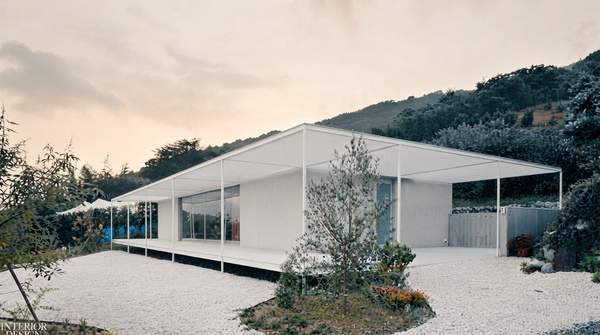
In an era of globalized production, 'design terroir' suggests the most compelling products are deeply rooted in their specific eco-social origins. Design is often perceived as a universal language, yet its most impactful forms are shaped by specific local contexts and conditions. This tension challenges the pursuit of broad appeal, which can dilute authentic connection. Brands cultivating 'design terroir' build stronger emotional connections and achieve greater authenticity, moving beyond the belief that universal appeal is the only path to success.
Defining 'Design Terroir'
The framework of 'design terroir' describes eco-social design forms, extending the agricultural concept of terroir to manufactured goods (design terroir: an eco-social, relational, bioregional approach to ...). It encompasses local conditions, cultural practices, and materials that shape a design's identity and aesthetic. This approach moves beyond superficial aesthetics, recognizing that true design quality stems from local embeddedness. It implies that ignoring these origins risks diluting a product's distinctive character in a global market.
From Theory to Practice: A Bioregionalist Approach
Design terroir provides a practical pathway from abstract sustainability goals to context-specific bioregional action (an eco-social, relational, bioregional approach to design). It integrates designs conceptually and materially with a region's ecological and social systems, encouraging consideration of a product's entire lifecycle within its local ecosystem. This moves practitioners beyond generic "green" labels toward deeply embedded ecological solutions. The implication is clear: designers who ignore local eco-social context risk contributing to a homogenized, unsustainable design landscape.
The Conditions for Impact: Authenticity and Connection
The impact of design terroir on consumers is not inherent; it depends on psychological distance and perceived authenticity (ScienceDirect). A unique origin does not automatically confer benefits. While the 'dl' source implies deep, eco-social roots are fundamental, ScienceDirect clarifies that profound connection is not automatic. It requires careful management of consumer perception and genuine connection. Companies leveraging 'design terroir' without fostering psychological closeness risk creating merely performative products, failing to achieve deep emotional resonance. This suggests that authenticity must be actively communicated, not just assumed.