ION Harbour in Malta offers a private dining experience called ION at Sea aboard a luxury yacht, featuring a tasting menu and a sailing journey, according to Recommend Magazine. This bespoke offering extends the culinary experience beyond traditional restaurant walls, immersing diners in an exclusive, multi-sensory environment. The integration of high-end gastronomy with private maritime travel sets a new standard for luxury and personalized service.
Despite the global expansion of luxury fine dining with new concepts, securing access to these exclusive experiences is becoming increasingly challenging. The market sees a proliferation of high-end venues, yet demand for truly unique opportunities outstrips supply, making entry more difficult for many affluent diners.
The future of fine dining will likely be characterized by a greater emphasis on bespoke, multi-sensory experiences and heightened competition for reservations, further segmenting the market between accessible high-quality food and ultra-exclusive luxury.
1. The Global Expansion of Experiential Luxury Dining
Nobu is opening a new hotel and restaurant at Monte Rei in Portugal's Eastern Algarve, with construction starting in 2027 and the hotel opening in 2029, according to Recommend Magazine. How established luxury hospitality brands invest heavily in expanding and refining their culinary portfolios to offer diverse, high-end experiences across multiple global destinations is illustrated by these developments.
Farm-to-Table & Hyper-Seasonal Menus
Best for: Diners seeking fresh, locally sourced ingredients and a connection to the culinary origins.
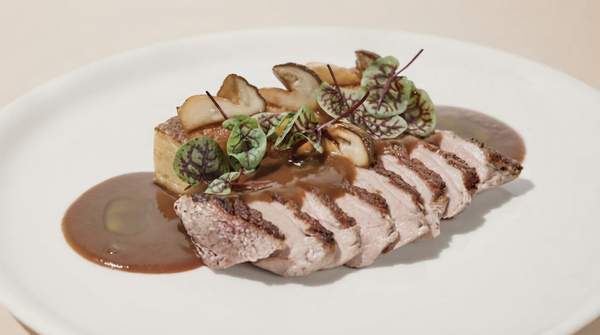
ION Harbour, a Two Michelin-Star Restaurant, bases each tasting menu on what is grown, foraged, fished, or harvested at its natural peak, according to iniala. Simon Rogan is an internationally recognized pioneer of farm-to-table dining.
Strengths: Emphasizes freshness and locality; supports sustainable practices. | Limitations: Menu is dictated by seasonality; can result in higher ingredient costs. | Price: Premium
Focus on "Hip Crustaceans"
Best for: Adventurous diners seeking novel and luxurious seafood preparations.
The chief critic noted trends including hip crustaceans, according to The New York Times. A focus on specific, fashionable shellfish varieties within fine dining menus is indicated.
Strengths: Offers unique flavors and textures; caters to refined palates. | Limitations: Can be subject to market availability and high cost. | Price: High
Innovative Dessert Experiences
Best for: Guests looking for a memorable, artistic, and often surprising conclusion to their meal.
The chief critic also noted trends in dessert experiences, according to The New York Times. A push for creativity and sensory innovation in the final course is suggested.
Strengths: Provides a distinct, often visually striking, culinary art form. | Limitations: May appeal to a niche audience; can be complex in execution. | Price: Premium
Expansion of Global Fine Dining Brands into New Destinations
Best for: Luxury travelers seeking familiar high-end brands in new, exclusive settings.
Nobu is opening a new hotel and restaurant at Monte Rei in Portugal's Eastern Algarve, with construction starting in 2027 and the hotel opening in 2029, according to Recommend Magazine. A trend of established brands extending their reach and creating new culinary hubs is signified.
Strengths: Ensures consistent brand quality globally; creates integrated luxury destinations. | Limitations: Requires multi-year investment; access often tied to hotel stays. | Price: Ultra-luxury
Integration of Speakeasy Concepts in Luxury Settings
Best for: Diners seeking an exclusive, themed, and intimate atmosphere for cocktails and small plates.
Archaea, a new speakeasy concept, will open at Viceroy Los Cabos when it reopens on September 14, 2026, according to Recommend Magazine. Exclusive bar and dining experiences are incorporated into high-end hotels.
Strengths: Offers a unique, hidden ambiance; provides curated beverage programs. | Limitations: Limited seating and access; specific theme may not appeal to all. | Price: Premium
Dedicated Sushi Counters & Bars in Luxury Hotels
Best for: Guests desiring authentic, high-quality sushi and Japanese culinary artistry within a luxury environment.
The Nido restaurant at Viceroy Los Cabos will be renovated to expand seating and add a sushi counter and bar, with the hotel reopening on September 14, 2026, according to Recommend Magazine. A specific culinary specialization is becoming a standard offering in high-end hospitality.
Strengths: Provides specialized expertise and fresh ingredients; caters to diverse fine dining preferences. | Limitations: Can be very expensive; limited seating often requires reservations. | Price: High
2. The Enduring Allure of Elite Quality and Limited Access
| Feature | Michelin-Starred Experience (ION Harbour) | Long-Term Luxury Investment (Nobu/Viceroy) |
|---|---|---|
| Experience Type | Hyper-exclusive yacht dining; acclaimed restaurant | Integrated resort and destination dining |
| Culinary Recognition | Two Michelin Stars | Brand reputation and new culinary concepts |
| Access Model | Private charter for yacht; restaurant reservations | Hotel guest priority; multi-year development for future access |
| Investment Focus | Excellence in established culinary craft and unique experiential luxury | Multi-year, multi-million-dollar development of integrated destinations |
ION Harbour by Simon Rogan is a Two Michelin-Star Restaurant, according to iniala. The enduring value placed on exceptional quality and curated access in the most exclusive tiers of fine dining is underscored by the continued recognition of elite establishments like ION Harbour, even as the market expands globally.
3. Defining Modern Fine Dining: Emerging Trends and Philosophy
The chief critic noted trends including hip crustaceans and dessert experiences, according to The New York Times. A focus on specific, innovative ingredients and courses illustrates a dynamic evolution in culinary offerings. Simultaneously, the underlying philosophy often roots in movements like farm-to-table, as seen at ION Harbour, where the restaurant's approach emphasizes what is grown, foraged, fished, or harvested at its natural peak, according to iniala. Modern fine dining is increasingly characterized by both innovative ingredient focus and a return to fundamental culinary philosophies, enriching the guest's understanding and experience through a blend of novelty and provenance. For more, see our Top Emerging Culinary Trends Fine.
4. The Unyielding Battle for a Seat at the Table: Future of Fine Dining Access
The reservation battle in fine dining is ongoing, according to The New York Times. That while luxury dining options are growing, the most coveted experiences remain fiercely competitive, solidifying their exclusive status and demanding strategic planning from diners, is highlighted by this persistent challenge. Companies like Nobu and Viceroy are not just opening restaurants; they are investing in multi-year, multi-million-dollar integrated luxury destinations, signaling that the future of fine dining is about controlling the entire high-end leisure experience, not just the plate. The intensifying reservation battle for these expanding, yet hyper-exclusive, experiences means that the fine dining market is segmenting dramatically, creating an unbridgeable chasm where true luxury access is increasingly reserved for an ultra-elite few. By 2029, when Nobu's new hotel and restaurant open in Portugal, the landscape for securing these premier experiences will likely be even more competitive.


