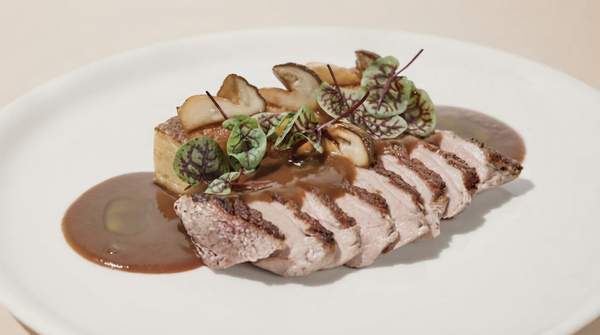
What if the most exquisite ingredient on your plate was not cultivated, but discovered? The philosophy of foraging-to-table cuisine rests on this very question, inviting diners to experience a narrative of place, season, and wildness. Foraging is a current trend in restaurants, moving beyond a niche practice to become an integrated feature of modern fine dining. Chefs across the globe are incorporating wild-sourced ingredients into their menus, offering a taste that is both ancient and profoundly contemporary. The recent publication of books like Chrissy Tracey’s 2024 guide, Forage & Feast, signals a growing public curiosity, a desire to understand the story that begins not on a farm, but in the untamed landscapes that surround us.
This movement represents a deeper engagement with our food systems, challenging the conventions of agriculture and distribution. It is a return to a more elemental way of eating, one that demands a heightened awareness of the natural world. For the diner, it offers an unparalleled sensory experience—a flavor profile that is fleeting, unpredictable, and impossible to replicate through cultivation. It asks us to consider the provenance of our food not just by region, but by the specific patch of forest floor, windswept coastline, or sun-dappled meadow from which it was gathered. Taste, in this context, is not merely a sensation; it is a narrative of survival, terroir, and the quiet, persistent pulse of the wild.
What Is Foraging-to-Table Cuisine?
Foraging-to-table cuisine is a culinary philosophy centered on sourcing, preparing, and serving wild, uncultivated ingredients gathered directly from their natural habitats. It is an extension of the farm-to-table movement, but it bypasses the farm entirely. If farm-to-table is a conversation with a farmer, foraging-to-table is a dialogue with the ecosystem itself. It relies on the bounty of forests, fields, and shorelines, transforming what many might overlook—weeds, fungi, wild berries, and coastal plants—into the cornerstones of an elegant dining experience. The practice is defined by several core principles:
- Hyper-Locality and Seasonality: The menu is dictated not by supply chains, but by what the immediate environment offers at a specific moment. This could mean tender fiddlehead ferns in spring, wild mushrooms after an autumn rain, or tart sea buckthorn berries in late summer.
- Expert Knowledge: Successful and safe foraging requires profound botanical and ecological expertise. Chefs and foragers must be able to identify edible species with absolute certainty, understand their life cycles, and know which parts are palatable and when.
- Sustainable Harvesting: A central tenet is to gather ingredients responsibly, ensuring that the ecosystem remains healthy and regenerative. This means taking only a small portion of a plant, leaving root systems intact, and understanding the role each species plays in its environment.
- Unpredictable Creativity: Unlike the predictable yields of a farm, the forager’s basket is often a surprise. Food Tank reports that incorporating these fickle and time-sensitive ingredients requires chefs to exercise extra creativity and flexible planning.
The resulting dishes carry a unique signature of place. The minerality of a wild green, the earthy depth of a chanterelle, the bright acidity of a wild sorrel—these are flavors shaped directly by the soil, water, and air of a specific location. It is cuisine as cartography, mapping the landscape onto the palate.
The Philosophy of Foraging-to-Table Cuisine
Beyond the plate, foraging-to-table is animated by a rich and layered philosophy that touches on ecology, culture, and our relationship with the natural world. It stands in quiet contrast to the efficiencies of the industrialized food system, advocating for a slower, more intentional approach to sourcing and consumption. At its heart, the movement is a reclamation of knowledge and connection, an effort to re-establish a bond that has been attenuated by modern life.
One of the most powerful aspects of this philosophy is the fostering of a personal connection to the earth. Foraging requires an intimate and sensory engagement with the environment—the scent of damp earth, the texture of a leaf, the subtle shifts in light that signal a change in season. This practice, as some observers note, can spark a deeply personal relationship with the land. It transforms a generic "woods" into a specific pantry of flavors and textures. This connection also has a profound historical resonance. For many indigenous communities, foraging is not a trend but a foundational aspect of their existence and cultural identity. Food Tank notes that for Native Americans, wild harvesting is a traditional way of life, a practice of sustenance and stewardship passed down through generations. Similarly, the slow and sustainable principles of Adivasi cuisine in India, described by The Sentinel Assam as putting the "forest on the plate," reflect a deep-rooted tradition of living in harmony with wild ecosystems.
Sustainability is another cornerstone of the foraging philosophy. By sourcing ingredients from the immediate vicinity, the practice dramatically reduces food miles. According to a Forbes report on wild food, being "ultra-local" saves transportation costs and cuts back on the pollution associated with commercial agriculture. It also encourages biodiversity by placing value on a wide array of native plants, many of which are not part of conventional farming. This focus on indigenous produce and sustainable practices offers a model for a more resilient and less impactful food system, one that values the health of the ecosystem as much as the quality of the ingredient.
The Growing Popularity of Foraged Food
The allure of foraged ingredients has firmly taken root in the world of fine dining, with its popularity evident in the proliferation of dedicated restaurants, culinary tours, and media attention. This is not merely a rustic affectation but a serious culinary pursuit, attracting chefs and diners who seek authenticity and a unique narrative in their food. The experience of foraging itself has become a popular activity, a form of culinary tourism that immerses participants in the process of discovery.
Companies have emerged to guide this curiosity, blending education with gourmet experiences. One example is No Taste Like Home, an adventure tour company in Asheville, North Carolina, that specializes in wild food foraging. According to Forbes, the company partners with local restaurants to create package tours where guests first learn to identify and gather wild ingredients, then participate in preparing a meal with their harvest. These tours allow participants to hunt for up to thirty different mushrooms, fruits, and wild greens, creating a direct line from forest floor to dining table. The model's success demonstrates a clear public appetite for hands-on, educational food experiences that go beyond a simple restaurant meal.
This interest is mirrored and amplified in professional kitchens. A growing cohort of chefs worldwide has become evangelists for wild food, weaving foraged elements into their menus to add layers of complexity, freshness, and surprise. They work with professional foragers or develop their own expertise to bring rare and ephemeral flavors to their guests. This integration has helped elevate the perception of foraged ingredients from humble sustenance to luxury components, celebrated for their unique terroir and fleeting availability. The mainstreaming of this ethos is further cemented by publications like Chrissy Tracey’s Forage & Feast. This 264-page hardcover book, a first edition published in 2024 according to its listing on Prairie Edge, provides recipes using wild plants and mushrooms, making the once-arcane knowledge of foraging accessible to a broader home-cooking audience. This transition from the exclusive realm of fine dining to the home kitchen signals the trend's maturation and its potential for lasting cultural impact.
Why Foraging-to-Table Matters
In a world of increasing standardization, foraging-to-table cuisine matters because it champions the unique, the local, and the irreplaceable. It reminds us that taste is not a static quality to be engineered, but a dynamic expression of an environment. The aroma alone of a dish featuring wild garlic or chanterelles tells a story of a particular place and a particular moment in time—a story that cannot be replicated in a greenhouse or on a commercial farm. This movement reintroduces a sense of discovery and wonder to the act of eating, transforming a meal into an exploration.
The impact extends beyond the individual diner. By creating a market for wild, native plants, the trend encourages the preservation of the natural habitats where these species thrive. It provides a tangible economic incentive for protecting biodiversity and maintaining healthy ecosystems. For the reader, this trend offers a new lens through which to view their own surroundings. A walk in a local park or a drive through the countryside becomes an opportunity for observation, a chance to notice the edible landscape that is often hidden in plain sight. It encourages a shift in perspective, fostering a deeper appreciation for the complex natural systems that sustain us. It is a quiet revolution on the plate, one that connects us to the land, to history, and to a more authentic way of tasting the world.
Frequently Asked Questions
What is the difference between farm-to-table and foraging-to-table?
The primary difference lies in the source of the ingredients. Farm-to-table cuisine sources ingredients from local, cultivated farms, emphasizing a direct relationship with the farmer. Foraging-to-table cuisine takes this a step further by sourcing ingredients that are uncultivated and grow wild in natural habitats like forests, meadows, and coastlines. It involves gathering, not growing.
How do chefs ensure foraged ingredients are safe to eat?
Safety is paramount in foraging. Chefs who use wild ingredients typically have extensive botanical knowledge themselves or work closely with professional, certified foragers. These experts are trained to identify edible plants and mushrooms with 100% certainty, distinguishing them from toxic look-alikes. They also understand sustainable harvesting practices to ensure the safety of both the consumer and the ecosystem.
Is it legal to forage for food?
The legality of foraging varies significantly depending on location. Rules differ for public lands, national parks, and private property. In some areas, foraging for personal consumption is permitted, while in others it may be restricted or require a permit. It is essential to research and comply with all local, state, and federal regulations before gathering any wild food.
How can I try foraging myself?
For beginners, the safest way to start is with an expert. Consider joining a guided tour with a reputable company, such as the ones offered by No Taste Like Home in North Carolina. Investing in a well-researched, region-specific field guide or a comprehensive book like Forage & Feast is also a crucial first step. Never eat anything you cannot identify with absolute certainty.
The Bottom Line
Foraging-to-table cuisine is more than a fleeting restaurant trend; it is a meaningful shift toward a more sustainable, connected, and sensory dining experience. It champions the wild, unpredictable flavors of a specific landscape, reconnecting the act of eating to the rhythms of the natural world. To truly understand it, seek out a chef who speaks this language of the land or, with expert guidance, begin to explore the edible narrative of the world around you.