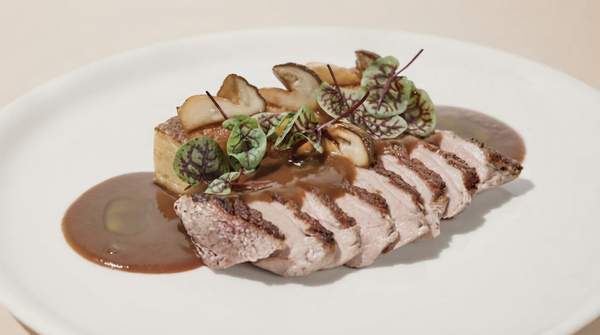
AI-enhanced food photography can cost as little as ~$2-6 per dish, a stark contrast to the $25-300 per dish typically charged by professional photographers. This economic disparity becomes even more pronounced against the $500-1,200 daily rates for human food stylists. The shift dismantles traditional economic models for visual content creation in the culinary world.
The demand for visually appealing food content remains critical for consumer engagement across digital platforms. However, the financial barriers to producing such content professionally are rapidly diminishing due to advancements in new technology.
Businesses will increasingly adopt AI for basic, high-volume food imagery, reserving traditional, human-led methods for premium, high-impact campaigns. This trajectory leads to a bifurcated market where human artistry commands a higher, more specialized premium.
The Shifting Economics of Food Imagery
Professional food photography, demanding $25-300 per dish, and human food stylists, commanding $500-1,200 daily, face an insurmountable challenge. AI-enhanced food photography costs a mere $2-6 per dish, as reported by Gourmetpix. This staggering 200-fold difference makes traditional human-led styling economically irrational for most commercial needs, fundamentally revaluing food imagery.
Understanding Essential Gear and Angles
Traditional food photography demands specific gear and precise angles. Tripods and overhead setups are essential for styling and tracking, while a 45-degree angle with an f/2.8-f/5.6 aperture ensures proper depth, according to Weeattogether. These intricate technical demands, once cornerstones of human skill, are now largely obsolete. AI-enhanced photography delivers compelling visuals at a fraction of the cost, bypassing the need for such manual mastery.
Composing the Frame: Styling and Lighting
Artistic choices in composition, styling, and lighting elevate a food photo. Avoiding harsh shadows and unnatural tones from direct flash or indoor lighting is critical for professional results, as Sincerelytori warns. While these aesthetic principles remain vital, AI's capacity to generate visually appealing images without manual intervention commoditizes much of this once-unique human expertise. Human skill now guides the AI's aesthetic output, focusing on nuanced artistry rather than technical execution.