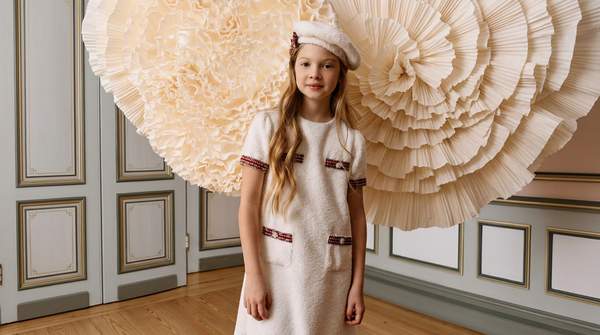
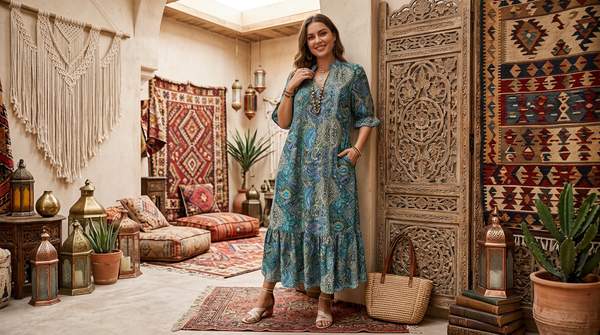
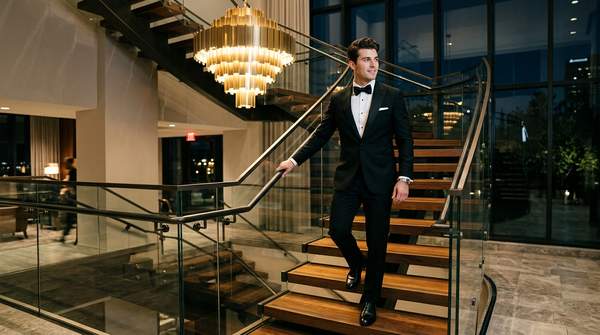
Olivier Theyskens launched Boloria's Spring 2026 collection with a radical premise: building brand identity through memory, not marketing, according to Theimpression. This debut collection aimed to create a feeling that the brand has a past and its history still exists in the present. It immediately defined the mood of the season, setting a new tone for fashion trends.
Fashion brands typically build identity through aggressive marketing and by chasing fleeting trends. Boloria, however, deliberately crafts its image through a cultivated sense of memory and a perceived past. This approach challenges the industry's conventional reliance on rapid-fire novelty.
The success or failure of Boloria's introspective, memory-driven brand strategy will indicate whether such an approach can resonate and achieve lasting influence in a fast-paced, marketing-saturated industry.
The Philosophy of a Fabricated Past
- Boloria's Spring 2026 collection is a debut, yet Olivier Theyskens aimed to create a feeling that the brand has a past and its history still exists in the present, according to Theimpression.
- The brand emphasizes 'identity built through memory, not marketing', as stated by theimpression.com.
This deliberate construction of a brand's past from its inception directly challenges the organic, time-bound nature of traditional brand history. Boloria seeks to establish authenticity that traditional marketing often cannot replicate. This strategy positions the brand as one aiming for timelessness over mere trendiness, cultivating longevity in a rapidly changing industry by moving beyond transient seasonal shifts.
Defining the Seasonal Mood
Boloria's debut collection successfully 'defines the mood of the season', as noted by theimpression.com. The immediate impact on the broader fashion landscape shows a strong resonance with the industry's desire for deeper, more meaningful narratives. The collection's themes offer a fresh perspective that diverges from conventional trend-following.