WOW!house 2026 Opens With Innovative Rooms Showcasing Future Luxury

At London's WOW!house 2026, 15 of the 22 featured rooms integrated advanced visual or audio tech systems, indicating a profound shift in luxury interior design, according to Architectural Digest . Thi

LB
Luca Bianchi

June 6, 2026 · 4 min read

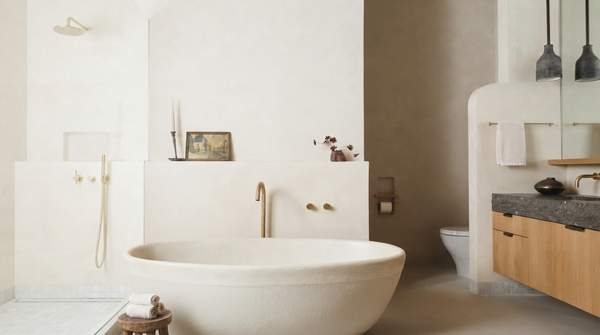
A luxurious and technologically advanced room at WOW!house 2026, showcasing the future of interior design with integrated smart systems.

At London's WOW!house 2026, 15 of the 22 featured rooms integrated advanced visual or audio tech systems, indicating a profound shift in luxury interior design, according to Architectural Digest. The significant incorporation of technology into the exhibition's innovative rooms demonstrates a growing emphasis on dynamic, sensory immersion over traditional static displays. The event, which opened its doors on June 2, features 22 immersive spaces, including one spectacular 'house' and a garden room, as reported by houseandgarden.

Interior design has long focused on tangible aesthetics and physical objects, yet WOW!house 2026 actively pivots towards intangible, technology-enhanced immersion. This transition challenges long-held industry conventions, where opulence was primarily defined by material possessions and static visual appeal.

The industry will likely see a surge in demand for designers and solutions that blend high-end aesthetics with sophisticated technological experiences, pushing the boundaries of what a 'room' can be. This redefinition suggests a future where luxury environments prioritize interactive and evolving sensory engagement.

The Rise of Tech-Integrated Immersion

Fifteen of the 22 rooms at WOW!house 2026 integrated visual or audio tech systems, showing a strong move towards immersive experiences in luxury design. The integration of visual or audio tech systems highlights technology as a core component, rather than an optional addition.

  • This year, 15 of the 22 rooms at WOW!house integrated visual or audio tech systems, according to Architectural Digest. The overwhelming prevalence of tech integration suggests technology is becoming the default medium for showcasing luxury.
  • Alex Dauley designed a curved, 3.5-meter-long sofa for her media room, as reported by Businessofhome. Such specific, large-scale furniture pieces often anchor technologically integrated spaces, offering both comfort and functionality.
  • Elicyon's Lalique Home Bar spans approximately 20 square meters, according to houseandgarden. The 20-square-meter scale of Elicyon's Lalique Home Bar indicates a focus on dedicated, experience-driven zones within luxury homes, moving beyond simple decorative elements.
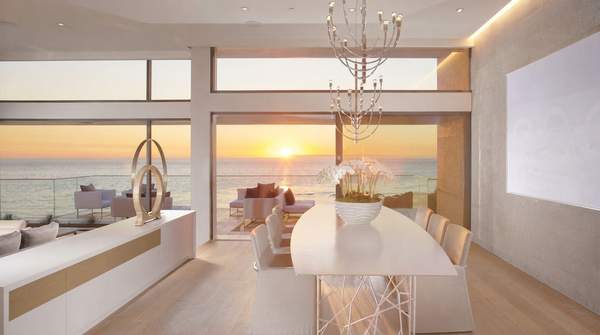
The combination of extensive tech integration and highly customized pieces demonstrates a clear trend towards personalized and interactive luxury spaces. The emphasis on 'immersive spaces' implies that the 'experience' itself, rather than individual decor items, is becoming the ultimate luxury product, forcing designers to become curators of sensory environments.

A Hub of Global Collaboration and Scale

The 2026 WOW!house exhibition features 22 rooms designed by international talent and partner brands, according to Architectural Digest and houseandgarden. Businessofhome reports 23 rooms. The minor discrepancy in reporting on the number of rooms suggests a lack of precise, unified reporting on the exact scale of the exhibition, which could subtly impact the perception of its overall scope.

The event itself hosts over 130 showrooms, as reported by Businessofhome. The presence of over 130 showrooms provides a platform for numerous brands to showcase their offerings. Furthermore, over 600 brands participate in the WOW!house event, according to Businessofhome. The participation of over 600 brands highlights the event's significant role as a commercial and networking hub.

The sheer number of rooms, showrooms, and brands involved underscores the exhibition's role as a major industry platform for showcasing collaborative innovation. The exhibition's scale points to a commercial imperative for traditional brands to adopt experiential technology to remain relevant in a rapidly evolving luxury market, merging old-world craftsmanship with new-age digital experiences.

Crafting Unique Narratives Through Design

Darren Price designed a garden folly facade inspired by 18th-century chinoiserie, featuring Athena lanterns and Hector Finch's verdigris finish, according to Businessofhome. Darren Price's intricate design exemplifies the blend of historical inspiration with contemporary execution that defines many of the exhibition's unique spaces.

Despite the push towards immersive tech, the inclusion of historically inspired elements like this chinoiserie facade and traditional furniture pieces indicates a nascent struggle between old-world craftsmanship and new-age digital experiences. The nascent struggle between old-world craftsmanship and new-age digital experiences suggests a merging of digital and physical realms, rather than a complete overthrow of traditional aesthetics. Designers are tasked with mastering both historical references and technological advancements.

The coexistence of historically inspired designs with pervasive tech integration indicates a critical inflection point: luxury design is not merely adding technology, but fundamentally merging digital and physical realms, creating a new hybrid aesthetic that demands designers master both. The merging of digital and physical realms allows for unique narratives, where historical depth meets futuristic interaction.

The Future of Luxury Interior Environments

Based on Architectural Digest's report that 15 of 22 rooms integrated visual or audio tech, luxury interior designers who fail to embrace experiential technology risk becoming obsolete. The industry rapidly redefines opulence through immersive environments rather than static objects. The rapid redefinition of opulence through immersive environments necessitates a re-evaluation of design education and practice.

The coexistence of historically inspired designs, such as Darren Price's 18th-century chinoiserie facade, with pervasive tech integration indicates a critical inflection point. Luxury design is not merely adding technology; it is fundamentally merging digital and physical realms. The fundamental merging of digital and physical realms creates a new hybrid aesthetic that demands designers master both traditional craftsmanship and advanced technological systems.

The integration of digital and physical realms implies that the 'experience' itself, rather than individual decor items, is becoming the ultimate luxury product. Designers must now curate sensory environments, balancing tactile beauty with dynamic digital interactions. Brands that embrace this blend of bespoke craftsmanship and technological sophistication are likely to thrive.

By 2026, firms like those featured at WOW!house that prioritize this hybrid design approach will likely lead the market. Leading firms will include companies that develop integrated visual and audio systems specifically for high-end residential and commercial spaces, focusing on seamless user experiences.

What are the key trends in interior design for 2026?

Key trends for 2026 center on dynamic, technology-driven sensory immersion, moving away from purely static aesthetics. Designers are focusing on creating immersive experiences where visual and audio technology plays a significant role, blending with bespoke craftsmanship and historically inspired elements.

Where is the WOW!house 2026 exhibition being held?

The WOW!house 2026 exhibition is being held in London, specifically at the Design Centre, Chelsea Harbour. This venue serves as a major hub for showcasing luxury interior design and collaboration.