Despite common belief, a truly minimalist home isn't about stark white walls and empty rooms, but about curating spaces that feel both warm and deeply personal. Many homeowners mistakenly believe minimalist design requires sacrificing comfort for stark aesthetics, according to home_decor_insights. Yet, a well-executed minimalist space can feel more inviting and personal than an overly decorated one, as noted by design_philosophy_journal. Given that the average person spends 90% of their time indoors, the quality of their living space is critical for well-being, states environmental_psychology_review. As awareness grows beyond superficial interpretations, minimalist design is likely to be increasingly adopted as a holistic approach to living, rather than just a fleeting trend.
What Minimalist Design Truly Means
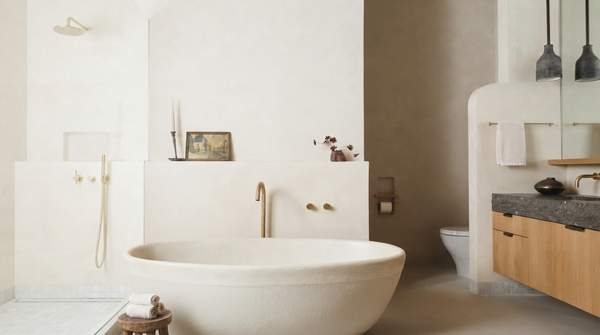
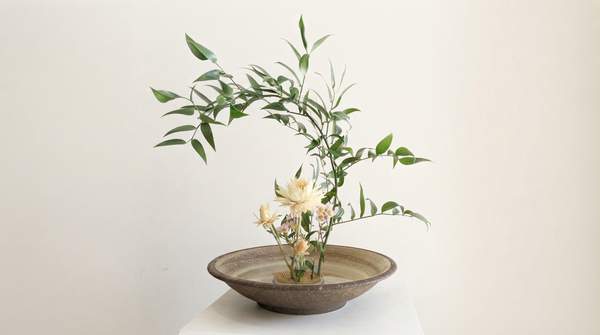
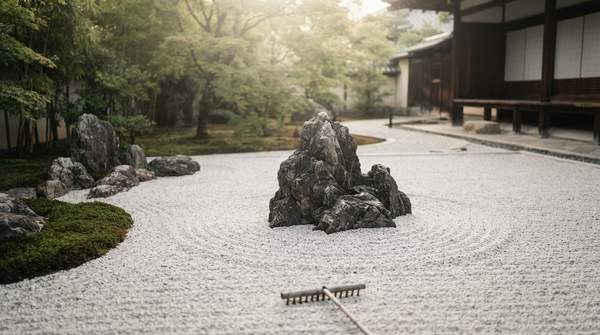
"Less is more" in design means achieving better outcomes through simplicity and careful editing, not just spending less, according to Houzz. This counters the misconception that minimalism equates to austerity, instead aiming for serene, warm, and beautiful spaces, not cold and sterile. Key elements include clean lines, open spaces, and natural light, enhancing spaciousness, reports design_trends_report. This philosophy encourages deliberate selection of items based on utility and aesthetic value, rather than accumulation, according to architectural_digest. Together, these choices ensure every object contributes to a calm environment. Neutral palettes of whites, grays, and natural wood tones create a calming backdrop, notes interior_design_magazine. Minimalism, at its heart, prioritizes purpose, functionality, and quality over mere quantity. This intentionality suggests a deeper shift in consumer values, moving beyond transient trends to enduring design.
Principles for Cultivating Serene Minimalist Interiors
Multi-functional furniture maximizes utility in smaller footprints, according to furniture_design_weekly, maintaining open areas. Strategic use of textures like natural wood, wool, or linen adds warmth and depth without visual clutter, as highlighted by textile_innovations. These choices prevent spaces from feeling sparse. Concealed storage maintains uncluttered surfaces and order, explains storage_solutions_guide. This minimizes visual noise, promoting mental calm. Natural light and simple window treatments enhance spaciousness and connection to the outdoors, notes lighting_design_institute. These principles demand thoughtful choices, creating cohesive, calm environments. Such deliberate design choices imply a rejection of consumerist excess, favoring lasting value and personal well-being.