Apple products, under chief designer Jonathan Ive, revolutionized the electronic industry through simplicity. Their designs prioritized essential function over ornamentation. This approach resonated with consumers seeking clarity in increasingly complex technology.
Minimalist design is often seen as a superficial aesthetic, but its core tenets are deeply intertwined with ancient philosophies that promote practical sustainability and efficiency. This perception overlooks deeper roots.
As environmental concerns grow and consumers seek greater value, the practical and philosophical underpinnings of minimalist design will likely drive its continued adoption beyond mere trend, becoming a fundamental approach to living and creating.
What is Minimalist Design?
Minimalist design, defined by clean lines, a restricted color palette, and deliberate emptiness, systematically removes the unnecessary, leaving only essential elements (The Decision Lab). This reduction enhances clarity and user experience. By eliminating visual clutter, focus shifts to an object's primary purpose, fostering order and calm.
The emphasis on simplicity and function ensures designs are not just appealing, but practical. This approach cultivates a more mindful way of living and consuming. It implies a fundamental shift in design philosophy: from adding features to refining purpose. This sets a new standard for intuitive interaction, challenging industries to rethink complexity as a measure of value.
Beyond Aesthetics: Minimalism's Deep Roots in Sustainability
Minimalist principles extend beyond aesthetics, rooted deeply in Zen philosophy and practical sustainability. Zen's 'contentment in simplicity' aligns directly with the 'Reduce' principle, minimizing resource dependence and waste in production and consumption (study on Zen aesthetic style in furniture design). This philosophical stance actively redefines value, shifting it from quantity to essence.
The Zen principle of 'cherishing objects' fosters appreciation for fewer, well-chosen items, aligning with 'Reuse.' This naturally extends product life cycles, combating planned obsolescence. It promotes longevity in design and use, encouraging a deeper bond between user and object.

Finally, Zen's assertion of 'impermanence and continuous cycles' mirrors the 'Recycle' principle. Designers are prompted to consider a product's entire life cycle, from conception to repurposing. Minimalist design, through these alignments, offers a holistic framework for product development, integrating recycling inherently, not as an afterthought. This approach elevates minimalism from a mere style to a profound philosophy, shaping a more sustainable future by influencing every stage of a product's existence.
Minimalism's Influence on Product Design and Consumer Value
Apple products, under chief designer Jonathan Ive, revolutionized electronics through simplicity (designwanted). This focus on essential elements drove significant market dominance, proving philosophical minimalism translates into perceived efficiency and reduced clutter in both user interfaces and physical forms. Apple's success confirms that a design ethos prioritizing intrinsic value and ease of use over excessive features resonates deeply with consumers, establishing a new paradigm for technological desirability.
The market's embrace of Apple's simple designs reveals a subconscious draw to products embodying Zen's 'cherishing objects.' Demand for longevity and reduced waste, rather than fleeting trends, signals a profound shift in consumer preferences. Companies adopting these principles will meet evolving desires for sustainable, meaningful, and enduring products, fostering deeper user-object connections. This implies a future where design success hinges on thoughtful reduction, not feature proliferation, redefining brand loyalty through purpose.
Why Minimalist Principles Drive a Circular Economy
Minimalist design is often superficially defined by aesthetics: clean lines, restricted palettes, emptiness (Adorno). Yet, this view misses its profound philosophical depth. The tension between this aesthetic perception and its deeper roots in Zen philosophy is crucial. While Adorno describes the visual, Giorgio Armani's influence on minimalist architecture (Bloomberg) reveals principles that directly align with 'Reduce,' 'Reuse,' and 'Recycle.' This positions minimalism as a direct driver for practical, sustainable outcomes, beyond mere trend.
Companies embracing minimalist design, whether consciously or not, adopt ancient Zen principles that foster profound sustainability. The link between 'contentment in simplicity' and the 'Reduce' principle, as shown by the study on Zen aesthetic style in furniture design, positions these entities as leaders in a truly circular economy. This approach fosters product longevity and responsible consumption, moving beyond linear production models. Prioritizing essential function and durability encourages a conscious relationship with material goods, making "less is more" an economic imperative for both producers and consumers, signals a fundamental reshaping of value creation and consumption.
How did minimalist design influence modern architecture?
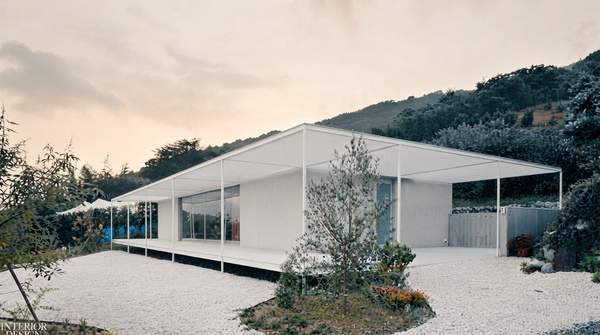
Minimalist design profoundly influenced modern architecture through stripped-down forms, open spaces, and natural light. Architects adopted clean lines and functional layouts, prioritizing structural integrity and material honesty. Giorgio Armani, for instance, left a significant legacy, shaping spaces with refined, understated elegance (Bloomberg). This enduring impact suggests a timeless appeal for environments that prioritize clarity and purpose over embellishment, fostering a sense of calm and focus within urban landscapes.
Who are the key figures in the history of minimalist design?
Key figures in minimalist design include Jonathan Ive, known for revolutionary product designs at Apple, and legendary fashion designer Giorgio Armani. Armani's influence, extending to minimalist architecture, demonstrates that simplicity and functionality achieve lasting impact across diverse design disciplines. Their work proves that thoughtful reduction can define an era.
If consumer demand for authentic value and environmental responsibility continues its trajectory, minimalist principles, exemplified by brands like Apple, will likely drive an industry-wide shift towards more thoughtful and sustainable production models by 2026.