While often perceived as starkly minimalist, the sophisticated Japanese aesthetic of 'Iki' expresses opulence and wealth through effortless, sleek design, not overt display. This challenges Western interpretations, revealing a depth in traditional Japanese interiors beyond mere austerity. Western understanding often equates Japanese design with extreme minimalism, yet its foundational principles embrace both rustic simplicity and subdued displays of wealth. A widespread misinterpretation is highlighted by this tension. Engaging with Wabi, Sabi, and Iki reveals a timeless framework for creating harmonious, resonant spaces, moving beyond fleeting trends.
Beyond Minimalism: The Core Philosophies
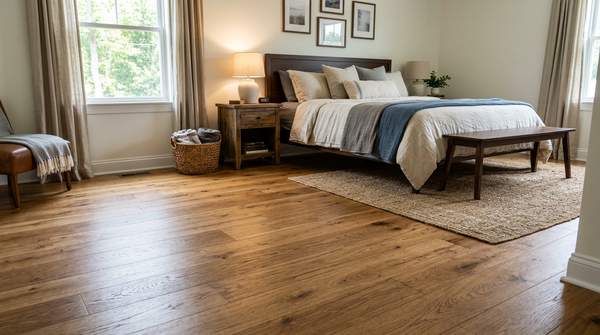
The Japanese aesthetic of 'Iki' signifies subdued opulence, expressed in effortless, sleek design, as noted by Pioneer Millworks. This refines the Western idea of luxury. Wabi, conversely, embraces rustic, aged beauty through organic materials like wood or metal. Sabi complements Wabi, focusing on imperfect design, often with simple asymmetrical choices. Together, these principles form a sophisticated interplay of understated elegance, natural imperfection, and profound simplicity. This framework offers a comprehensive aesthetic language, proving Japanese design is far more than mere tidiness.
The Interplay of Imperfection and Understated Luxury
The core principles of Wabi and Sabi interact to create visually rich environments. Wabi's rustic, aged beauty often pairs with Sabi's natural imperfection, valuing authenticity over pristine perfection. This fosters calm resilience. The balance between Wabi's earthiness and Iki's subdued opulence reveals the complexity of Japanese aesthetic thought, guiding design choices. Spaces become both grounded and subtly luxurious, challenging the notion of monolithic simplicity. Designers who equate Japanese aesthetics solely with austere minimalism overlook a sophisticated path to understated luxury, as Pioneer Millworks highlights regarding 'Iki.'
Nature's Embrace: Materials and Form
Natural materials are integral to Wabi and Sabi, linking design to environment and time. Wood, bamboo, stone, and natural fibers are foundational, not just decorative, imbuing spaces with organic harmony. Their inherent textures and imperfections are celebrated. Rough-hewn timber or textured plaster walls reflect Wabi; asymmetrical arrangements or aged pottery speak to Sabi. This deliberate choice is philosophical, grounding design in nature and time's beauty. It fosters living environments that evolve, gaining character over years.