A functional capsule wardrobe typically contains 50-70 items, with seasonal capsules often comprising around 20 pieces. A functional capsule wardrobe challenges the common belief that such a collection implies extreme minimalism, instead encompassing clothing, accessories, and shoes for varied occasions. While a capsule wardrobe promises to simplify daily life and reduce decision-making, it simultaneously demands consistent maintenance and adaptation to remain effective.
This inherent tension lies at its core: many individuals adopt a capsule wardrobe for its initial benefits but fail to sustain it without understanding the necessary ongoing commitment. This often leads to frustration rather than lasting simplicity. The perceived ease of a simplified closet often overshadows the continuous effort required for thoughtful selection, rotation, and replacement of garments, an ongoing engagement that truly unlocks its benefits.
What Exactly Is a Capsule Wardrobe?
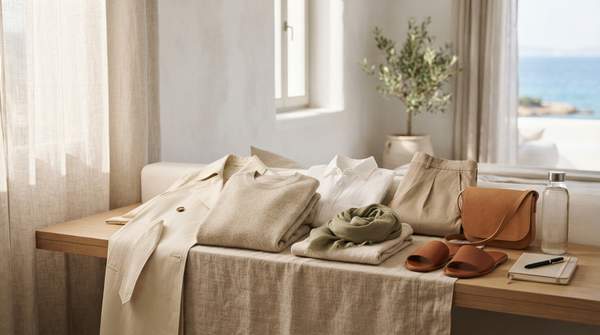
A capsule wardrobe is a curated collection of interchangeable clothing. It allows for a multitude of outfits from a limited selection. Its structure often relies on modules: 2 pairs of pants, 3 tops, 1 outer layer, and 1 pair of shoes, according to Themomedit. This concept transcends mere quantity, prioritizing quality, fit, and a cohesive color palette for maximum versatility.
While modules offer a framework, successful implementation demands careful consideration of personal style and lifestyle. This ensures the wardrobe serves its purpose, rather than becoming a restrictive set of garments. The implication is that a capsule wardrobe is not a rigid formula, but a personalized system.
The Daily Payoff: How a Capsule Wardrobe Saves You Time
A smaller, well-organized wardrobe significantly saves time when dressing, according to Theslowlabel. Reducing choices streamlines the morning routine, freeing mental energy for more critical decisions. This immediate benefit drives many to adopt the system. The diminished daily decision fatigue allows for a more focused start, shifting attention from clothing to other priorities. This psychological advantage contributes to a greater sense of calm and efficiency, an often-underestimated aspect of wardrobe simplification.