While a full fashion collection can overwhelm with 20 to 100+ styles, a capsule collection typically distills a brand's essence into a mere 4 to 30 versatile pieces. A stark contrast in volume signals a fundamental re-evaluation of how fashion brands present their offerings in 2026. Discerning consumers, often lost in the deluge of seasonal drops, find focused capsule collections a compelling, clear alternative.
Traditional fashion thrives on extensive seasonal drops, often relying on broad appeal and diverse trends. However, a growing segment of the market is embracing the focused, versatile offerings of capsule collections. The tension between volume and intentionality defines a critical juncture for the fashion industry.
As consumer values shift towards conscious consumption and practicality, capsule collections are poised to become an increasingly strategic and impactful offering for fashion brands and a preferred choice for many shoppers.
What Are Capsule Collections?
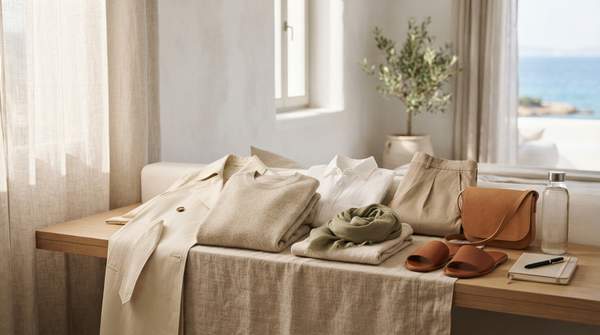
A capsule collection, inherently concise, sees its size interpreted differently across the industry. Necesera suggests 10 to 30 pieces, while jogiel states it typically includes four to eight styles. Regardless of precise count, these collections consistently feature a cohesive theme or aesthetic, often centered on a specific color palette or inspiration, as noted by necesera. A notable discrepancy in piece count reveals a market still defining its terms, offering brands the opportunity to either set a new standard or strategically leverage this ambiguity.
Capsule vs. Full Seasonal: The Core Distinctions
The philosophical underpinnings of fashion collections diverge significantly between capsule and full seasonal offerings. Tegmade defines a capsule as a tightly edited set, typically five to ten garments, focused on clarity and representing a brand's core, not mere quantity. Necesera adds that these pieces are designed for inherent versatility, allowing effortless mixing and matching. This contrasts sharply with full collections, which prioritize expansive breadth and trend-following. The core distinction, then, lies in strategic intent: full collections cast a wide net, while capsules champion a concise, versatile, and brand-defining aesthetic.