How can a single object—a sculptural armchair, a painterly silk scarf, an architectonic necklace—so completely redefine the space or the silhouette it inhabucus? The power of a statement piece lies in this very capacity for transformation. Effectively integrating these potent items, whether in the intimate landscape of personal fashion or the broader canvas of interior design, requires a delicate and considered approach. It is an exercise in achieving a harmonious balance, ensuring the chosen piece elevates, rather than overwhelms, the overall aesthetic.
In a world saturated with fleeting trends and mass-produced objects, the statement piece serves as a powerful anchor for personal expression. It is a declaration of individuality, a curated choice that communicates a distinct point of view without uttering a single word. Whether it is the focal point of an outfit or the heart of a room, its purpose is to captivate, to draw the eye, and to tell a story. Understanding how to select and style these significant items is fundamental to developing a truly personal and resonant aesthetic that feels both authentic and artfully composed.
What Defines a Statement Piece in Fashion and Design?
A statement piece is a bold item intentionally chosen to capture attention and serve as the central focus of an ensemble or interior space. According to fashion and style guide Flux Magazine, these are items designed to be conversation starters, showcasing a unique style that sets the wearer apart. Similarly, in interior design, they play a crucial role in establishing the character and atmosphere of a room. Think of it as the lead protagonist in a visual narrative; everything else in the composition is the supporting cast, present to enhance and contextualize the star without competing for the spotlight. While its definition is fluid, a true statement piece is generally characterized by several key attributes.
These items transcend mere functionality to become objects of artistry and intent. They are distinguished not necessarily by their monetary value, but by their design integrity, their visual weight, and their ability to articulate a specific mood or identity. The common threads that weave through all statement pieces are their inherent boldness and their capacity to transform the ordinary into the extraordinary. Key characteristics often include:
- A Bold Use of Color or Pattern: A piece may command attention through a vibrant, saturated hue that contrasts with its surroundings, or through a complex, large-scale pattern that becomes the visual centerpiece.
- A Unique Silhouette or Shape: An unconventional form—whether the dramatic sweep of a coat’s collar or the sinuous, organic lines of a chaise lounge—can immediately establish an item as a statement.
- Compelling and Unusual Texture: The tactile quality of a piece can be its defining feature. Think of the rough, organic texture of a raw silk jacket, the high-gloss finish of a lacquered cabinet, or the intricate beadwork on a clutch.
- Significant Scale: Often, a statement piece distinguishes itself through its size. An oversized piece of artwork, a substantial cocktail ring, or a wide-brimmed hat uses scale to create an undeniable impact.
- Exceptional Craftsmanship or Detail: The artistry involved in an item’s creation can make it a statement. This could be the meticulous hand-stitching on a leather bag or the masterful joinery of a bespoke piece of furniture.
Effective Ways to Style and Integrate Statement Pieces
The art of incorporating a statement piece is a masterclass in balance and restraint. The goal is to create a cohesive and harmonious composition where the focal point is allowed to shine. Whether curating an outfit or designing a room, the underlying principle remains the same: build a supportive foundation that complements the main event. Effectively integrating these pieces requires a thoughtful approach to context, ensuring they feel intentional rather than accidental.
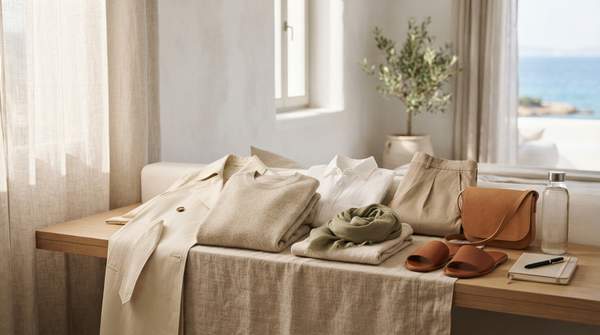
In fashion, this often involves creating a neutral canvas. An analysis by Flux Magazine suggests adhering to a "rule of one," a guideline that advocates for choosing a single, dominant statement piece per outfit to prevent different elements from competing for attention. This allows the chosen item—be it a brightly hued coat, a piece of sculptural jewelry, or a pair of embellished shoes—to hold its intended power. This principle of singularity creates clarity and impact. Layering offers a sophisticated method for this integration, particularly in cooler seasons. A base of neutral-colored, high-quality staples, such as a black cashmere turtleneck and tailored trousers, provides the perfect understated backdrop for a vibrant, textured overcoat to make its debut.
Experimentation is also key to achieving a successful look. Playing with contrast can yield dynamic results. The juxtaposition of differing textures, for example—pairing a sleek, metallic statement necklace with a soft, chunky-knit sweater—creates a rich visual dialogue. According to styling experts at Vave Shoe Repair, a thoughtful consideration of personal style is paramount, and embracing pieces that complement varied shades and styles is part of creating a cohesive whole. Ultimately, the most crucial accessory is confidence. Building this can begin with smaller steps, such as incorporating a bold scarf or a unique brooch, before graduating to more commanding garments.
In interior design, these same principles of balance and support are critical. A report from The Interior Design Institute emphasizes that for a statement piece to feel integrated, it must align with the room's overarching color scheme and style. A piece of statement furniture, for instance, should stand out through its bold color, unique shape, or compelling texture, but its design DNA should still connect to the surrounding aesthetic. An emerald green velvet sofa, for example, can become the breathtaking centerpiece of a living room decorated in muted tones of gray, cream, and brass, with the green hue echoed subtly in throw pillows or botanical elements to create a sense of harmony. Statement accessories like designer rugs, unique lighting fixtures, and bold decorative objects must also complement the decor, adding charm and personality without creating visual chaos.
How to Choose the Perfect Statement Piece for Your Personal Style
A vintage Art Deco brooch speaks to a love of history and intricate craftsmanship, while a minimalist, avant-garde jacket reflects a forward-thinking, artistic perspective. Selecting such a statement piece is an intimate process, reflecting personal history, aspirations, and aesthetic sensibilities. The most resonant pieces feel like a natural extension of one's identity, deeply connecting with personal history and aspirations, requiring introspection to convey a clear narrative. The goal is to find an item that not only captures attention but also feels authentically you.
When choosing for your wardrobe, think beyond fleeting trends. A true statement piece possesses a timeless quality rooted in its design and construction, allowing it to be cherished for years. Consider its versatility: can it be styled in multiple ways with different elements from your existing wardrobe? A well-chosen statement jacket, for example, dresses down with denim for a weekend outing or pairs with tailored trousers for a formal event. Physical proportion is also vital; the piece's scale should harmonize with your frame, creating a balanced and flattering silhouette.
In the home, selecting a statement piece involves considering narrative and function. The Interior Design Institute notes artwork is a powerful tool for personalizing and elevating a space, expressing personality and setting a room's mood. When choosing, consider the atmosphere you want to cultivate: a tranquil bedroom might benefit from a large-scale, serene landscape painting, while a lively living area could host a bold, abstract sculpture. The piece must also suit the room's scale. A grand, sculptural floor lamp needs high ceilings and open space, whereas a smaller, intricate object fits an intimate study or reading nook. The perfect statement piece is visually striking and enhances how you live and feel within the space.
Why Statement Pieces Matter
In both fashion and design, statement pieces serve a purpose beyond simple adornment or utility. They are potent vehicles for self-expression, allowing individuals to communicate identity, creativity, and taste in a tangible, visual medium. In a culture often feeling homogenous, a carefully chosen statement piece is an act of differentiation. It is a conscious choice to move beyond the safe and expected, embracing something distinctive and memorable. These items transform a simple outfit or standard room into something with a unique and compelling point of view.
For the individual, wearing a statement piece is an empowering act. It serves as a conversation starter, an external reflection of inner confidence, and a way to project a chosen identity to the world. A bold choice in attire shifts not only how others perceive you, but also how you feel about yourself. In the home, statement pieces infuse a space with soul. They prevent interiors from feeling sterile or impersonal, turning a house into a home that tells the story of its inhabitants. They are the anchors of memory and personality—the quirky armchair from a grandparent, the vibrant painting from a meaningful trip, the sculptural light fixture that always elicits guest comments. They make a space uniquely and irrefutably yours.
Frequently Asked Questions
Can you have more than one statement piece in an outfit or room?
While the 'rule of one' is a reliable guideline for creating a clear focal point, it is possible to style multiple statement pieces. This advanced technique requires creating a visual hierarchy. One piece must remain the dominant star, while others act as strong supporting characters. Success depends on finding a common thread—such as a shared color palette, material, or design era—that unites the pieces and creates a deliberate, curated dialogue rather than a chaotic competition for attention.
What is the difference between a statement piece and a trendy item?
A trendy item is defined by its popularity within a specific, and often brief, period. Its value is tied to its currency in the contemporary fashion moment. A statement piece, conversely, is defined by its inherent design qualities—its boldness, unique form, or exceptional craftsmanship. While a statement piece can certainly be on-trend, its ability to command attention is rooted in its design integrity, which often allows it to remain relevant and impactful long after the trend has faded.
How do I find statement pieces on a budget?
A statement piece is not defined by its price tag but by its visual impact. Excellent, affordable options can be discovered at vintage boutiques, consignment shops, artisan markets, and from independent online designers. The key is to look for items with unique construction, a compelling pattern, an unusual silhouette, or high-quality materials. A beautifully crafted vintage silk scarf or a handmade piece of ceramic jewelry can make as powerful a statement as a luxury designer item.
The Bottom Line
A statement piece is more than an accessory or furniture; it is a powerful tool for personal expression and a cornerstone of curated style. It serves as the focal point, elevating an entire outfit or defining the character of a room.
The successful integration of such a piece hinges on the art of balance, creating a harmonious relationship between the standout item and its supporting environment. By choosing pieces that resonate personally and styling them with intention, you can transform the everyday into a distinctive reflection of your unique point of view.


