Australian Fashion Week (AFW) 2027 projections show influential trends like elegant fringing and lived-in leather, according to Refinery29. This early glimpse into future trends shows fashion's forward-looking yet profoundly cyclical nature.
Fashion constantly pushes towards future trends, but its most defining silhouettes and aesthetic principles are deeply rooted in historical innovations. The industry presents newness, yet underlying structures often echo foundational designs from decades, even centuries, past.
The longevity of future fashion trends will depend on their ability to subtly reference or boldly reinterpret past masters. True innovation in silhouettes often re-imagines rather than invents, a truth seen in history's most influential collections.
1. The Enduring Legacy of Iconic Silhouettes
Christian Dior’s 1947 New Look redefined the female form. It reintroduced archaic elements like corsets and petticoats, according to artsandculture. This proved that impactful 'innovation' can be a regression to historical forms, profoundly influencing subsequent formalwear.
Cristóbal Balenciaga's technical mastery and sculptural forms influenced all subsequent fashion. He explored volumes by combining, reducing, and shifting elements in single outfits, achieving new lines through innovative manufacturing, as noted by artsandculture. This technical foundation unlocked vast aesthetic possibilities, setting standards for haute couture construction.
Vetements transformed modern streetwear and luxury fashion. It challenged design standards with oversized silhouettes and reimagined everyday garments, elevating the hoodie to a luxury item. The brand continues to dominate conversations in 2026, according to Wochenblatt Reporter. This approach shows how contemporary trends appropriate and recontextualize established forms, popularizing deconstructed styles in mainstream fashion.
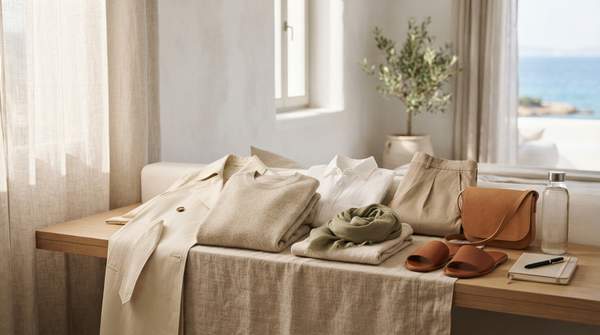
Future Trends Echoing Past Masterpieces
| Trend/Collection | Key Characteristic (2027) | Historical Echo/Precedent | Design Implication |
|---|---|---|---|
| Elegant Fringing | Fine and weightless to razor-cut skirting, subtle western texture | Art Deco flapper dresses (1920s), Western wear detailing | Adds movement and texture; can evoke nostalgia or modern fluidity |
| Lived-In Leather | 'Old money polish', 'hardworking uniform' aesthetic for liveability | Vintage leather jackets (1950s), equestrian wear, utilitarian garments | Conveys heritage and comfort; blurs lines between new design and appropriation |
| Sheer Looks | Translucent fabrics, layering for depth | Romantic era gowns (18th-19th c.), 1990s minimalism | Offers subtle sensuality; emphasizes silhouette through transparency |
| Funnel-Neck Silhouettes | High, structured necklines | 1960s Space Age fashion, Victorian era collars | Creates a dramatic, elongated profile; suggests modernity or historical grandeur |
AFW projections show a sophisticated re-imagination of classic elements. Even future-forward fashion remains deeply informed by historical precedents. The embrace of 'lived-in leather' and 'subtle western texture' in fringing suggests future trends not only reinterpret historical forms but actively manufacture heritage, blurring the line between new design and nostalgic appropriation.
How We Define Enduring Influence
To identify truly influential collections, we prioritize designs introducing novel silhouettes or pioneering manufacturing techniques, not mere aesthetic variations. Enduring influence is measured by long-term impact on subsequent designers and ability to shape foundational principles. This approach distinguishes genuine contributions from fleeting trends, highlighting only designs with verifiable historical resonance.
The Enduring Cycle of Fashion
From Dior's 1947 corsets to future 'old money polish' leather, historical elements constantly re-emerge. The fashion industry often perfects nostalgic appropriation, selling a curated past as the future. While Refinery29 notes future 'forward-looking yet cyclical nature,' Dior and Balenciaga show the cyclical aspect dominates. 'Forward-looking' elements are often sophisticated re-imaginations, not genuine novelty.
Balenciaga's manufacturing innovations influence all subsequent fashion, even enabling future 'fine and weightless' fringing. True progress in fashion is often technical and invisible. Aesthetic 'trends' are surface-level variations on established structural possibilities. Therefore, the lasting impact of future collections will likely stem from their ability to reinterpret foundational designs with fresh technical ingenuity, rather than simply presenting new aesthetics.
Your Questions on Fashion's Evolution
How do designers reinterpret historical forms for contemporary fashion?
Designers reinterpret historical forms through various techniques, including deconstruction, where garments are taken apart and reassembled, or by manipulating scale and proportion, such as with oversized silhouettes. They also utilize modern fabrics and construction methods to give traditional shapes a new feel, making them relevant for today's consumer without losing their historical essence.
What role do manufacturing advancements play in shaping new fashion trends?
Manufacturing advancements are crucial, as they enable designers to execute complex ideas that might have been impossible historically. Innovations in textile technology, such as sustainable fabric development or advanced weaving techniques, allow for new textures and drapes. Digital printing and seamless knitting also open up possibilities for intricate patterns and forms, directly influencing the silhouettes and aesthetics seen in new collections.
How can consumers distinguish between genuine innovation and nostalgic appropriation?
Consumers can distinguish genuine innovation by looking for fundamental changes in garment construction, new material applications, or a truly novel approach to how clothing interacts with the body. Nostalgic appropriation often focuses on surface-level aesthetics or direct replication of past styles, whereas true innovation offers a fresh perspective that redefines functionality or form in a lasting way beyond mere trend cycles.


