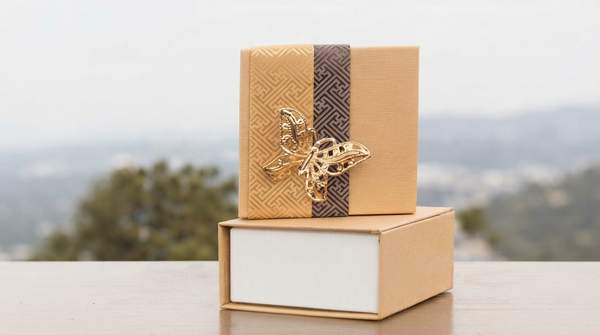
On China's massive Tmall platform, domestic leather goods labels like Songmont now outsell established global rivals, signaling a profound shift in consumer preference and market power. Chinese bag brands are challenging the luxury market in 2026. Foreign shoppers are also increasingly purchasing local designer and tech products in China, a reversal from previous trends where Chinese consumers shopped overseas, according to Global Times.
Chinese brands are rapidly gaining market share and pricing power in the luxury segment. However, the very top end of the traditional luxury market remains largely untouched by these new competitors.
As Chinese brands continue to innovate and expand their global reach, they are likely to reshape the accessible luxury landscape, forcing traditional brands to either adapt or cede significant market share.
The New Standard of 'Made in China'
The 'Made in China' label is transforming from a mark of mass production to a symbol of innovative design and high-quality craftsmanship, attracting international consumers. Domestic brands leverage advanced manufacturing and sophisticated design, offering premium products that compete on quality and aesthetics, dispelling old perceptions. For example, some products feature high-quality natural mulberry silk threads, according to Sinocultural. China's sophisticated industrial upgrading and complete supply chain, once a source for manufacturing foreign goods, now enable domestic brands to achieve superior quality and design, commanding pricing power globally, according to Global Times.
Pressuring Accessible Luxury with Value
Chinese handbag brands pressure the accessible luxury market, according to Jing Daily. They deliver comparable or superior quality and aesthetics at competitive price points, offering compelling value. Their integrated supply chains and design prowess allow them to directly undercut established global rivals, forcing a re-evaluation of value propositions. Songmont's outperformance on Tmall, as reported by Jing Daily, underscores an existential threat to established accessible luxury brands from agile Chinese competitors. These brands, mastering both design and supply chain, force a strategic pivot or risk obsolescence.