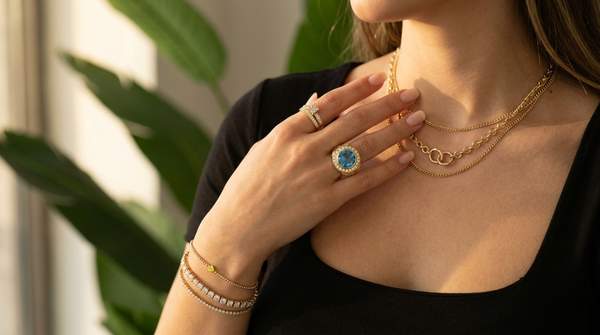
In 2026, consumers increasingly turn from new, mass-produced items, seeking pieces with decades, even centuries, of history. The shift redefines consumer values, moving beyond aesthetics to embrace narrative and provenance in adornments.
Demand for unique, historically significant jewelry surges, but the mainstream market adapts slowly. Traditional jewelers, focused on contemporary designs, struggle to meet this growing appetite for heritage.
The jewelry industry will see a sustained shift towards valuing heritage and craftsmanship, pushing retailers to invest more heavily in vintage collections and historically inspired designs.
The Allure of Ages Past: Why Vintage is Now Vogue
Consumers actively bypass traditional retail, seeking family heirlooms or secondhand pieces. Who What Wear reports this preference for intrinsic value over manufactured newness.
Baker's Jewelry notes increased customer interest in estate and vintage styles for 2026, favoring pieces with history and craftsmanship, per FinancialContent. Sustained demand, confirmed for engagement rings and milestone gifts by Press Advantage, signals a fundamental shift: consumers value provenance and narrative over newness.
Beyond the Numbers: The Qualitative Shift
- Provenance over Novelty – Consumers now prioritize narrative over newness, as seen in the turn to heirlooms and secondhand markets (Who What Wear). This leaves traditional jewelers, focused on new inventory, at a disadvantage.
- Historical Styles Gain Traction – Baker's Jewelry reports increased interest in estate and vintage styles for 2026, showing a broad shift from purely contemporary designs.
- Fragmented Market Response – While specialized players invest in historical pieces, a cohesive industry-wide pivot is less evident. This creates a gap for diverse vintage options.