In the heart of Milan, Marco Valente is quietly building a new workshop projected to boost its accessory production by 30% within the first year, an aggressive push into a fiercely competitive luxury market.
Marco Valente is expanding its production capabilities to meet growing demand, but this rapid scaling could challenge its long-standing commitment to exclusive, handcrafted luxury.
Marco Valente's expansion into Milan, while strategically sound for market capture, will likely test the brand's ability to maintain its artisanal integrity and premium pricing in an increasingly mass-produced luxury landscape.
The Milan Workshop: A Hub for Growth
- The new facility is located in Milan's historic Quadrilatero della Moda district.
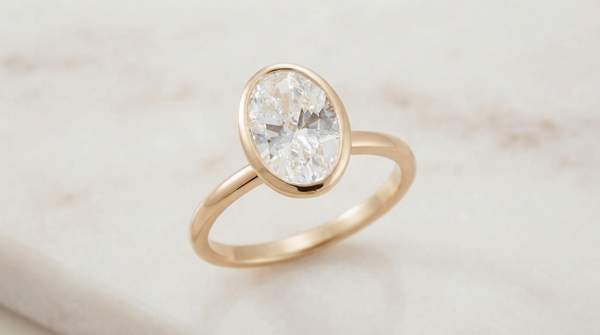
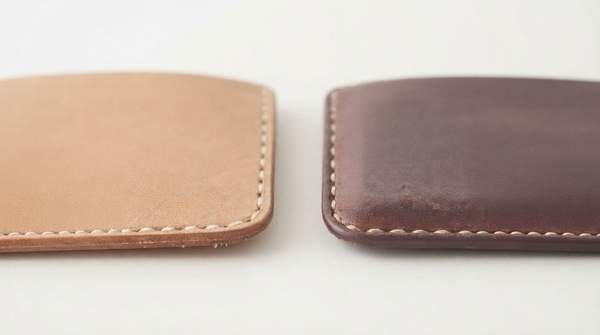
- It will increase production capacity for key accessory lines, including leather goods and jewelry.
- The workshop will employ traditional handcrafting techniques alongside advanced machinery.
- Production output is projected to rise by 30% in the first year.
This expansion aims to scale operations, but risks diluting the brand's artisanal heritage by integrating machinery into a traditionally handcrafted process.
Shifting Market Dynamics and Brand Strategy
The global luxury accessories market is forecast to grow by 8% annually through 2027, according to Bain. This growth is driven by increasing consumer demand for transparent sourcing and artisanal quality, particularly among younger demographics, as reported by Fashion Business Review. Marco Valente aims to shorten its supply chain and improve responsiveness, supporting new international distribution.
Despite Marco Valente's strong sales, competitor 'Boutique Elegance' gained market share using semi-automation, even with a perceived dip in exclusivity, indicating a luxury market segment prioritizes availability over absolute artisanal purity, a segment Marco Valente currently overlooks. The market's rapid expansion creates a two-tiered demand: one for scarce artisanal quality, and another for branded luxury that prioritizes availability. Marco Valente must navigate this distinction to avoid diluting its brand equity.
The Competitive Landscape and Milan's Role
Milan offers a highly skilled artisan workforce, crucial for luxury production, and the 'Made in Italy' label commands a significant premium, according to Sphericalinsights. This allure has drawn major luxury conglomerates like LVMH and Kering to invest in expanding their Italian production. While Milan provides immense opportunities for collaboration and talent acquisition, it also exposes Marco Valente to fierce competition for both resources and market share.
Future Outlook: Opportunities and Challenges
The brand plans to introduce several new accessory collections in the next 18 months, leveraging the increased capacity. Challenges include managing increased inventory, complex global distribution, and maintaining exclusivity with higher production volumes.
A 30% production increase implies a need for at least 15 new master artisans. However, the 3-5 year training period and 1-in-10 hiring success rate reveal a critical bottleneck. This suggests Marco Valente will either compromise craftsmanship or fail to meet expansion targets. The brand's 70% gross margins stem directly from customer perception of 'exclusivity' and 'handcrafted quality'. Any perceived compromise in artisanal quality due to rapid scaling could disproportionately erode profitability, as customers pay a premium specifically for 'true artisanal craftsmanship'.
Marco Valente's aggressive 30% production increase, based on its artisan-dependent model, appears mathematically impossible without either drastically reducing quality standards or unprecedentedly accelerating artisan training, neither of which aligns with its brand promise. Artisanal brands like Marco Valente face an existential choice: either maintain slow, exclusive growth and cede market share to faster, less 'pure' luxury brands, or risk alienating core premium customers by compromising the handcrafted quality that justifies their high margins.
Therefore, Marco Valente's aggressive expansion, if not meticulously managed to preserve artisanal integrity, will likely test its premium market position against the inevitable pressures of mass production.
Your Questions Answered
How many jobs will the new Milan workshop create?
The new workshop is expected to create 50 new artisan and management jobs in Milan, according to a Marco Valente statement, covering various specialized crafts and operational oversight.
What are Marco Valente's commitments to sustainability in the new facility?
The brand confirms its commitment to ethically sourced materials and sustainable practices in the new facility, according to its Company CSR report, optimizing resource use and minimizing waste.
Will Marco Valente's expansion affect product pricing?
No immediate price adjustments are planned for existing product lines, according to a Marco Valente CEO interview. The company aims to maintain its current pricing structure while increasing availability.