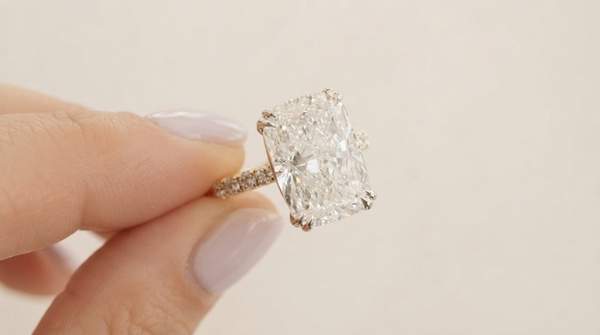
Proper jewelry care is essential for preserving a piece's integrity, yet a recent study from Jewelers Mutual revealed a surprising fact: only 1% of owners know how to correctly maintain their treasured items. An engagement ring worn while washing hands or a necklace left on a dresser seems innocuous, but these small habits contribute to the gradual loss of luster and potential for damage. The fine materials and intricate craftsmanship that define a beautiful accessory deserve a considered approach to maintenance, ensuring that a piece intended to last for generations can do so with its original brilliance intact.
What Is Proper Jewelry Care?
Proper jewelry care is a systematic routine of cleaning, storage, and maintenance designed to protect precious metals and gemstones from damage, degradation, and loss. It encompasses a set of best practices that mitigate the effects of environmental exposure, chemical reactions, and physical wear. This proactive approach is not merely about aesthetics; it is fundamental to preserving the structural integrity, sentimental significance, and financial value of each piece. By understanding the unique properties of different materials—from the softness of gold to the sensitivity of an opal—one can tailor a care regimen that prevents tarnish, avoids scratches, and keeps gemstone settings secure.
The core principle of this discipline is prevention. It involves creating habits that shield jewelry from harm, such as removing rings before applying lotion or storing earrings separately to prevent scratching. It also includes periodic, detail-focused actions like gentle cleaning to remove accumulated oils and professional inspections to identify potential issues like loose prongs before a stone is lost. Ultimately, a consistent care strategy ensures that a piece of jewelry remains a testament to design and personal history, rather than becoming a casualty of neglect. It is a triumph of form and function, where the owner's diligence becomes an integral part of the accessory's story.
How to Care for Jewelry: A Step-by-Step Routine
A consistent care routine is the most effective method for maintaining the beauty and longevity of your collection. The devil is in the details, and integrating these simple steps into your daily and monthly habits will yield significant results, preserving the sparkle and structural integrity of your most valued pieces.
- Step 1: Perform a Daily Wipe-Down
After each wear, make it a habit to gently wipe your jewelry with a soft, clean, and slightly damp cloth. According to guidance from jewelers at Borsheims, this simple action removes residual body oils, perspiration, and cosmetics that can accumulate on the surface. These substances can dull metals and gemstones over time. Follow the damp cloth with a soft, dry polishing cloth to restore luster. This two-part process takes only a moment but is the first line of defense against the slow buildup that obscures a piece's natural brilliance.
- Step 2: Practice Last-On, First-Off
Treat your jewelry as the final touch to your ensemble. This means putting it on after you have applied all lotions, perfumes, hairsprays, and makeup. Chemicals in these products can be corrosive or create a film on metals and stones, diminishing their shine. Conversely, your jewelry should be the first thing you remove at the end of the day. This minimizes exposure to the rigors of evening routines and prevents accidental snagging on clothing or bedding, which can damage delicate chains or settings.
- Step 3: Implement Proper Storage Solutions
How you store your jewelry is as important as how you clean it. Never toss pieces together into a drawer or dish. This is a primary cause of scratches, as harder gemstones like diamonds can easily abrade softer metals and other gems. Instead, store each item individually. Fabric-lined jewelry boxes with separate compartments are ideal. For necklaces, consider hanging them on a jewelry tree or using individual pouches to prevent the inevitable and often damaging tangles. As noted by the experts at WWAKE, soft gemstones like opals benefit from being stored in a dedicated cotton or microfiber pouch to protect them from both scratches and extreme temperature changes.
- Step 4: Conduct Regular At-Home Cleaning
For most jewelry, a periodic, gentle cleaning at home can restore its sparkle. Create a simple solution of warm water and a few drops of mild, ammonia-free dish soap. Submerge the piece for a few minutes, then use a very soft-bristled toothbrush to gently scrub away grime, paying special attention to the areas around settings where dirt accumulates. Rinse the item thoroughly under warm running water and pat it dry with a soft, lint-free microfiber cloth. It is crucial to ensure the piece is completely dry before storing it, as moisture can accelerate tarnishing, particularly in silver.
- Step 5: Schedule Professional Inspections
While at-home care is essential, it cannot replace the expertise of a professional. Jewelers Mutual recommends visiting a trusted jeweler for a professional inspection and cleaning at least twice a year. An expert can identify issues invisible to the untrained eye, such as a bent prong, a loose stone, or a weakening clasp. They use professional-grade steam or ultrasonic cleaners that safely remove deeply embedded dirt. This preventative maintenance is the best way to avoid the heartbreak and expense of losing a treasured stone or an entire piece.
Common Jewelry Care Mistakes to Avoid
Many well-intentioned owners inadvertently damage their jewelry through common, seemingly harmless habits. Understanding these pitfalls is crucial for long-term preservation. The same Jewelers Mutual study that highlighted a general lack of knowledge also pointed to specific behaviors that put cherished pieces at risk every day.
- Wearing Jewelry During Manual Tasks: Engaging in activities like gardening, exercising, or cleaning while wearing jewelry exposes it to harsh chemicals and physical impacts. Chlorine in pools can damage and discolor gold, while even mild household cleaners can harm porous gemstones. Hard knocks can chip a diamond or bend a ring's setting, compromising its integrity.
- Showering or Washing Hands with Rings On: The study found that over half of respondents do not remove their rings before showering. Soaps, shampoos, and conditioners can cause a grimy buildup on metals and stones, creating a dull film that is difficult to remove. Furthermore, soaps and hand sanitizers may contain ingredients that are harmful to certain materials. Cool water can also cause fingers to shrink slightly, creating just enough space for a ring to slip off and be lost down the drain.
- Using Harsh or Abrasive Cleaners: Never use toothpaste, baking soda, or other abrasive household products to clean jewelry. While they might seem effective at removing tarnish, they create microscopic scratches on the surface of metals like gold and silver. These fine abrasions accumulate over time, permanently dulling the finish. Always use a cleaner specifically formulated for jewelry or a simple solution of mild soap and water.
- Improper Storage: As mentioned, piling jewelry together is a recipe for disaster. Metals of different hardness will scratch each other, and delicate chains will inevitably become a tangled mess that is nearly impossible to undo without causing stress or breakage. Storing silver in the open air also accelerates tarnishing due to exposure to moisture and sulfur compounds.
Essential Maintenance Tips for Gemstone and Metal Jewelry
Beyond general care, different materials possess unique chemical and physical properties that demand specific attention. A one-size-fits-all approach is insufficient for a diverse collection. Understanding the nuances of each material is key to providing a level of care that ensures each piece retains its intended beauty. This piece redefines the category of a simple accessory, transforming it into a legacy item.
Precious metals, for instance, vary widely in their durability and reaction to the environment. According to Nelson Coleman Jewelers, gold is a durable but relatively soft metal that can scratch or dent with heavy wear, and it is particularly vulnerable to chemicals like chlorine. Silver, being even softer, is prone to tarnishing when exposed to air and moisture, requiring regular polishing and storage in anti-tarnish bags. Platinum stands apart as a highly durable and dense metal that resists tarnish; however, over time, it can develop a natural patina—a soft, matte finish—which some owners prefer but which can be polished away by a jeweler to restore its original high shine.
Gemstones require even more specialized care. Diamonds, while being the hardest natural substance on the Mohs scale, are not indestructible. They can chip or fracture if struck with sufficient force at the right angle, particularly along their cleavage planes. For cleaning, a soft toothbrush and a gentle, specialized cleaner are recommended. Other stones are far more delicate. Opals, for example, are famously sensitive to extreme or sudden temperature changes and should never be worn in a hot tub or shower. Emeralds are often treated with oil to fill internal fractures and enhance their clarity; for this reason, they should never be cleaned with steam or in an ultrasonic cleaner, as these methods can remove the oil and reveal the inclusions, altering the stone's appearance.
Frequently Asked Questions
How often should I get my jewelry professionally cleaned?
It is widely recommended to have your valuable jewelry professionally inspected and cleaned at least twice a year. Jewelers Mutual suggests this biannual check-up allows a professional to spot potential issues like loose settings or worn prongs before they result in a lost stone. This also provides a deep cleaning that restores brilliance more effectively than at-home methods.
Can I use household cleaners like Windex or toothpaste on my jewelry?
You should avoid using most household cleaners on your jewelry. Abrasive substances like toothpaste or baking soda will create micro-scratches on the surface of metals, leading to a dull finish over time. Harsh chemical cleaners can damage porous gemstones and may cause discoloration or deterioration of certain metals. The safest option is a solution of warm water and a few drops of mild, ammonia-free dish soap or a cleaner specifically formulated for fine jewelry, which experts at the Good Housekeeping Institute regularly test for performance and safety.
What is the best way to store necklaces to prevent tangling?
To prevent tangling, necklaces should be stored individually. The best methods involve hanging them vertically on a jewelry tree or stand. If you are using a jewelry box, use separate, long compartments for each chain. For travel or long-term storage, you can place each necklace in a small, individual soft pouch or even thread the chain through a straw and fasten the clasp to keep it straight.
Is it really that bad to wear my rings in the shower?
Yes, wearing rings in the shower is a significant risk. Soaps, oils, and conditioners can leave a dull film on your jewelry, diminishing its sparkle and requiring more frequent cleaning. More importantly, these products can accumulate in the intricate settings of a ring, potentially contributing to the deterioration of the metal over time. There is also the risk of the ring slipping off as your fingers become slippery with soap.
The Bottom Line
To ensure the lasting beauty and value of your jewelry, establish a consistent care routine. Mindful wear, gentle cleaning, and secure storage are key to preserving each piece's craftsmanship. Make it a daily habit to wipe down jewelry after wearing and store it correctly; these small, specific actions directly extend the brilliance and life of your accessories.