A replica of a 2,000-year-old Roman signet ring, once a rare find, now sells for $30 at a major online retailer, signaling a seismic shift in accessory trends. Sales of ancient Roman, Greek, and Egyptian-inspired jewelry surged 150% last year across major online retailers, reports Fashion Analytics Group. TikTok videos featuring 'ancient aesthetic' jewelry hauls garnered over 500 million views, according to Social Media Trends Report. This unprecedented popularity of historical jewelry styles creates a tension: mass-market accessibility risks diluting cultural significance and craftsmanship. Fast-fashion brands like Zara and H&M now dedicate collections to historical artifacts, from coin necklaces to scarab pendants, notes Retail Watchdog. The rapid mainstreaming of ancient jewelry aesthetics will likely force traditional luxury brands to adapt or lose market share to agile, historically-inspired competitors.
From Museums to Mainstream: The Rise of Historical Adornment
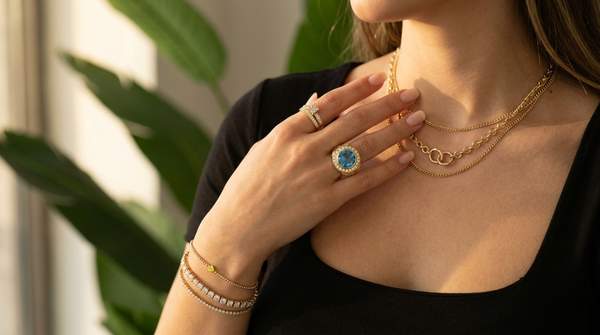
Chunky gold chains (Byzantine), classical signet rings, and Renaissance-inspired pearl drop earrings dominate popular motifs, according to Jewelry Trend Forecasters. Affordable materials like gold-plated brass and stainless steel now make these elaborate designs accessible, a stark contrast to historical solid gold and precious gems, notes Material Science in Jewelry. On Etsy, ancient-inspired pieces now comprise over 60% of independent designer sales, up from under 10% five years ago, per Etsy Seller Data. This democratization, fueled by material innovation and digital marketplaces, makes historical luxury attainable for a broader consumer base, fundamentally altering market dynamics.
The Blurring Lines of Authenticity and Mass Production
Heritage jewelry experts express concern: rapid mass production of ancient styles may devalue craftsmanship and historical context, according to Cultural Heritage Foundation. Fast-fashion and online retailers commodify these styles, redefining 'luxury' by immediate accessibility, not rarity. Luxury brands respond with their own 'heritage-inspired' collections, often at higher price points, attempting to reclaim authenticity, reports Luxury Brand Quarterly. This reactive stance forces traditional houses to struggle differentiating artisanal offerings from ubiquitous, low-cost replicas. A survey found 70% of consumers buy ancient-inspired jewelry for aesthetic appeal, not historical accuracy or material value, per Consumer Insights Report. This market prioritizes look over fidelity, challenging traditional value and authenticity. Prioritizing rapid replication over genuine craftsmanship inadvertently trains consumers to value quantity and instant gratification above enduring quality, fundamentally reshaping the jewelry market.