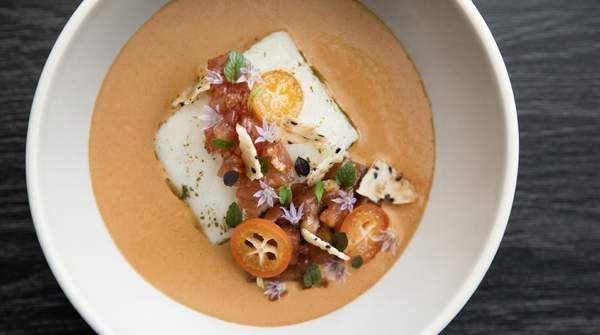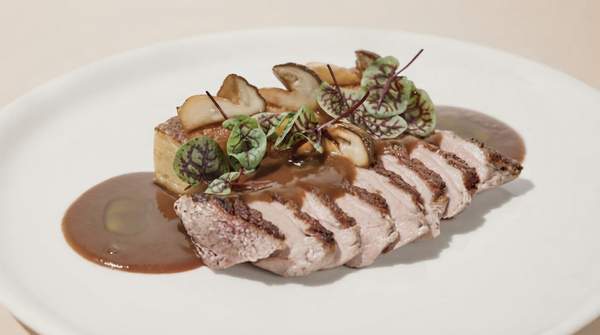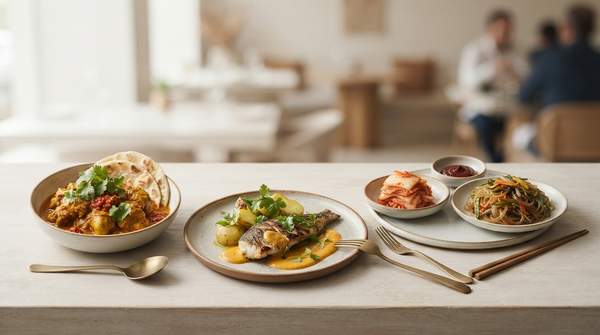
For luxury food travelers plotting their next journey, three destinations stand out in current travel reporting: South Africa, La Paz, and South Korea. Each offers a fundamentally different gastronomic proposition. South Africa delivers layered cultural fusion backed by wine-country polish; La Paz is building a reputation on biodiversity and meticulously sourced Amazonian ingredients at high altitude; and South Korea pairs deep fermentation traditions with a fast-moving, globally minded fine dining scene. This guide compares all three so you can match a destination to your palate rather than your bucket list.
South Africa: A Melting Pot of Flavors
South Africa enters 2026 with an unusually strong credential: it was named among the world's best countries for food in a global poll, scoring 94.26% and standing as the only African nation on the list, as reported by Business Insider Africa. That recognition reflects a culinary identity built from indigenous flavors, European influences, and local traditions woven into what the report calls a unique and vibrant food scene.
The heart of that identity is twofold. Cape Malay cuisine, with its aromatic curries, and the braai—South Africa's beloved barbecue tradition—anchor everyday food culture, while coastal regions supply fresh seafood. Cape Town, in particular, hosts world-class restaurants, and the surrounding wine regions add a dimension few emerging destinations can match: pairing experiences that turn a meal into a full-day itinerary through the vineyards.
For the luxury traveler, the appeal is breadth. A single trip can move from a casual bunny chow to an award-winning restaurant table, with wine estates in between. It is the most conventional of the three destinations here—but conventional in the sense of mature, varied, and reliably excellent rather than predictable.
La Paz, Bolivia: High-Altitude Gastronomy
La Paz is the wildcard of this comparison, and arguably the most exciting. Eater, in its 2026 guide to where to eat around the world, describes the Bolivian capital as emerging as one of South America's great gastronomic hubs, where chefs build on bold flavors and enviable biodiversity.
The city's fine dining lineage traces back to Gustu, the celebrated restaurant opened by Claus Meyer that first connected La Paz to the global dining scene. Many of the local culinary talents now defining the city's new era are Gustu alumni. Among them, chef Marsia Taha Mohamed and sommelier Andrea Moscoso Weise run Arami, which Eater calls a defining force in modern Bolivian cuisine; there, meticulously sourced Amazonian ingredients fill a warm, contemporary tasting menu.
What distinguishes La Paz is its ingredient-first philosophy. The reporting emphasizes biodiversity and sourcing rather than any single signature dish—the draw is a cuisine built from Amazonian products that few other dining scenes anywhere can access. For travelers who want to eat somewhere genuinely new, at altitude, before the crowds arrive, La Paz is the strongest candidate in this comparison.
South Korea: Tradition Meets Modern Innovation
South Korea's rise has been the most documented of the three. The Korea Tourism Organization reported in September 2025 that the country is home to 40 Michelin-starred restaurants in the latest Michelin Guide covering Seoul and Busan, positioning it among the world's premier food destinations as global culinary tourism booms.
The engine of that rise is a generation of chefs reimagining traditional Korean ingredients—jang, the family of fermented pastes, and kimchi—through classic French and Italian techniques, according to the Korea Tourism Organization. The Michelin Guide's own reporting on "new Korean gastronomy" describes young Seoul chefs pairing global techniques with familiar Korean flavors while shining a spotlight on local produce, terroir, and seasonality. At Ryunique in Seoul, for instance, chef Ryu Tae-hwan works with apple-fed pork from the Yesan region and seasonal seafood from the waters off Seocheon.
The scene is also structurally dynamic. The tourism organization highlights next-generation chefs running temporary pop-up restaurants that reinterpret fermentation, local ingredients, and seasonality, blending food, space, traditional liquor, and storytelling—though the limited-time nature of these pop-ups means booking ahead is essential. South Korea suits travelers who want tradition and experimentation in the same week.
Culinary Destinations at a Glance
The table below distills the reporting into a side-by-side comparison. Each row reflects what the destination guides and food publications actually describe, so you can quickly identify which culinary proposition fits your travel style.
| Destination | Culinary Identity | Signature Ingredients/Dishes | Dining Experience |
|---|---|---|---|
| South Africa | Diverse fusion of indigenous, European, and Cape Malay influences; the only African country ranked among the world's best for food in 2026 | Cape Malay curries, braai, bunny chow, fresh coastal seafood, world-class wines | World-class restaurants in cities like Cape Town, with wine regions offering pairing experiences |
| La Paz, Bolivia | Emerging South American gastronomic hub built on bold flavors and biodiversity | Meticulously sourced Amazonian ingredients; no single signature dish dominates—the sourcing itself is the draw | High-altitude fine dining led by Gustu alumni, including the influential Arami |
| South Korea | Rising powerhouse blending traditional Korean flavors with modern global techniques, boosted by the Michelin Guide's presence and K-food's global profile | Jang (fermented pastes) and kimchi reinterpreted with French and Italian techniques; premium local seafood and regional produce | 40 Michelin-starred restaurants across Seoul and Busan, plus experimental chef-run pop-ups blending food and storytelling |
Read horizontally, the table shows three distinct propositions: South Africa is the fusion-and-wine choice, La Paz is the frontier ingredient choice, and South Korea is the tradition-meets-technique choice. Read vertically, it shows that all three share one trait—chefs foregrounding local and regional ingredients rather than importing a generic international style.
Choosing Your Next Gastronomic Adventure
Luxury food travelers can select their next destination based on a preference for diverse cultural fusion (South Africa), innovative high-altitude cuisine with unique ingredients (La Paz, Bolivia), or a blend of traditional and modern fine dining (South Korea). The decision hinges on what you want from the table: South Africa rewards travelers who want variety and wine; La Paz rewards those seeking a scene still in the act of defining itself; South Korea rewards diners who want proven Michelin-level excellence alongside experimental pop-ups.
Whichever direction you choose, the measurable indicator is simple: your chosen destination for a luxury food-focused vacation. If it is South Korea, the practical next step is booking ahead—both Michelin-starred tables and the limited-time pop-ups require reservations. If it is La Paz, the milestone to watch is whether its Gustu-trained generation continues to earn international attention. If it is South Africa, the 2026 ranking suggests the moment to visit is now, while its wine-pairing and restaurant scene holds the global spotlight.
Sources
- Best destinations for foodie vacations — Jacada Travel
- South Africa ranks among the world’s best countries for food in 2026 — Business Insider Africa
- Where to Eat Around the World in 2026 — Eater
- South Korea Rises as a Culinary Powerhouse — Prnewswire
- K-Fine Dining: Center Stage of the Global Culinary Scene- VISITKOREA
- GUIDE