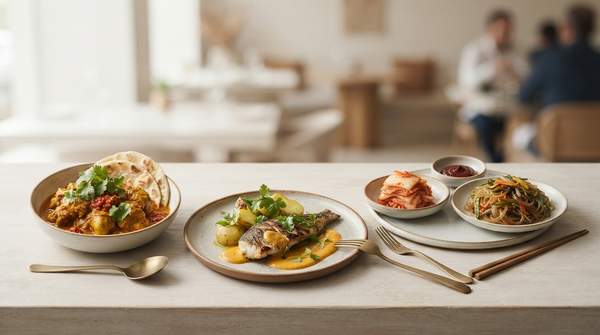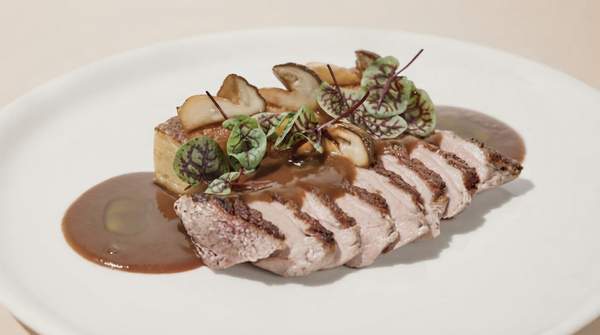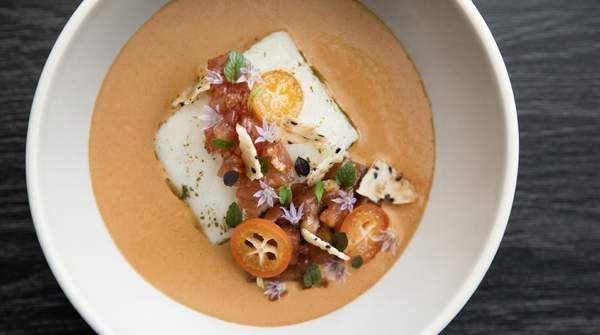
Fine dining's current wave of innovation is being driven by three distinct currents: plant-forward cuisine that treats vegetables as the centerpiece rather than a substitute, terroir-driven storytelling that connects a dish to its place and producers, and visually-driven presentation shaped by the demands of social media. Each trend answers a different guest desire—sustainability, authenticity, or shareability—and each reshapes ingredients, plating, and interaction in its own way. Here is how they work, and how to tell them apart.
Introduction: The Evolving Landscape of Fine Dining
The most interesting thing about today's fine dining evolution is that its leading trends are not competing for the same prize. One optimizes for ethics and health, one for meaning and provenance, one for visual impact. According to the culinary school École Ducasse, plant-based innovation has become "an emerging force in gourmet cuisine," with leading restaurants building full tasting menus around it. Meanwhile, the James Beard Foundation's 2026 trend outlook, written by Layla Khoury-Hanold, highlights terroir-driven storytelling as a defining direction, and industry reporting on social media's food influence documents how aesthetics now drive dining decisions. Understanding what each trend actually prioritizes is the key to reading any ambitious menu today.
Plant-Forward Cuisine: Sustainability Meets Gastronomy
Plant-forward fine dining is not vegetarianism in a tuxedo. École Ducasse describes a movement combining health, animal welfare, and climate-conscious cooking, in which top establishments craft elegant, multi-course menus using meat alternatives, fermented products, and superfoods such as seaweed varieties and activated charcoal. The critical distinction is method: rather than simply removing meat, chefs build texture and natural umami through techniques like nixtamalized corn dough, fire-roasted vegetables, and herbal infusions.
The result, per École Ducasse, is fine dining that appeals equally to devoted food lovers and wellness-minded guests, without sacrificing flavor or artistry. The school also notes that constraints themselves fuel creativity—working within plant-based limits pushes chefs toward innovation rather than deprivation. Culinary training has followed: students are now taught to execute plant-forward menus with finesse, building complex flavor profiles from seasonal fruit, floral syrups, and vegan butters.
Terroir-Driven Storytelling: Connecting to Place and Provenance
Where plant-forward cuisine leads with ingredients, terroir-driven storytelling leads with narrative. The James Beard Foundation's trend piece frames it as ingredient storytelling done authentically, fostering a more meaningful experience for diners curious about ingredients and cultural origins. The approach emphasizes provenance, local producers, traditional methods, and the unique cultural or geographical context behind each dish.
The piece quotes Codi Bates, owner of the hospitality group behind Lawrence, Kansas eateries including The Burger Stand and Bon Bon: "I see diners gravitating toward deeper expressions of terroir—ingredients that tell a story of place, especially those grown regeneratively or stewarded by Indigenous or local producers." Another chef cited in the same report, Ozyilmaz, says he has noticed the trend in his travels. For the guest, the payoff goes beyond taste: the meal becomes an immersive encounter with a specific place, its history, and the people who steward it.
Visually-Driven Presentation: The Art of 'Instagrammable' Dishes
The third trend operates on a different axis entirely: the eye. Industry reporting from Affinity Group on social media's transformation of the food industry notes that platforms like Instagram, Pinterest, and TikTok thrive on eye-catching images and videos, and that mouthwatering food photography and aesthetically pleasing presentation can quickly capture attention in a scrolling feed. In this environment, a dish's visual composition becomes a primary design consideration alongside its flavor.
The same reporting argues that investing in visually appealing dishes and an Instagram-worthy dining experience can generate buzz and attract a loyal following, and that viral content can turn obscure food items into overnight sensations. Influencers, with large and engaged followings, now shape how consumers discover restaurants. The consequence for fine dining is that plating techniques, vibrant colors, and photogenic compositions carry commercial weight they never did before.
Comparing Key Emerging Fine Dining Trends
Set side by side, the three trends reveal clearly different priorities: sustainability, authenticity, and aesthetics respectively. The table below contrasts them across a consistent set of criteria—core philosophy, ingredient focus, and guest experience—so you can quickly identify which aspect of innovation each one emphasizes.
| Trend | Core Philosophy | Ingredient Focus | Guest Experience |
|---|---|---|---|
| Plant-Forward Cuisine | Combines health, animal welfare, and climate-conscious cooking into elegant gastronomy; constraints inspire creativity rather than limit it. | Meat alternatives, fermented products, and superfoods such as seaweed varieties and activated charcoal; umami and texture built through nixtamalized corn dough, fire-roasted vegetables, and herbal infusions. | Fine dining that appeals equally to food lovers and wellness-minded guests, without sacrificing flavor or artistry—elegant and artistic, not merely meat removed. |
| Terroir-Driven Storytelling | Authentic ingredient storytelling that emphasizes provenance, local producers, traditional methods, and cultural or geographical context. | Ingredients chosen for their origin and story of place—especially those grown regeneratively or stewarded by Indigenous or local producers. | An immersive, narrative-rich experience connecting diners to the source and history of their meal, going beyond taste into cultural context. |
| Visually-Driven Presentation | Visual appeal as a primary consideration, shaped by social media platforms that reward eye-catching content. | Ingredients selected and prepared for innovative plating techniques, vibrant colors, and photogenic compositions. | A shareable, buzz-generating dining experience; viral content and influencers shape how guests discover and choose restaurants. |
The comparison shows why the trends are complementary rather than rivals: a single restaurant could, in principle, serve a regeneratively grown vegetable dish plated for the camera. But each trend's center of gravity differs—what one optimizes for ethics, another optimizes for meaning, and the third for visibility.
Underlying Drivers: Why These Trends Are Shaping the Future
Each trend traces back to a distinct consumer shift. Plant-forward dining reflects guests whose values around health, animal welfare, and climate consciousness now extend to their restaurant choices—École Ducasse explicitly frames the movement as the intersection of those three concerns. Terroir-driven storytelling responds to diners seeking authenticity and connection to place, a curiosity the James Beard Foundation's reporting ties to interest in cultural origins and regenerative stewardship.
Visually-driven presentation is powered by a different engine: the mechanics of social platforms. Affinity Group's reporting connects it to feeds that reward striking imagery, viral trends that can turn obscure items into sensations overnight, and influencers whose recommendations sway dining decisions. In short, two of these trends are value-driven and one is media-driven—but all three are reshaping what appears on the plate.
Navigating the Future of Fine Dining
To understand and appreciate the evolving fine dining landscape, diners should consider how restaurants are integrating sustainability, authenticity, and visual appeal into their culinary experiences. None of these trends is inherently better than another; they answer different questions about what a memorable meal should do. What they share is a move away from fine dining as pure technical display toward dining that carries values, stories, or shareable moments.
A practical way to watch this evolution unfold: observe restaurant menus and social media presence for explicit mentions of ingredient provenance, plant-based options, or highly stylized dish presentations. Those three signals map directly onto the trends compared here, and their growing presence on menus and feeds is the measurable evidence of where fine dining is heading next.
Sources
- Culinary trends: the latest in gourmet food innovation — École Ducasse
- Top Restaurant Food Trends For 2026 — Jamesbeard
- How Social Media Trends are Transforming the Food Industry — AFFINITY GROUP