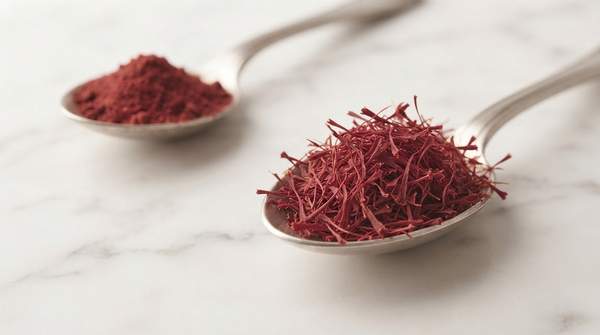
Sicilian cuisine tastes the way it does largely because of history, and no chapter of that history mattered more than roughly two and a half centuries of Arab rule from the 9th to the 11th centuries. As food writers documenting the island's traditions explain, the Arabs who settled and governed Sicily brought an array of ingredients and techniques that still permeate its cooking: saffron, citrus, almonds, pistachios, pine nuts, currants and fennel, along with the defining habit of combining sweet and savory elements in a single dish. Greek settlers centuries earlier laid some of the island's foundational agricultural staples, such as olives and grapes, but the flavor profile most people recognize as distinctly Sicilian is, in large part, an Arab legacy.
Arab Innovations: A Sweet and Savory Revolution
The transformation began with agriculture. Writers tracing the island's culinary history note that Arab settlers overhauled their colony with new farming systems, including terrace cultivation and siphon aqueducts for irrigation, which expanded what the island could grow. Alongside the infrastructure came the plants: accounts of Sicilian food history credit arrivals from North Africa with citrus fruit, spinach, chickpeas, artichokes, sesame seeds and eggplants—the last of which anchors caponata, one of the island's best-known dishes. Sugar cane cultivation and processing expanded the availability of sugar, opening new possibilities for sweet preparations, while almonds, pistachios and citrus became central to desserts such as cassata and marzipan-based sweets.
Technique changed alongside the pantry. The idea of frying as a specific cooking method is described in culinary-historical accounts as an import of the Arab conquest, and it survives most visibly in arancini, the stuffed, breaded and deep-fried rice balls said to have originated in 10th-century Sicily, when the island was under Arab rule. That attribution deserves a caveat: the food scholar Clifford Wright, cited in one account, cautions that Arab rulers cannot be credited with inventing the modern arancino, noting that the ragù filling is likely a cousin of the French ragout from a later period of rule. The rice-and-frying foundation, however, points back to the Arab centuries.
The most durable innovation was less tangible: the agrodolce principle, the deliberate pairing of sweet and savory in one dish. Multiple accounts of Sicilian cooking identify this habit—sugar or fruit against salt, acid, or richness—as a hallmark of Arabic influence, and it is the thread that ties together many of the island's most famous plates.