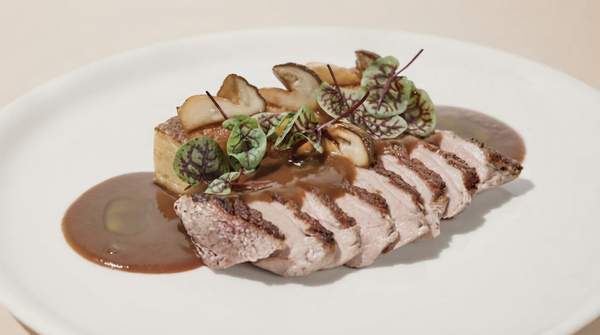
At Sublimotion in Ibiza, a single meal can cost $2,000, transforming dinner into an immersive, multi-sensory spectacle. Such a sum, according to Worldchefs, funds a meticulously crafted theatrical production, where the very act of eating becomes a performance. Here, the focus extends far beyond the plate: visual projections dance across every surface, curated soundscapes envelop diners in a symphony of flavors, and even ambient temperature shifts subtly guide the palate. Every detail is designed to create an all-encompassing experience, demanding significant investment from those seeking not just a meal, but a profound culinary journey that awakens every sense. This extreme price point doesn't merely signify luxury; it heralds a new era where dining is an art form, a meticulously engineered escapade for the senses, setting the stage for the evolving landscape of fine dining.
Culinary experiences are becoming increasingly complex and expensive, but the underlying science proves that even subtle sensory cues can profoundly enhance enjoyment and perception.
Based on the rapid integration of technology and scientific understanding, dining will increasingly become a personalized, immersive performance where the chef is as much an artist and scientist as a cook.
Beyond Taste: Defining Multi-Sensory Dining
Chef Heston Blumenthal pioneered multi-sensory dining with his 'Sound of the Sea' dish, pairing seafood with an iPod playing ocean sounds, according to Worldchefs. This bold move revealed how dining transcends mere taste, leveraging other senses to forge deeply memorable and emotionally resonant culinary experiences. Indeed, such orchestrated sensory inputs can intensify flavors, embed dishes into memory, and even stir profound emotions like nostalgia, as noted by Cordonbleu. Multi-sensory dining, therefore, involves the deliberate orchestration of sight, sound, smell, and touch alongside taste, transforming a meal into a holistic sensory journey.
The Science Behind the Sensation
Recent experiments have revealed that background music significantly alters eating behavior and emotional response, according to a study published in Nature. Specifically, liked music prolonged meal duration, increased selection of healthier items, and enhanced food pleasantness. This research powerfully illustrates how carefully curated sensory inputs, like music, profoundly influence dining behavior and elevate the overall perception of food. Such scientific validation underpins the growing recognition of multi-sensory dining's philosophical basis and importance, now even taught in courses detailing its global influence, as highlighted by Cordonbleu. Based on the 'nature' study's findings that liked music can significantly enhance food pleasantness and even influence healthier choices, restaurants failing to curate their auditory environment are leaving tangible customer satisfaction and potential health benefits on the table.