Food

What Is the History and Evolution of Fine Dining Etiquette?

Did you know medieval diners used only three fingers to eat? Uncover the intricate history and evolution of fine dining etiquette, revealing how our relationship with food, status, and each other has transformed over centuries.

CR
Camille Rousseau

April 10, 2026 · 7 min read

A split image contrasting a vibrant medieval banquet with hands-on eating and a sophisticated modern fine dining experience, illustrating the evolution of table etiquette.

Did you know that in medieval times, the most delicate diners used only three fingers to pick up a piece of meat? The intricate history and evolution of fine dining etiquette global practices reveal a fascinating story about our relationship with food, status, and each other. Manners in Europe, including the codes of chivalry and table conduct, have origins dating back as far as the eleventh century. Understanding this long journey from rustic medieval halls to the polished tables of today transforms our perception of dining from a simple act of consumption into a rich cultural performance, a narrative written with forks, knives, and unspoken gestures.

The subject of etiquette can often feel archaic, a collection of dusty rules for a bygone era. Yet, the choreography of a shared meal continues to be a powerful social language. Innovations that we now take for granted, such as sitting upright in high-backed chairs or the specific design of our cutlery, were revolutionary developments that shaped table etiquette in 18th-century Europe. Exploring this history is not merely an academic exercise; it is an inquiry into how we civilize the most basic of human needs, turning sustenance into a sophisticated art form. It reveals why we do what we do at the dinner table, connecting our modern habits to a deep and complex past.

What Is Fine Dining Etiquette?

Fine dining etiquette is the system of established social rules and customs governing behavior at the table in formal settings. It is a cultural code that dictates everything from the correct placement and use of silverware to posture and conversation. Think of it as the grammar of a meal; just as linguistic grammar provides structure and clarity to language, dining etiquette provides a framework that allows for a smooth, respectful, and enjoyable social interaction. According to reporting in The Guardian, these manners define the meaning of a meal, transforming the physical necessity of eating into an elegant social ritual. The core components of this system include:

  • Utensil Protocol: The knowledge of which fork, knife, or spoon to use for each course, and how to hold and rest them correctly.
  • Table Demeanor: This includes posture (sitting up straight, no elbows on the table), the placement of the napkin, and how to pass dishes.
  • Pacing and Order: The rhythm of the meal, such as waiting for all guests to be served before eating and keeping pace with others at the table.
  • Social Graces: The art of polite conversation, showing respect for the host and fellow guests, and adhering to specific customs like toasting.
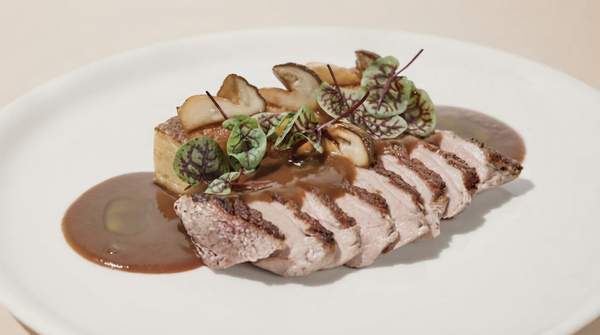
At its heart, this elaborate system is about more than just rules. It is a non-verbal language of consideration and respect. Each gesture, from passing the salt and pepper together to refraining from reaching across the table, is a signal that you are aware of and care for the comfort of those around you. It is a shared performance that, when executed with grace, elevates a meal into a memorable experience.

What Are the Historical Origins of Fine Dining Etiquette?

The aroma of a meticulously prepared dish tells a story, but so too does the manner in which we consume it. The roots of Western fine dining etiquette are deeply embedded in European history, with prescribed dining customs dating back to 13th-century Europe, where "courtly manners" served as the precursor to our modern code. These early systems were less about the intricate placement of a fish fork and more about differentiating the aristocracy from the common populace through refined behavior.

Manners in Europe can be traced to the eleventh century and the age of chivalry. However, it was in the thirteenth century that a more formalized code began to take shape. According to the Etiquette Scholar, Emperor Frederick II is credited with inaugurating courtly manners that prized not just conduct but also intellect, wit, and beauty. In this era, the focus was on demonstrating delicacy and control. While most people ate with their fingers, a refined person might use only three, keeping the palm clean. Chaucer’s 14th-century prioress in The Canterbury Tales is a perfect portrait of medieval grace; she was so well-taught that she "let no morsel from her lips fall" and never wet her fingers too deeply in her sauce. Status was also visibly demarcated at the table, most famously by the salt cellar; distinguished guests were seated "above the salt," a place of honor close to the host.

These early customs were not just about aesthetics; they were practical. In a time when a shared trencher (a slab of bread used as a plate) was common and diners brought their own sharp knives to the table, rules against greasy fingers and aggressive gestures were essential for a peaceful meal. The code of conduct was a civilizing force, a way to impose order and demonstrate social standing in a world that was often anything but orderly.

How Has Fine Dining Etiquette Evolved Through Different Eras?

Taste is not merely sensation; it is a narrative shaped by centuries of technological innovation and cultural exchange. The evolution from medieval manners to the complex etiquette of the Victorian age was a gradual process, marked by key milestones that redefined the dining experience. The most significant of these was the advent of new tools—the printing press, the fork, and specialized cutlery—which democratized and codified polite behavior.

A pivotal moment arrived with the invention of movable type around 1440. As social deportment books circulated in the fifteenth and sixteenth centuries, etiquette was no longer the exclusive domain of the royal court. One of the earliest examples, published by William Caxton in England around 1477, was 'The Book of Curtesye,' which outlined chivalrous conduct. This trend continued into the Enlightenment. At just 16 years old, a young George Washington transcribed 'Rules of Civility & Decent Behavior in Company and Conversation,' a list of 110 maxims based on a seventeenth-century text. Its primary principle was simple yet profound: consideration for others.

The very tools on our tables have their own dramatic history. According to reporting from The Gleaner, knives were not domesticated for table use until the 16th century in France, when their points were dulled to prevent diners from puncturing their mouths or using them aggressively. The fork, an object of suspicion in its early days, gained popularity thanks to the influence of Italian-born French queen Catherine de Medici in the 16th century. By the 18th century, curved forks with multiple tines were increasingly common, allowing for more delicate eating and paving the way for the complex place settings to come.

By the Victorian era, dining etiquette reached its zenith of complexity. Isabella Beeton’s famous book 'Household Management' (1861) provided exhaustive instructions for hosting dinner parties, with rules so intricate they are rarely preserved today outside of the most formal state functions. Her guidance on serving soup—"commencing with the gentleman on her right and on her left... It is generally established as a rule, not to ask for soup or fish twice"—illustrates a world where every action was precisely choreographed to ensure order and decorum. This era cemented many of the rules that still linger in our collective consciousness, a testament to a time when formality was the ultimate expression of refinement.

Why Dining Etiquette Still Matters

In our fast-paced, globalized world, it is easy to dismiss traditional dining etiquette as an irrelevant relic. Yet, its core principles remain profoundly significant. The history of these customs reveals that they were never just about arbitrary rules; they are a framework for showing respect and creating a pleasant shared environment. Whether in a three-star Michelin restaurant or at a family holiday dinner, the essence of etiquette is empathy—the ability to anticipate the needs and comfort of others.

While some of the more rigid Victorian strictures have softened, the fundamental gestures of consideration persist. We still wait for everyone to be served before starting our meal. We avoid speaking with our mouths full. We pass dishes to our neighbors. These actions, inherited from centuries of social evolution, are small but powerful acknowledgments of our connection to one another. Understanding their origins enriches our appreciation for the dining experience, transforming it from a routine into a conscious act of community and culture. It allows us to participate in a tradition that connects us to the past and elevates our interactions in the present.

Frequently Asked Questions

Why is it considered rude to put elbows on the table?

The rule against elbows on the table is believed to have practical origins from a time when dining tables were often simple, crowded boards set on trestles. Leaning on them could be messy and risk upsetting the precarious setup. As dining became more formal, the rule was retained as a sign of good posture and engagement, preventing diners from slouching or crowding their neighbors' space.

When did people start using forks?

While early versions of the fork existed for centuries, their adoption for dining in Europe was slow. The fork's popularity reportedly surged in the 16th century, largely thanks to Catherine de Medici, who brought the refined Italian custom to the French court. However, it wasn't until the 18th century that curved forks with multiple tines became widely used, fundamentally changing how people ate and paving the way for modern utensil etiquette.

What were table manners like in the Middle Ages?

Medieval table manners were simpler than today's but still governed by specific rules. The focus was on cleanliness and respect in a communal eating environment. People primarily ate with their fingers and a personal knife, so rules like using only three fingers, not putting greasy hands on shared items, and not speaking with a full mouth were important. Seating was also highly symbolic, with the most important guests placed "above the salt" near the host.

The Bottom Line

The history of fine dining etiquette is a captivating journey from the practical necessities of medieval courts to the elaborate social theater of the Victorian era. These evolving customs reflect our changing technologies, social structures, and ideals of civility. Ultimately, the enduring lesson of etiquette is that the greatest elegance lies in making others feel comfortable and respected at the shared table.