Luxury fashion's silk supply is quietly diversifying. Traditional mulberry silk still dominates, but three established alternatives—Ahimsa (peace) silk, organic silk, and plant-based semi-synthetics such as lyocell—each answer a different objection to conventional production: the killing of silkworms, chemical use in sericulture, or animal-derived fiber altogether. The catch is that no single option wins on every count. The method used to obtain the fiber directly shapes what the finished fabric looks and feels like, and the most ethical choices often carry the highest prices and the least conventional silk-like sheen.
The Enduring Appeal of Silk and Its Ethical Dilemma
Conventional silk production follows a process that has barely changed since its origins in ancient China. Silkworms spin cocoons made of a single long filament of silk; the cocoons are then boiled, which kills the silkworms and softens the cocoons so the filament can be unraveled in one continuous thread. As The Little Tibet, a London-based retailer that documents silk's history, explains, the resulting threads are woven into fabrics "highly prized for their softness, lustre, and durability," and China remains the world's largest silk producer, with many ancient techniques still in use.
That continuity is precisely the problem for ethically minded consumers. The boiling step is not incidental—it is what preserves the long, unbroken filament that gives conventional silk its smooth hand and high sheen. The process is resource-intensive, and the deliberate killing of the silkworm inside each cocoon raises an animal-welfare concern that no amount of processing refinement can remove. This is the dilemma that sustainable alternatives are designed to address, and each one resolves it by sacrificing something different.
Ahimsa Silk: Prioritizing Animal Welfare
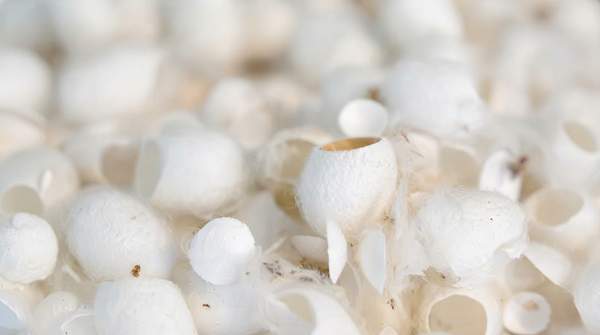
Ahimsa silk—also called peace silk—takes the most direct route to cruelty-free production. According to House of Wandering Silk, a sustainable-clothing brand that has documented the method, it can be produced from any type of silk, and the defining change is timing: cocoons are harvested and processed only after the moth has hatched naturally. The moth secretes a liquid that dissolves a hole in the cocoon to escape, and that exit breaks the long, continuous silk fiber into shorter staples.
The welfare benefit is unambiguous—the silkworm completes its life cycle—but the material consequences are equally direct. Shorter staples must be spun together into yarn, just as wool or cotton staples are, and the exchange is visible in the cloth: "the high sheen and lustre of the silk are exchanged for a thicker and more textured cloth." The fabric is breathable, warm, and made to last, but it reads closer to cotton or wool than to the glossy drape of conventional silk. There is also an economic trade-off: House of Wandering Silk reports that Ahimsa silk runs around double the price of regular silk, reflecting the extra processing and lower fiber yield per cocoon.
Organic Silk: A Focus on Environmental Purity
Organic silk addresses a different objection entirely. Rather than changing what happens to the silkworm, it changes what happens around it. As fashion educator Francesca Sterlacci explains in the University of Fashion's survey of silk's evolution, organic silk ensures that the trees where the caterpillars grow are not treated with harmful chemicals that would otherwise affect the surrounding environment and ecosystems.
In other words, organic sericulture is an environmental claim, not an animal-welfare one: the conventional harvesting method, including the killing of the worm, can still apply. What the buyer gains is reduced chemical load on the land and water near mulberry cultivation. What the buyer should not assume is a different fabric—because the fiber itself is harvested the same way, organic silk's material characteristics remain those of conventional silk, including its prized softness and sheen. The evidence available on organic silk speaks to its ecological benefit rather than to any distinct texture or durability profile, so shoppers choosing it are prioritizing chemical-free cultivation over the welfare of the worm.
Plant-Based Semi-Synthetics: Cruelty-Free and Eco-Friendly Alternatives
The third route abandons the silkworm altogether. Semi-synthetic fabrics with silk-like properties, made from eucalyptus fibers and sold under names such as lyocell or Tencel, are produced through more sustainable processes and, in Sterlacci's characterization, "maintain silk's luxurious feel while minimizing the environmental impact." Because no animals are involved at any stage, they are cruelty-free by definition rather than by modified practice.
These are not silks in the strict sense—they are regenerated cellulose fibers, plant-derived and processed into yarn—but they occupy the same niche in a garment: a fluid, soft, lustrous drape. The environmental claims rest on the closed-loop-style processing associated with lyocell production and the renewable wood-pulp feedstock. It is worth noting that the available descriptions of these fabrics are general: they are presented as eco-friendly and silk-like, but specific quantitative impacts such as water usage or carbon footprint, and precise durability comparisons against true silk, are not detailed in the sources surveyed here. Buyers should treat "silk-like" as a genuine but approximate substitute, not an identical one.
Sustainable Silk Alternatives: A Comparative Guide
The table below contrasts each option across the same four criteria—production process, animal welfare, material characteristics, and environmental considerations—so the trade-offs can be read at a glance. The pattern that emerges is that every gain in one column is paid for in another: welfare improvements cost sheen, environmental purity leaves the harvesting method intact, and plant-based substitutes trade authenticity of fiber for freedom from animals.
| Silk Type | Production Process | Animal Welfare Impact | Material Characteristics | Key Environmental Considerations |
|---|---|---|---|---|
| Traditional mulberry silk | Cocoons are boiled, killing the silkworms and allowing a single long filament to be unraveled | Silkworms are killed during production | Long, continuous threads prized for softness, lustre, and durability | Resource-intensive process |
| Ahimsa/peace silk | Cocoons harvested only after the moth hatches naturally, breaking the fiber into shorter staples that must be spun | Considered humane and cruelty-free; the moth is not killed | Thicker, more textured, matte cloth; breathable, warm, durable; around double the price of regular silk | Welfare-first method; higher cost reflects extra processing |
| Organic silk | Conventional harvesting, but caterpillars' host trees are not treated with harmful chemicals | Conventional method applies; worms are still killed | Same as conventional silk; no distinct characteristics documented | Protects the environment and ecosystems around cultivation |
| Plant-based semi-synthetics (lyocell/Tencel) | Regenerated cellulose fibers made from eucalyptus through more sustainable processes | Cruelty-free; no animals involved | Silk-like luxurious feel; precise durability not documented | Described as eco-friendly; quantitative impacts such as water use not detailed |
Comparing Sustainable Silks: Trade-offs in Quality and Impact
Underlying the table is a single mechanical truth: silk's famous sheen comes from the unbroken filament, and the unbroken filament exists only if the worm is killed before it can chew its way out. Ahimsa silk demonstrates the trade-off most clearly. When the moth hatches, it breaks the continuous fiber into staples, and spun-staple yarn—like wool or cotton—simply cannot reproduce the glassy lustre of filament silk. The result is a fabric with its own virtues, thickness, texture, warmth, but it is a different aesthetic, not a gentler version of the same one.
This is why the choice between alternatives is genuinely a choice of values rather than a ranking. A shopper whose priority is that no insect dies for the garment has two paths: Ahimsa silk, which accepts a matte, textured, costlier cloth, or a plant-based semi-synthetic, which accepts a substitute fiber. A shopper whose priority is chemical-free land use can choose organic silk and keep the classic look, but cannot claim the welfare benefit. And a shopper who wants the traditional lustre at traditional cost is, for now, still choosing the boiled cocoon. Transparency in the supply chain, as Sterlacci argues, is what allows these distinctions to be made honestly at the point of sale.
Choosing Your Sustainable Silk: Aligning Values with Fabric
When selecting silk, prioritize either animal welfare (Ahimsa silk), chemical-free environmental impact (organic silk), or a cruelty-free, plant-based alternative (semi-synthetics), understanding that each choice presents distinct trade-offs in material characteristics and environmental footprint. The reader can observe the presence of specific certifications (e.g., organic, cruelty-free labels) or detailed product descriptions that specify the silk's production method and fiber type (e.g., "Eri silk," "Lyocell," "spun staple") when evaluating luxury fashion items. Those labels are the practical test: a garment genuinely made by one of these methods will say so, and the words used—"peace silk," "organic," "lyocell"—each point to a specific, checkable trade-off rather than a vague green claim.
Sources
- The Silk Story - Part I — The Little Tibet
- Explore Sustainable Clothing with Ahimsa Silk — houseofwanderingsilk
- Silk Through Time - From Ancient Luxury to Modern Sustainability - University of Fashion Blog