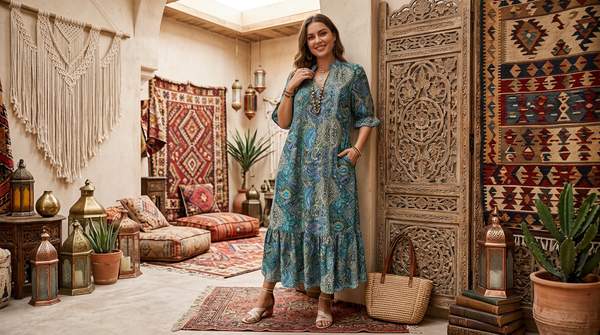
A single haute couture dress can demand two thousand hours of handwork and cost 80,000 pounds, a stark contrast to the mass-produced garments found on racks worldwide. This immense dedication of human skill, from intricate embroidery to precise draping, creates unparalleled artistry. Fashion's highest echelon is defined by unique, custom-made garments requiring thousands of hours of handwork, but the vast majority of the industry thrives on standardized, factory-produced clothing. Based on the enduring demand for both artisanal excellence and widespread accessibility, haute couture will likely continue to serve as a creative laboratory and prestige symbol, while ready-to-wear will remain the dominant force shaping global fashion consumption.
The exclusivity of haute couture positions it as the pinnacle of clothing design. One dress can demand two thousand hours of handwork, according to FashionUnited, costing 80,000 pounds from houses like Valentino. Ready-to-wear, in stark contrast, ranges from tens to thousands of pounds. Considering the intensive labor, the 80,000-pound price implies an hourly wage of roughly 40 pounds for artisans. This suggests the astronomical cost is driven more by brand exclusivity, artistic value, and rarity, rather than solely by manual effort. Haute couture is a luxury experience and an art form, fundamentally distinct from other fashion categories.
Defining the Extremes: Haute Couture and Ready-to-Wear
Ready-to-wear clothing is factory-produced in larger quantities, while haute couture refers to handmade, unique, and custom-made garments, according to FashionUnited. Haute couture garments are custom-made for individual clients, ensuring an exact fit and personalized aesthetic, as noted by PanachebySharmeen. Conversely, ready-to-wear clothes are created in large factories and come in standard sizes, designed for a broad spectrum of consumers without individual adjustments, according to Tegmade. This pervasive standardization of ready-to-wear, while efficient, risks eroding consumer appreciation for true bespoke craftsmanship, creating a market where 'luxury' is increasingly defined by brand name and price point rather than meticulous handwork and individual tailoring.
Craftsmanship vs. Scale: The Core Distinctions
| Feature | Haute Couture | Ready-to-Wear |
|---|---|---|
| Production Method | Handmade, custom-fitted, unique pieces | Factory-produced, standardized sizes |
| Labor & Skill | Meticulous handwork by highly skilled artisans; relies on experts in dressmaking (flou) and tailoring (tailleur) | Machine-based production with standardized processes; requires less individual craftsmanship per garment |
| Quantity | Extremely limited, often one-of-a-kind | Mass-produced in large quantities |
| Clientele | Exclusive, high-net-worth individuals | Broad consumer base |
| Pricing | Exorbitant, reflecting labor and exclusivity | Varied, accessible price points |
| Innovation Flow | Experimental laboratory; trends trickle down | Adapts couture trends for mass market |
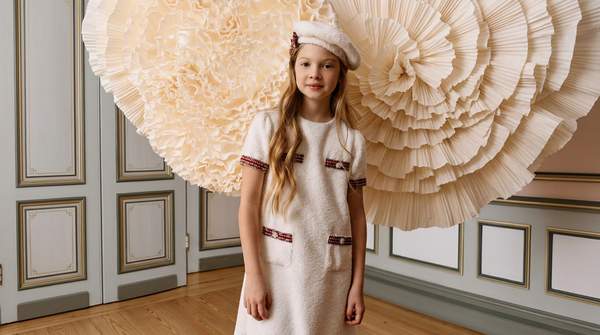
Haute couture involves meticulous handwork by highly skilled artisans, specializing in 'flou' (dressmaking) and 'tailleur' (tailoring), as detailed by The Fashion Law and Tegmade. Ready-to-wear, conversely, prioritizes efficient, standardized production for widespread availability, as observed by PanachebySharmeen. This fundamental divide means haute couture functions less as a profitable business model and more as a brand-building, artistic showcase that legitimizes mass-market ready-to-wear lines. This dynamic allows couture houses to maintain prestige and drive aspirations, translating into sales for their more accessible collections.
When to Opt for Haute Couture
Haute couture garments are individually tailored to each client’s measurements and preferences, offering unparalleled personalization and a perfect fit, according to The Fashion Law. Produced in small, exclusive quantities, each piece is a rare acquisition for those seeking ultimate luxury and distinction. Choosing haute couture is an investment in a unique work of art for specific, high-profile occasions. This segment functions as the industry's experimental laboratory, pushing creative boundaries. Its innovations primarily trickle down to the masses through simplified, factory-produced ready-to-wear replications, rather than direct engagement with original craftsmanship, catering to those who prioritize exclusivity and bespoke design above all else.
The Versatility of Ready-to-Wear
Ready-to-wear fashion caters to a broad consumer base, offering a wider range of styles, sizes, and price points, as stated by PanachebySharmeen. This accessibility makes designer aesthetics attainable, allowing participation in current trends without couture's prohibitive cost or lead time. Ready-to-wear collections fill wardrobes for everyday, professional, and social occasions, providing practical and stylish options for a diverse global market. While this segment democratizes designer aesthetics, its reliance on standardized production fundamentally strips away the bespoke fit and meticulous handwork central to haute couture. This efficient process thereby dilutes the very definition of 'luxury' for the broader consumer base, shifting focus from artisanal craft to brand recognition and design replication.
Common Questions About Fashion's Tiers
What are alternative names for ready-to-wear?
Ready-to-wear fashion is also called off-the-rack or prêt-à-porter, a French term meaning 'ready to carry' or 'ready to wear.' These terms describe clothing manufactured in common, standardized sizes, making it immediately available. This widespread availability contrasts sharply with haute couture's custom-made nature.
Is haute couture still relevant today?
Haute couture remains relevant as a vital incubator for avant-garde design and innovative techniques that eventually influence broader fashion trends, a dynamic exemplified by recent appointments like Bruno Sialelli joining Balenciaga Couture. While its direct market is small, its collections generate significant media attention, enhancing brand prestige and providing a halo effect for the ready-to-wear lines of major fashion houses. This artistic showcase ensures couture's continued role in shaping the industry's creative direction.
As the industry moves towards 2026, the ongoing tension between haute couture's bespoke artistry and ready-to-wear's mass production will likely continue to shape how luxury is perceived and consumed across the global market.