The EveryBODY Fashion Show is returning to highlight inclusive fashion and raise crucial funds for eating disorder treatment, according to a report from WKBN.com.
The fashion show reportedly uses its platform to generate support for health-focused initiatives, channeling proceeds toward eating disorder treatment. This directly connects fashion aesthetics with tangible wellness support. The event's focus aligns with ongoing cultural and fashion discussions on representation and body positivity, a significant topic in the broader landscape.
What We Know So Far
- The EveryBODY Fashion Show is scheduled to return, as reported by WKBN.com.
- A primary goal of the event is to raise funds for eating disorder treatment.
- The show's platform will reportedly highlight inclusive fashion.
- The initial report frames the event as an example of the fashion industry's evolving commitment to health and diversity.
How EveryBODY Fashion Show Supports Eating Disorder Treatment
The EveryBODY Fashion Show's central mission, as reported, is its commitment to fundraising. The event directs financial support toward eating disorder treatment, creating a direct link between the fashion presentation and healthcare advocacy. This philanthropic engagement model is a noteworthy industry approach, leveraging a runway show to support a cause intrinsically linked to body image and well-being.
By dedicating its purpose to fundraising for treatment services, the show offers material aid that can meaningfully impact the availability and accessibility of care for individuals affected by eating disorders. This moves beyond symbolic gestures. The approach aligns with a growing awareness of mental and physical health, a topic seeing increased attention in many sectors, including the creative industries. The show's reported function is twofold: to present fashion and to generate resources for a vital health service.
The Importance of Inclusive Fashion in Today's Industry
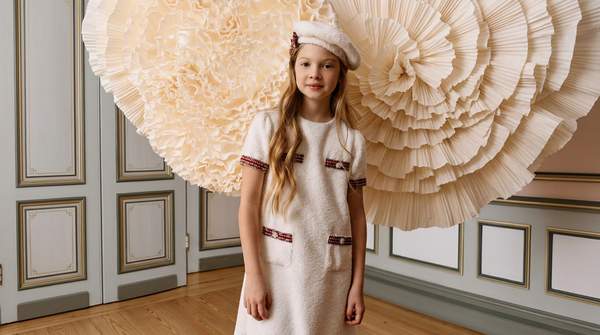
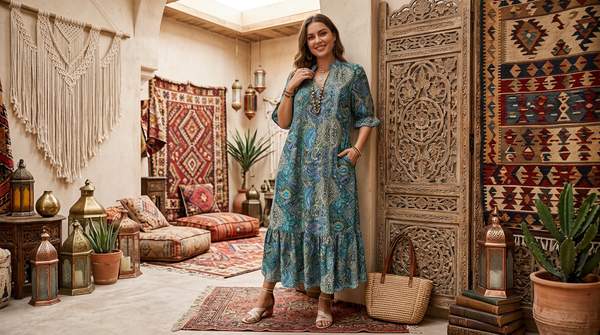
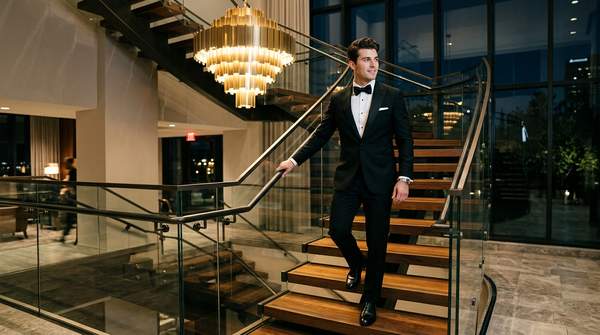
A key component of the event is its stated emphasis on inclusive fashion, which involves showcasing models of diverse body sizes, ages, ethnicities, and abilities. This practice challenges traditionally narrow beauty standards by representing a wider spectrum of humanity in clothing design, marketing, and presentation. The aim is to create a more welcoming and representative vision of style that resonates with a broader audience and reflects the reality of the consumer market. A focus on inclusivity can also influence everything from garment construction to the overall runway narrative.