Design

How to Curate a Designer Home: A Complete Guide to Interior Design Aesthetics

The feeling of walking into a perfectly composed room is immediate and undeniable. Learning how to curate a designer home interior design is less about acquiring expensive items and more about mastering the principles that govern this harmony.

LB
Luca Bianchi

March 30, 2026 · 7 min read

A beautifully curated living room showcasing a sophisticated blend of modern and classic interior design, featuring elegant furniture, art, and a harmonious color scheme under soft natural light.

The feeling of walking into a perfectly composed room is immediate and undeniable. It is a space where light, color, and objects exist in quiet conversation. Learning how to curate a designer home interior design is less about acquiring expensive items and more about mastering the principles that govern this harmony. As trends evolve, with publications like House Beautiful already reporting on styles that have peaked in 2026, understanding the foundational art of curation becomes essential. It is a methodical practice that transforms a collection of things into a cohesive, personal environment.

What are the Foundational Principles of Interior Design Aesthetics?

Interior design is a professional practice focused on creating interior environments that address human needs and affect how people experience spaces. It involves a sophisticated blend of art, science, and technical knowledge. At its core, the discipline is about problem-solving. According to the International Interior Design Association (IIDA), it is the "art, science, and business planning of a creative, technical, sustainable, and functional interior solution." This definition underscores that aesthetics are not arbitrary but are deeply connected to a space's purpose and the well-being of its inhabitants.

Designers craft spaces that anticipate our needs and appeal to our emotions. This requires a broad set of skills. As noted by the New York School of Interior Design, professionals are expected to have a working knowledge of textiles, materials, color theory, space planning, and even structural requirements and building codes. The final visual appeal of a designer home is the result of this rigorous, strategic process, where every choice is intentional and every object contributes to a unified whole. Form follows function, but feeling is equally important.

How to Curate a Designer Home: A Step-by-Step Process

Following a methodical process can demystify the art of interior design, allowing for the creation of a room that is comfortable, functional, and reflective of a personal vision. This approach turns an overwhelming task into a series of manageable, creative decisions.
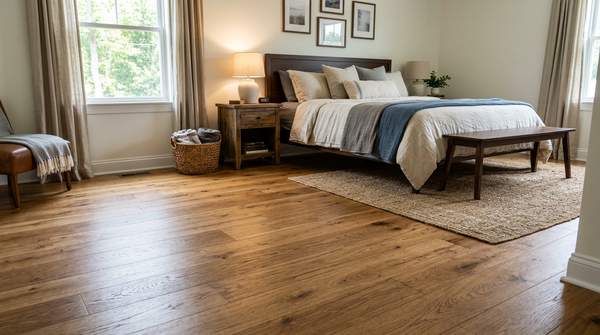

  1. Step 1: Define the Room's Purpose and Your LifestyleBefore considering a single color or piece of furniture, define the primary function of the space. Is this a room for quiet solitude, lively entertaining, or productive work? Consider who will use it and how they will interact with the environment. This foundational step ensures that the final design is not only beautiful but also practical and supportive of your daily life.
  2. Step 2: Establish a Comprehensive BudgetA clear budget is crucial for keeping a project under control. A guide from Greenhouse Studio suggests prioritizing expenditures into distinct categories: 'must haves,' 'nice to haves,' and 'not a priority.' This framework helps allocate funds effectively. Critically, it is recommended to add a contingency of 10% to 20% of the total budget to cover unforeseen costs, ensuring that unexpected issues do not derail the project's integrity.
  3. Step 3: Develop a Cohesive Mood BoardA mood board is the visual blueprint for your project. It is a curated collection of images, material samples, color swatches, and text that captures the desired feeling of the space. This is a standard professional practice, often included in the virtual design services offered by firms like Studio McGee. Your mood board becomes a constant reference point, ensuring that every subsequent decision aligns with the initial vision.
  4. Step 4: Create a Detailed Space PlanSpace planning addresses the physical layout of the room, focusing on scale, proportion, and flow. Sketch the room's dimensions and map out the placement of major furniture pieces. Consider traffic patterns, sightlines, and how to create distinct zones for different activities. A well-considered space plan maximizes both the functionality and the perceived size of the room, making it feel open and intuitive.
  5. Step 5: Select Core Materials and FinishesWith a plan in place, begin selecting the foundational materials. This includes flooring, paint colors, wall treatments, and any architectural finishes. These elements form the backdrop of your design. Refer to your mood board to ensure your choices in texture and color work in harmony to build the intended atmosphere, whether it is warm and inviting or cool and minimalist.
  6. Step 6: Furnish with Intention and ScaleSelect furniture that serves the room's function while fitting its scale. As designers at Studio McGee note, furnishings are chosen with careful attention to lifestyle, scale, color, and budget. A large, heavy sofa can overwhelm a small room, while delicate furniture can feel lost in a grand space. Each piece should not only be beautiful on its own but also relate proportionally to the other objects and the room itself.
  7. Step 7: Layer with Lighting, Textiles, and ArtThe final layers bring a room to life. A thoughtful lighting plan should include ambient (overall), task (functional), and accent (dramatic) lighting. Introduce textiles through rugs, curtains, and cushions to add softness, color, and texture. Finally, select art and accessories that hold personal meaning. These final objects are what infuse the space with personality and make it uniquely yours. The object speaks for itself.

Common Mistakes When Blending Interior Design Styles

Achieving a successfully curated look often means avoiding a few common pitfalls. A thoughtful approach can prevent a space from feeling disjointed or unresolved.

  • Ignoring a Unifying Color Palette: When blending styles, such as modern and traditional, a consistent color palette is the most effective tool for creating cohesion. Without a shared set of hues to tie disparate pieces together, a room can quickly feel chaotic rather than intentionally eclectic.
  • Disregarding Scale and Proportion: Placing objects of incompatible scale next to each other creates visual tension. A large, rustic farmhouse table paired with small, delicate modern chairs will feel unbalanced. Ensure that pieces relate to one another in size and visual weight to maintain a sense of harmony.
  • Creating a Flat, Textureless Environment: A room composed entirely of smooth, hard surfaces can feel cold and uninviting. The art of curation involves layering different textures—rough wood, soft wool, smooth metal, plush velvet—to create tactile and visual depth. This adds a crucial layer of sensory richness.
  • Forgetting the "Negative Space": An over-cluttered room allows no single object to stand out. Curation is as much about what is left out as what is put in. Allowing for empty space—on walls, shelves, and floors—gives the chosen pieces room to breathe and be appreciated.

The Role of Textures and Materials in Designer Home Curation

Beyond color and form, texture is a silent narrator in interior design. The materials we choose have a profound impact on how a space feels. A rough-hewn wooden beam suggests rustic warmth, while polished chrome communicates a sleek, modern sensibility. The interplay of these materials is central to creating a sophisticated and layered environment. A leather armchair, a linen sofa, a marble tabletop, and a wool rug do not just occupy space; they contribute to a complex tactile dialogue.

The smoothness of glass against the grain of reclaimed wood, or the softness of cashmere against the hardness of concrete, exemplifies effective texture blending. This juxtaposition of contrasting materials creates a dynamic tension that keeps the eye engaged and prevents a room from feeling one-dimensional. Such deliberate layering elevates a design from simply decorated to thoughtfully curated.

Frequently Asked Questions

How do you blend different interior design styles without it looking messy?

The key is to establish a clear unifying element. This can be a consistent color palette that runs through all pieces, a repeated material like a specific wood tone or metal finish, or a shared level of formality. Another effective strategy is the 80/20 rule: let one style dominate about 80% of the space, and use the second style for the remaining 20% as a deliberate accent.

What is the most important principle of interior design?

While classic principles like balance, rhythm, and harmony are vital, the most fundamental aspect of modern interior design is its focus on human-centered functionality. A space must first and foremost serve the needs of its occupants. A beautiful room that is impractical or uncomfortable has failed in its primary purpose. The ultimate goal is a synthesis where function and aesthetics are inseparable.

Can I achieve a designer look on a budget?

Absolutely. In fact, design constraints can often lead to more interesting and compelling outcomes. The key is strategic allocation of your budget. Invest in the high-impact, high-use items—what a design process might call your 'must haves,' such as a quality sofa or a comfortable mattress. For other elements, explore secondhand markets, DIY solutions, and affordable art to create a personalized, curated space without a lavish expenditure.

The Bottom Line

Curating a designer home is a deliberate process, balancing aesthetic principles with daily life's practical demands to create a visually harmonious, deeply personal environment. This extends beyond mere decoration: a clear vision and structured approach transform any space into a cohesive reflection of your style.