Fashion

Dallas Fashion Week Recap Highlights Key Runway Shows and Trends

Dallas Fashion Week showcased diverse collections from March 24-26, featuring established and emerging designers like Heggar Clothing and Salvador Medina Atelier. The event highlighted the city's growing influence in the regional fashion scene.

AC
Adrianne Cole

April 1, 2026 · 4 min read

Models walk a brightly lit runway at Dallas Fashion Week, showcasing diverse and innovative fashion collections, reflecting the event's energy and the city's growing influence in regional style.

Dallas Fashion Week presented collections from a range of designers, including Heggar Clothing and Salvador Medina Atelier, from March 24 through 26. The multi-day event provided a platform for both established and emerging names within the regional fashion scene, drawing attention to the city's growing design community. The showcases took place across the city, offering a glimpse into the creative currents shaping style in the Southwest.

The event served as a significant stage for local and returning designers to present their latest work. According to a report from SMU Daily Campus, the week was an occasion that "highlighted fresh talent and showcased Dallas's rising influence in the world of fashion." This focus on nurturing and displaying regional creativity underscores the role that such events play outside of the traditional fashion capitals, offering a vital space for designers to connect with audiences and build their brands.

What We Know So Far

  • Dallas Fashion Week was held over three days, from Sunday, March 24, to Tuesday, March 26.
  • The lineup of designers included Heggar Clothing, Konvetti, Salvador Medina Atelier, Petite Maison, and Nataliya Nova, who is also the CEO of Dallas Fashion Week, SMU Daily Campus reports.
  • Designer Salvador Medina returned to the Dallas Fashion Week runway for his third time, presenting a collection that was reportedly inspired by Indie fashion.
  • Heggar Clothing's showcase was described by SMU Daily Campus as a conceptual journey through a century of style, beginning with the 1920s and culminating in 1990s minimalism.

What were the standout runway shows at Dallas Fashion Week?

Among the featured presentations, the collections from Salvador Medina Atelier and Heggar Clothing offered distinct and compelling narratives. Salvador Medina, a returning designer, marked his third appearance at Dallas Fashion Week with a collection rooted in the aesthetics of Indie fashion, according to SMU Daily Campus. This inspiration suggests a focus on individuality, eclecticism, and a departure from mainstream commercial trends, often characterized by unique silhouettes, vintage references, and an artistic, non-conformist spirit. The juxtaposition of this independent sensibility with the designer's stated focus creates a fascinating dialogue within the collection.
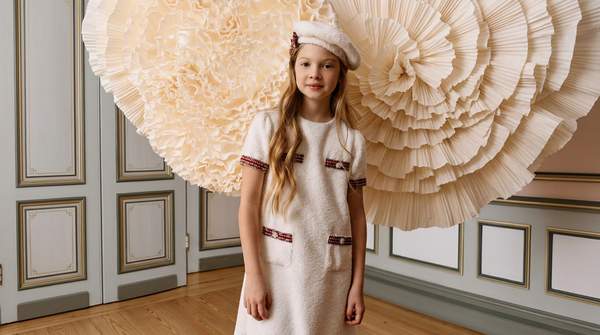

In a statement reported by SMU Daily Campus, Medina noted his specific areas of expertise. "I focus mainly on evening wear, bridal and couture," he said. This grounding in highly structured, formal garment creation provides a sophisticated framework for an Indie-inspired vision. The potential fusion of couture techniques—precision tailoring, hand-finishing, and luxurious fabrication—with a more free-spirited, personal aesthetic points to a collection that is both technically refined and expressively unique. It speaks to a modern client who seeks the quality and artistry of formalwear but desires a look that reflects a distinct personality beyond traditional conventions.

Heggar Clothing presented a collection with a sweeping historical scope. The showcase was conceived as a sartorial journey through time, beginning in the 1920s and progressing through the decades to the 1990s, as reported by SMU Daily Campus. This ambitious concept covers some of the most transformative periods in modern fashion history. The starting point, the 1920s, represents a radical break from the past, with the emergence of liberated, drop-waist silhouettes that redefined femininity. A collection that begins here immediately engages with themes of social change and stylistic revolution.

The reported progression to 1990s minimalism suggests a narrative of cyclical change, moving from one era of profound transformation to another. The minimalism of the 1990s was its own form of rebellion, a quiet rejection of the preceding decade's excess through clean lines, neutral palettes, and an emphasis on form and function. By bookending the collection with these two pivotal moments, Heggar Clothing appears to have explored the evolution of style not just as a series of trends, but as a reflection of broader cultural shifts over nearly a hundred years. This thematic depth offers a runway experience that is as much a historical commentary as it is a presentation of clothing.

Emerging designers and themes at Dallas Fashion Week

Beyond the headlining collections, Dallas Fashion Week also served as a platform for other notable designers, including Konvetti, Petite Maison, and Nataliya Nova. While specific details about their full collections were not widely reported, their inclusion in the official lineup points to the event's commitment to showcasing a diverse range of voices and aesthetics. The presence of Nataliya Nova as both a presenting designer and the event's CEO highlights the multifaceted, entrepreneurial spirit that often drives regional fashion movements, where key figures are deeply involved in both the creative and organizational aspects of the industry.

The event also touched upon contemporary concerns within the industry, such as sustainability, at least from the perspective of some attendees. A student's observation, shared with SMU Daily Campus, highlighted a personal connection to a brand based on its sustainable practices. "When I was doing my research, I connected with Estas because the founder has a degree in engineering," student Kathryn Forbes told the publication. "She uses that knowledge to implement sustainability in her fashion." While this is a singular viewpoint on one designer, it indicates that conversations around material innovation and responsible production are present within the Dallas fashion community, reflecting a broader, global shift in consumer and designer priorities.

What We Know About Next Steps

Dallas Fashion Week organizers have not announced future event dates or timelines for subsequent seasons. Information on next steps, including designer applications and upcoming showcase schedules, also remains unavailable. The industry awaits these future announcements, with current attention on the collections and designers presented during the March 24-26 event.