Your cluttered living room isn't just an eyesore; it's actively contributing to your cognitive overload, a state proven to diminish mental well-being and productivity. This constant influx of visual stimuli, from stacks of mail to overflowing shelves, taxes mental resources, leaving individuals feeling drained and unfocused. The pervasive stress associated with chaotic or overstimulating spaces directly impacts daily peace and overall emotional balance.
Many perceive minimalist design as stark and uninviting, fostering a sense of deprivation rather than comfort. This common misconception often deters individuals from exploring its potential. However, its core principles are proven to enhance mental well-being and reduce cognitive overload, offering a counter-narrative to the idea of cold, impersonal spaces.
Therefore, embracing thoughtful, minimalist design, particularly the 'warm' approach, appears to be a powerful, accessible strategy for cultivating a more serene and mentally restorative home environment.
Beyond Bare Walls: Defining Modern Minimalism
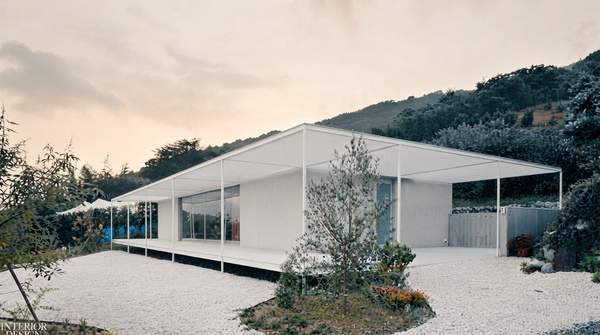
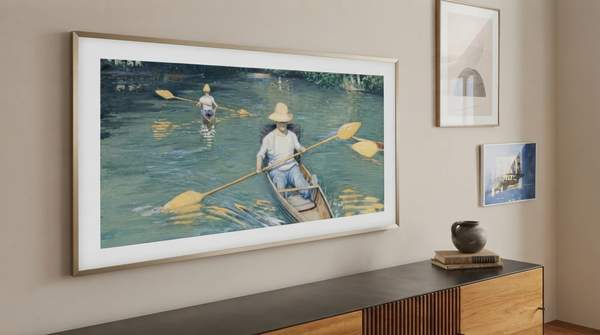
Warm minimalism, a nuanced evolution, prioritizes comfort, character, and visual calm without sacrificing clean lines, according to Suzie Anderson Home. It moves beyond austere aesthetics, integrating natural textures, soft lighting, and curated items. This approach redefines minimalism as intentional curation, not deprivation, creating inviting, functional spaces that are emotionally resonant. It offers a path to mental well-being, bridging aesthetic appeal with psychological benefit by fostering a sanctuary.
The Principles of Serene Spaces
Achieving a serene atmosphere with minimalist decor begins with a deliberate reduction of non-essential items. This decluttering process is fundamental, creating visual breathing room that allows the mind to relax. Each object remaining in the space is chosen for its function, beauty, or sentimental value, contributing meaningfully to the environment.
Intentional placement of furniture and decor further supports a calm environment. Spaces are arranged to facilitate ease of movement and highlight focal points, avoiding visual chaos. This thoughtful arrangement ensures that every element serves a purpose, preventing the accumulation of distracting elements.

A cohesive aesthetic, often achieved through a limited color palette and consistent material choices, reinforces the sense of tranquility. Natural materials like wood, wool, and linen add warmth and texture, softening the clean lines. By focusing on decluttering, intentional placement, and a cohesive aesthetic, minimalist design actively shapes a tranquil atmosphere that supports mental clarity.
Your Home, Your Mind: The Mental Benefits
Minimalist design and lifestyle can reduce cognitive overload, states a document from Scribd. This reduction stems from fewer distractions, allowing the brain to process information more efficiently and fostering greater focus. A less cluttered environment means less mental energy spent on sorting and organizing.
The same Scribd document also indicates that minimalist design and lifestyle can enhance mental well-being. This benefit arises from the increased sense of control and calm that an organized, intentional space provides. Reduced visual noise translates directly into reduced mental stress.
While Scribd suggests 'minimalist design' broadly enhances mental well-being, Suzie Anderson Home specifies 'warm minimalism' prioritizes comfort and character. This distinction suggests that specific approaches to minimalism are more effective for fostering well-being and broader adoption. The direct link between a thoughtfully minimalist environment and reduced cognitive burden highlights its power as a practical tool for achieving greater mental clarity and emotional balance.
Common Questions About Embracing Minimalism
What are the key elements of minimalist interior design?
Key elements include clean lines, open spaces, and a neutral color palette, often complemented by natural wood tones. Functionality is paramount, with each furniture piece serving a clear purpose, avoiding purely decorative items. Emphasizing natural light and simple forms creates an uncluttered, expansive feel.
How to create a serene atmosphere with minimalist decor?
To create serenity, focus on soft, ambient lighting rather than harsh overhead fixtures. Incorporate a few natural elements, like a simple plant or a stone sculpture, to add organic texture and life. Thoughtfully chosen textiles, such as linen curtains or a wool rug, can also introduce comfort and quiet.
What are the benefits of minimalist living?
Beyond aesthetics, minimalist living reduces consumerism, potentially leading to financial savings and less stress from excessive possessions. It promotes intentionality in purchases and daily routines, freeing up time and mental space for more meaningful activities. This approach fosters a greater appreciation for quality over quantity, enhancing overall life satisfaction.
Cultivating Calm: Your Path to a Serene Home
By 2026, the adoption of warm minimalist interior design principles for serene living is projected to continue its ascent, as individuals increasingly recognize its tangible benefits for mental clarity and domestic peace.