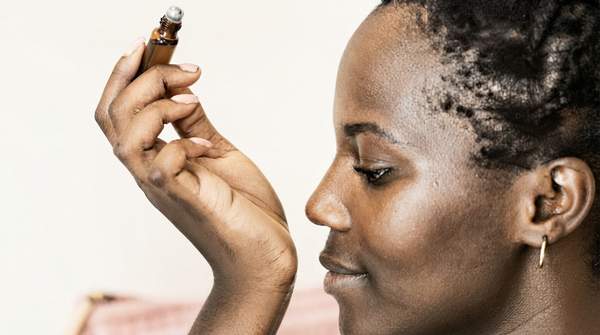
The creation of a personal, bespoke fragrance is an intimate form of self-expression, a scent that is uniquely yours. While the world of perfumery can seem complex, the path to developing a signature scent is accessible and can be tailored to your level of interest and commitment. Whether you are a curious novice or an aspiring creator, the journey can begin with simple combinations of existing perfumes or extend to the intricate art of blending raw materials from scratch.
Understanding the different approaches is the first step. From the immediate gratification of layering to the detailed process of building a scent note by note, each method offers a distinct experience. This guide provides a framework to help you choose your starting point, learn the fundamental language of scent, and set realistic expectations for your olfactory creations.
Your Personal Scent Creation Decision Framework
According to guidance from the perfumers at Experimental Perfume Club, there are several distinct routes one can take to create a personal fragrance, each suited to a different level of involvement. Choosing the right path depends on how hands-on you wish to be and what you hope to achieve.
Layering Existing Fragrances
The quickest way to a personal scent is by layering, a practice that involves combining two complementary, finished fragrances on the skin. This method allows for immediate experimentation and unique results without any specialized equipment. It is best suited for those looking for a simple and fast way to customize their scent. For the most successful combinations, perfumers suggest that minimalist fragrances often layer best, particularly when pairing a fresh top note with a deep, woody base.
Using a Guided Creation Set
For those who want a more hands-on experience at home, a creation set offers a structured introduction to blending. These kits typically provide a curated selection of fragrance ingredients, or "Essentials," designed to work well together, along with tools like pipettes, a blending bottle, and a formula guide. This approach is ideal for beginners who are eager to learn about scent composition and mix a unique fragrance that is balanced and harmonious, without the overwhelming complexity of starting with a full range of raw materials.
Blending from Scratch
The most involved and customizable route is to build a fragrance from individual raw materials. This path is for the "committed beginner-perfumer" who is ready to delve deeper into the craft. It involves working with a perfumer’s handbook and a wider array of ingredients to construct a scent from the ground up. While it requires more dedication and learning, it offers the greatest degree of creative control over the final product.
Understanding the Language of Scent: Olfactive Families
Before you can create, you must be able to articulate your preferences. In perfumery, scents are organized into olfactive families, which are classifications based on their dominant characteristics and mood. As writer Mariana Shalbaf explains, understanding these families is the most direct way to identify scents that align with your personal style. Learning this language enables you to appreciate the nuances between fragrances and better define what you want in your own creation.
While the system includes several categories, a few primary families provide a strong foundation for any beginner:
-
Floral: As the name suggests, this family is defined by the essence of flowers. It is one of the most traditional and widely used categories in perfumery, encompassing scents from a single flower to a complex bouquet.
-
Amber: This family is characterized by its rich, warm, and often exotic qualities. It features notes of vanilla, resins, and spices, creating scents that are opulent and sensual.
-
Woody: These fragrances are built around notes derived from woods and mosses. They often form the deep, grounding base of a perfume, providing structure and elegance.
-
Fresh: This broad category includes invigorating citrus, aquatic, and green notes. These scents are typically bright and clean, often used as top notes that provide the initial impression of a fragrance.
Navigating Expectations: Natural Ingredients, Scent Profile, and Longevity
When creating a bespoke fragrance, it is crucial to understand the possibilities and limitations of the materials you work with. Perfumer Karen Gilbert emphasizes that a key part of the process is managing expectations, particularly when it comes to the performance of natural ingredients. Clients and creators alike must be educated on what is and is not achievable.
A common challenge arises when a specific scent profile is desired alongside a preference for all-natural materials. Gilbert provides a clear example: if someone wants a "light, transparent watery floral that is long lasting" but insists on using only natural ingredients, they will likely be disappointed. Certain light and airy notes, especially in their natural form, are inherently volatile and may not possess the longevity of their synthetic counterparts or of heavier, richer ingredients. This trade-off between the source of an ingredient, its scent character, and its performance is a fundamental consideration in the art of perfumery.
Embarking on Your Olfactory Adventure
The journey into personal fragrance creation is a scalable endeavor that can be adapted to your curiosity and ambition. The most effective way to begin is by honestly assessing your goals. If your aim is a quick and unique twist on scents you already love, layering offers an immediate and satisfying result. If you are drawn to the process of blending and wish to learn about composition in a guided environment, a creation set is an excellent and accessible starting point.
Ultimately, the right path is the one that aligns with your current commitment level and desired learning curve. The measure of success is not the complexity of the formula but the personal connection you feel to the final product. A successful outcome is creating a personalized scent, even a simple layered combination, that you enjoy wearing and that reflects your preferences.
Sources
- How to make your bespoke perfume — Experimental Perfume Club
- The Art of Scent: Exploring the Olfactive Families — Mind Games Fragrance
- Creating Bespoke Fragrances — Karen Gilbert - Online Perfume School