Old Atlanta Dream jerseys, upcycled into $275 purses by Monarch Commerce, sold out instantly. An immediate sell-out of Old Atlanta Dream jerseys upcycled into $275 purses by Monarch Commerce signals a new era of fan engagement in women's sports, moving beyond traditional fan apparel to embrace high-value lifestyle products. It confirms a clear demand for merchandise that integrates fashion with team loyalty.
Traditional sports marketing often prioritizes broadcast viewership and ticket sales. However, in women's sports, merchandise and lifestyle products are driving even greater fan engagement and revenue. The divergence of merchandise and lifestyle products driving greater fan engagement and revenue in women's sports challenges conventional sports investment models, requiring brands to recognize distinct consumer behavior in this expanding market.
Companies that innovate beyond broadcast rights and embrace direct-to-consumer lifestyle products will likely dominate the rapidly expanding women's sports market. Companies that innovate beyond broadcast rights and embrace direct-to-consumer lifestyle products secure lasting consumer loyalty by capitalizing on a fanbase willing to pay a premium for authentic, everyday-wearable items. It reveals a deeper connection between fans and their teams through personal style.
Fans Are Buying In: Beyond the Game
- 70% of women's sports fans bought merchandise, while 51% bought event tickets, per Sports Business Journal, citing Genius Sports data. Merchandise serves as a more significant entry point for fan loyalty than direct event attendance.
- Nearly 300,000 fans attended the 2025 Women's Cricket World Cup, a new record for women's cricket, according to Deloitte Wsj. Nearly 300,000 fans attended the 2025 Women's Cricket World Cup, a new record for women's cricket, according to Deloitte Wsj, confirming growing interest in live women's sporting events.
- The 2025 Women's Rugby World Cup sold 440,000 tickets, a threefold increase from the previous tournament, also reported by deloitte.wsj.com. The 2025 Women's Rugby World Cup sold 440,000 tickets, a threefold increase from the previous tournament, also reported by deloitte.wsj.com, confirming a clear appetite for experiencing women's sports in person.
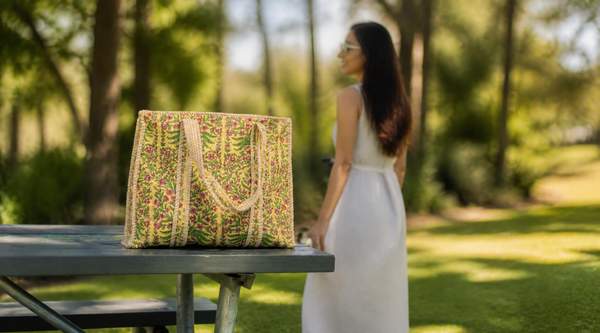
The data from Sports Business Journal, Genius Sports, Deloitte Wsj, and deloitte.wsj.com reveals a highly engaged fanbase, willing to spend on teams and athletes. The disparity between merchandise purchases and ticket sales suggests fans prioritize lifestyle products as a primary form of engagement. The immediate sell-out of $275 upcycled Atlanta Dream purses by Monarch Commerce, combined with Gen Z's demand for unique, everyday-wearable items, confirms that women's sports fans will pay a premium for authentic, limited-edition lifestyle products, moving beyond cheap fan apparel. The immediate sell-out of $275 upcycled Atlanta Dream purses by Monarch Commerce, combined with Gen Z's demand for unique, everyday-wearable items, confirms that women's sports fans will pay a premium for authentic, limited-edition lifestyle products, moving beyond cheap fan apparel, implying that brands must shift focus from traditional game-day gear to fashion-integrated collections to capture this lucrative market segment.
The Merchandise Advantage: How Brands Are Winning
The Washington Spirit's 'Spirit in Bloom' collection, redesigning team jerseys, doubled year-over-year jersey sales, per Sports Business Journal. The Washington Spirit's 'Spirit in Bloom' collection, redesigning team jerseys, doubled year-over-year jersey sales, per Sports Business Journal, confirming that innovative product design, moving beyond traditional athletic wear, directly increases revenue and fan enthusiasm. Brands achieve significant success by tailoring products to the specific preferences and values of women's sports fans.
Gen Z, Black, and Hispanic fans show the highest interest in lifestyle and limited-edition merchandise. Price and everyday wearability are key factors, according to Sports Business Journal. Gen Z, Black, and Hispanic fans show the highest interest in lifestyle and limited-edition merchandise, with price and everyday wearability as key factors, according to Sports Business Journal, presenting a crucial opportunity for brands to tailor their offerings. Products blending fashion, quality, and versatility appeal to these key consumer segments, fostering deeper loyalty. Brands failing to court the distinct preferences of Gen Z, Black, and Hispanic fans for lifestyle merchandise will miss the most explosive growth sector in sports. The implication is clear: inclusive design and marketing are not just ethical, but essential for market dominance.
A Market on the Cusp of Billions
The women's elite global sports market projects a 340% increase since 2022, according to Deloitte. The women's elite global sports market projects a 340% increase since 2022, according to Deloitte, signaling a significant economic shift within the broader sports industry. The market's rapidly expanding value attracts new investment and commercial interest.
BofA Global Research expects over 250% revenue growth in U.S. women's sports, per the Institute for Women's Policy Research. BofA Global Research expects over 250% revenue growth in U.S. women's sports, per the Institute for Women's Policy Research, confirming a massive, untapped economic opportunity now being realized. The expected over 250% revenue growth in U.S. women's sports attracts serious institutional investment and points to a long-term growth trajectory for the sector. Combined with Genius Sports data showing 70% of fans buy merchandise versus 51% buying tickets, brands failing to prioritize lifestyle-integrated products over traditional game-day gear in women's sports are missing the primary engagement channel for a rapidly growing fanbase. Combined with Genius Sports data showing 70% of fans buy merchandise versus 51% buying tickets, brands failing to prioritize lifestyle-integrated products over traditional game-day gear in women's sports are missing the primary engagement channel for a rapidly growing fanbase, suggesting that the financial upside for early movers in lifestyle merchandise is substantial, far outweighing traditional sponsorship models.
The Loyalty Dividend: Why Brands Should Act Now
Brands supporting women's sports gain increased loyalty; 37% of consumers will actively purchase from such brands, per Quirk's. Brands supporting women's sports gain increased loyalty; 37% of consumers will actively purchase from such brands, per Quirk's, confirming a direct link between brand alignment with women's sports and enhanced customer preference. Investing in women's sports cultivates deep consumer loyalty, translating into long-term brand value and a competitive advantage, beyond mere market share capture.
The loyalty cultivated by investing in women's sports extends beyond purchasing, fostering stronger emotional connections. Companies authentically engaging with women's sports build enduring relationships with a dedicated, growing fanbase. Companies authentically engaging with women's sports build enduring relationships with a dedicated, growing fanbase, securing future revenue streams and bolstering brand reputation among key demographics, creating a formidable barrier to entry for competitors.
If brands continue to prioritize authentic, lifestyle-integrated merchandise and direct fan engagement, the women's sports market appears poised for sustained exponential growth and unparalleled consumer loyalty.