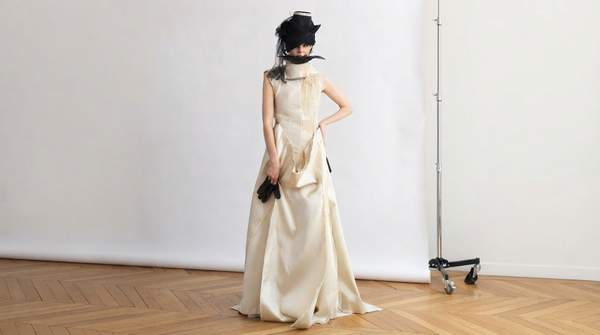
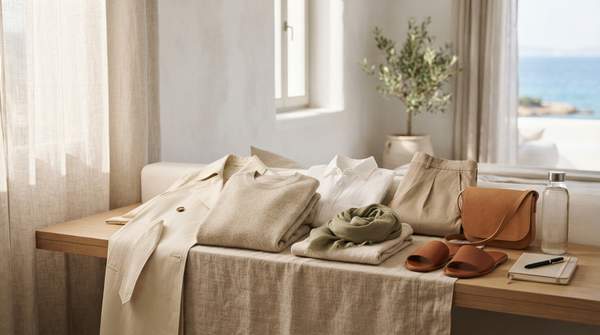
Instead of a simple sketch, a high-end fashion collection emerges from a simultaneous whirlwind of fabric choices, embroidery ideas, and pattern corrections, often reacting directly to the previous season's aesthetic. This intricate process, crucial for a successful runway presentation in 2026, demands a designer's full engagement with tactile elements and evolving concepts. The extensive scope and constant evolution are required to bring a vision to life.
Many perceive fashion collection development as a linear progression from sketch to garment, but it is a highly iterative, simultaneous, and reactive creative process. This common misconception overlooks the constant feedback loops and concurrent activities defining true high-fashion creation, underestimating its complexity and iterative nature.
Designers who master this fluid, multi-faceted approach are more likely to create cohesive and impactful runway collections that resonate with evolving trends and consumer desires. The fashion industry's reliance on a linear narrative for collection launches fundamentally misrepresents the true artistry involved, obscuring the simultaneous, iterative dance between materials, accessories, and evolving aesthetics.
Building a fashion collection involves a deeply tactile and iterative craft, far beyond simple conceptualization. Designers consistently work on fabrics, trims, embroideries, sketching, and correcting patterns and muslins, as detailed by Masterclass. The foundational work shows that the final garment is merely one component of a meticulously crafted lifestyle vision.
Beyond the Linear: A Creative Whirlwind
The process of developing a collection is not linear; instead, activities like working on fabrics, colors, embroidery ideas, and research happen simultaneously, according to Masterclass. Successful collection creation demands a designer's ability to juggle multiple creative threads at once, rather than following a rigid checklist.
A single design decision, such as a fabric choice or an embroidery idea, can ripple through and redefine the entire collection's aesthetic, from garments to sunglasses, in real-time. This contradicts the common perception that fashion design is a linear process from sketch to garment, implying the public's understanding of high-fashion creation is fundamentally flawed.
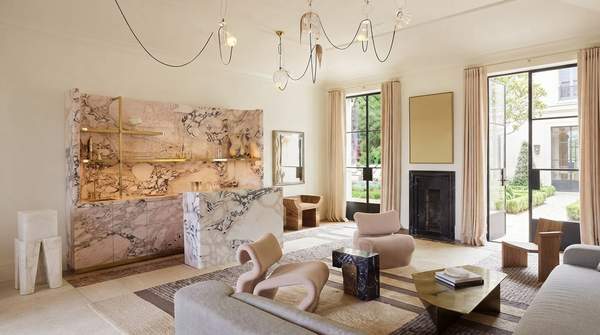
The creative direction of a new collection is often defined by actively reacting against the previous season's aesthetic, rather than solely by a fresh, independent vision. A continuous dialogue within a brand's evolving identity, where fluidity and iterative refinement are paramount.
The Iterative Evolution of Aesthetic
Collections are often developed by discussing and reacting against the previous season's aesthetic, for example, moving from dark colors to lighter ones, according to Masterclass. Fashion is a continuous dialogue, with each collection building upon or consciously diverging from its predecessors to maintain relevance.
The true 'design' of a high-end collection extends far beyond the clothing itself, encompassing an entire curated world. This world includes accessories like shoes, handbags, and jewelry, which are integral rather than merely complementary.
High-end fashion collections are not born from a singular, static vision but evolve through constant, reactive feedback loops. This often results in a deliberate counter-movement to the previous season's aesthetic, shaping the brand's continuous identity.
Embracing Unexpected Discoveries
Fittings can trigger new ideas and explorations during the collection development process, as stated by Masterclass. Even late-stage adjustments are not failures but crucial opportunities for creative breakthroughs, emphasizing the fluid nature of design.
The traditional 'sketch' is a misleading representation of the creative process, as significant design breakthroughs occur through the simultaneous manipulation of materials and iterative feedback from fittings. This process is far more dynamic than an initial drawing might suggest.
The notion of a 'final design' in high fashion is a myth; the continuous feedback loop from fittings and even past collections means the creative process is perpetually in flux, demanding an agile and fluid approach from designers. This constant evolution prevents stagnation and rigid adherence to initial concepts.
Defining a Complete Runway Vision
What are the key elements of a successful fashion collection?
A truly successful high-end fashion collection extends beyond just apparel. It integrates knitwear, handbags, shoes, sunglasses, and jewelry, forming a cohesive lifestyle vision, according to Masterclass. These elements ensure a complete aesthetic for runway presentations.
The Holistic Craft of High Fashion
Ultimately, creating a high-end fashion collection demands a designer's mastery of a fluid, multi-faceted process that integrates every element of a lifestyle vision, from initial concept to final accessory. The holistic nature of collection development, combined with its non-linearity, means that every choice influences the entire aesthetic.
Brands that fail to integrate accessories and lifestyle elements from the earliest stages of design are not just missing sales opportunities; they are failing to create a truly cohesive and compelling high-end vision, as the collection is only complete with these additions. This comprehensive perspective is vital for runway success.
For designers aiming for runway success in 2026, the focus must remain on this continuous evolution of aesthetic and the simultaneous orchestration of fabrics, accessories, and lifestyle elements. By the close of 2026, brands that embrace this iterative, comprehensive vision will likely define the most influential runway narratives.