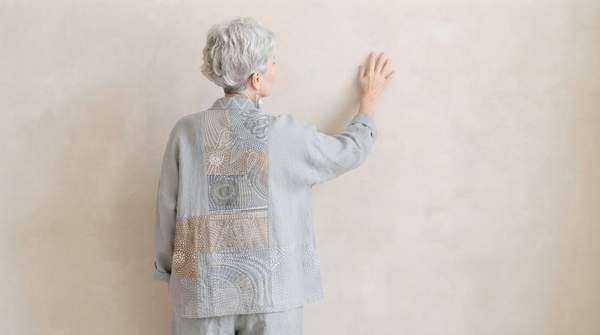
For Fall 2026, designers have already cemented a palette of ten dominant hues, including warm terracotta and fuchsia, more than two years before the season officially arrives. This detailed color declaration, showcased during NYFW, also includes cool blue tones, according to Marie Claire. This early color consensus reveals designers' intent to guide consumer preferences far in advance.
Yet, specific fashion trends for Fall 2026 are already declared, though the season remains distant. This creates a planning challenge for consumers and retailers alike. Consumers who adopt these early elements now gain an advantage, while retailers must align production cycles years ahead. Such premature declarations risk an artificial, accelerated trend cycle.
What Styles Will Be Popular in Fall 2026?
- Funnel-neck jackets, according to Global News.
- Dark-wash denim.
- Suede boots.
These specific garment types, paired with the detailed color palette, reveal an unprecedented level of prescriptive forecasting. A strategic shift towards a controlled, top-down industry model, where trends are manufactured, not discovered, is evident in the pre-definition of Fall 2026 fashion, spanning colors and silhouettes.
Why Are Fashion Trends Declared So Early?
The simultaneous declaration of specific colors by Marie Claire and distinct garment types by Global News for Fall 2026, over two years in advance, shows an industry dictating a complete aesthetic. This aggressive pre-definition moves beyond prediction; it manufactures trends. Designers and media appear to craft desires rather than respond to them, risking a disconnect between industry offerings and actual market demand. This rush to declare trends so early creates an artificial, accelerated cycle, potentially exhausting consumers and retailers before the season even begins.
How Do Early Trends Affect Shoppers and Retailers?
The sheer volume of specific trends—ten hues, funnel-neck jackets—pushed so far ahead, accelerates the trend cycle. This invites rapid consumer fatigue and increases inventory risk for retailers. Designers, by cementing a palette years out, dictate future choices. This stifles organic style and individual expression, pressuring consumers into predetermined aesthetics. While savvy consumers can plan wardrobes strategically, brands face the challenge of maintaining relevance over an extended period. Slow adaptation risks market share and consumer connection.